


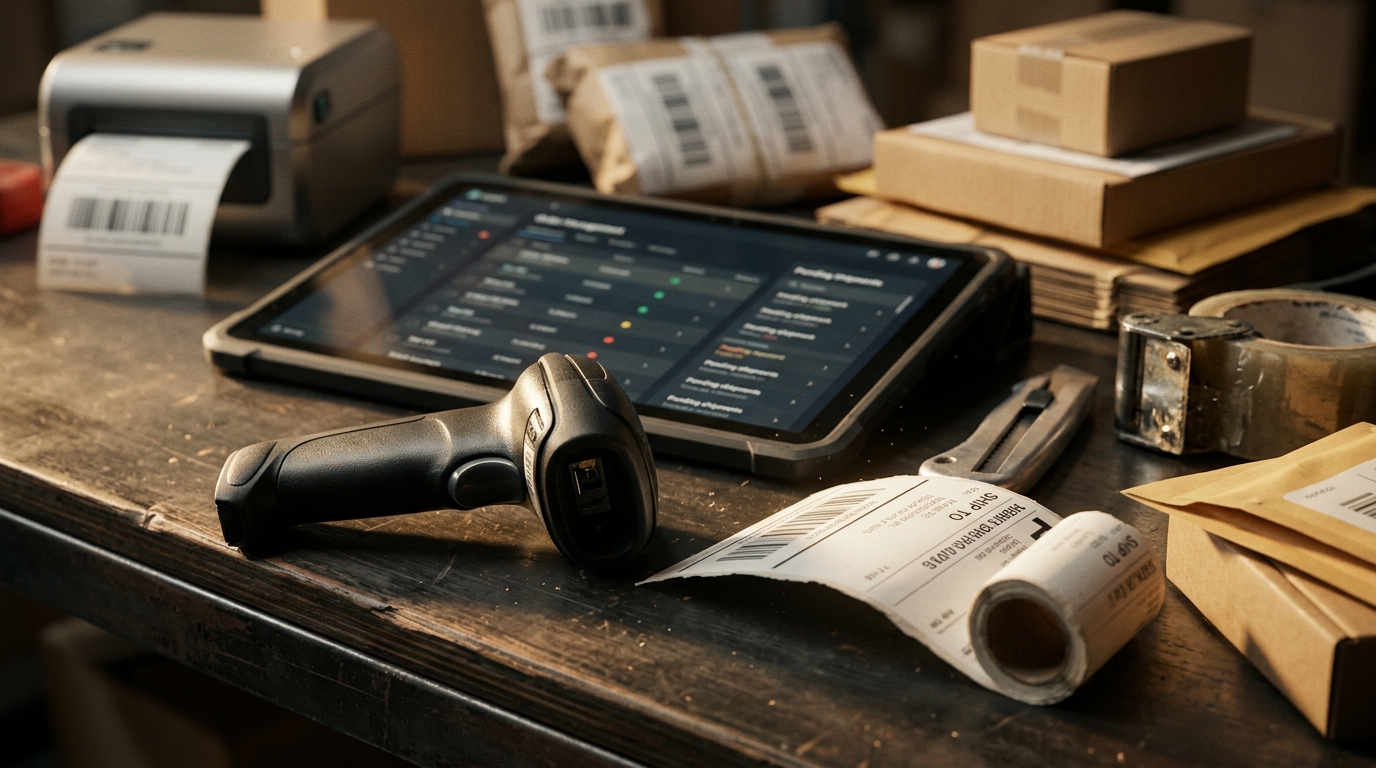







A growing seller may check Amazon, Shopify, Walmart, eBay, and spreadsheet reports, then still struggle to answer one question: what changed today? Implementing what is multi channel sales tracking establishes the practice of collecting and comparing sales activity across more than one channel so teams can see where revenue comes from, how products perform, and what requires action.
The goal is not a larger report. It is a decision-ready view of orders, refunds, channel results, and selling pace.

What Multi Channel Sales Tracking Actually Measures
In daily operations, what is multi channel sales tracking? It delivers an operating view of sales across connected marketplaces, storefronts, and other selling locations. It brings together the records that explain revenue movement, including order count, units sold, refunds, product performance, and selling pace.
A useful tracking process does more than add up channel revenue. It lets sellers compare sales volume, return exposure, and contribution before moving inventory, changing prices, or increasing promotion.
Build the View From Three Layers of Evidence
Sales totals become useful when the team can trace a broad number to the record that caused it. Review results from transaction activity to channel performance, then to individual SKUs.
The three layers below show where a change occurred and what to investigate next.
Transaction Layer: What Happened Today?
Start with completed orders, units, cancellations, refunds, and average order value. This layer shows whether movement came from more orders, larger baskets, canceled transactions, or a one-time spike.
It also flags sales that remain at risk, such as orders on hold or refunds not yet reflected in revenue.
Channel Layer: Where Did It Happen?
Compare performance by marketplace, storefront, region, or sales source. A channel can deliver high revenue while creating weak margin, high returns, or a heavier support burden.
A cross-channel sales-performance view helps teams compare activity without checking separate seller accounts and payout reports.
Product Layer: Which SKU Caused the Change?
Product-level tracking shows whether a result comes from top-selling SKUs, a new variation, a bundle, or a slow decline across the catalog.
When one product drives growth, review its availability, selling pace, return reasons, and cost position before treating the entire channel as healthy.
Six Views That Should Trigger a Decision
What is multi channel sales tracking useful for when a team already has sales reports? It creates views that point to a next move rather than a vague discussion about performance.
- Daily sales velocity: Compare units and revenue with a recent baseline.
- Channel contribution: Review where sales are coming from before shifting stock or promotion.
- SKU concentration: Check whether a few items now carry most revenue.
- Refund-adjusted revenue: Account for cancellations and returns before calling growth real.
- Average order value: Look for basket changes tied to bundles, pricing, or promotion.
- Sales versus availability: Compare demand with units that can actually be promised.
A live availability pressure check matters when a high-performing SKU is listed on several storefronts. Increased demand only helps when stock, fulfillment capacity, and the delivery promise can support it.
Diagnose a Change Before You React
Sales tracking should help a team explain a movement before changing prices, advertising, or inventory allocation. Use the same diagnostic order so short-term changes do not trigger random action.
First confirm the result after cancellations and refunds. Then identify the channel, product, date range, and operational event connected to the movement.
When Sales Fall
Check availability, listing status, price, delivery promise, and return behavior. A decline may come from a stockout, suppressed listing, lost featured offer, or product variation that no longer matches buyer expectations.
Do not assume every decline needs a discount. Confirm whether the issue is demand, visibility, inventory, or post-purchase friction.
When Sales Rise
Confirm what created the increase and whether it is sustainable. A promotion, seasonal event, or competitor stockout can lift sales temporarily and should not automatically trigger a large replenishment order.
Review where the product is selling and how quickly units are being committed.
When One Channel Improves but Total Sales Do Not
Sales may be shifting between channels rather than creating new demand. Compare price, promotion, availability, and buyer segments before calling the stronger channel a net gain.
A net sales-and-margin comparison helps teams account for fees, shipping, advertising, refunds, and product costs alongside revenue.
Set a Review Rhythm That Fits the Decision
What is multi channel sales tracking without a review routine? It becomes a dashboard opened after a problem has already grown. Different decisions need different time horizons.
| Review rhythm | Main purpose | Decisions it should support |
|---|---|---|
| Daily | Spot sudden demand, stock, order, or refund changes | Allocation, listing checks, fulfillment follow-up |
| Weekly | Compare channel and SKU patterns | Replenishment, pricing, promotion, and catalog actions |
| Monthly | Review sales quality and margin trends | Channel investment and operating priorities |
Record the action, owner, and expected result after each review. This turns tracking into an operating habit rather than passive reporting.
Avoid These Sales Tracking Mistakes
Do not combine gross revenue from every channel and call it performance. Do not judge a product only by unit volume when returns, fees, or shipping erode the result. Do not compare a weekend promotion with an ordinary weekday without accounting for the event.
Also avoid tracking sales without checking availability. A strong report cannot protect revenue when the product is already out of stock, oversold, or unable to meet its delivery promise.

Conclusion: Turn Sales Records Into Better Decisions
Stripped of passive reporting, what is multi channel sales tracking provides a structured way to see how each channel, product, order, and refund contributes to the sales result, then decide what deserves stock, attention, or correction.
Crazy Vendor helps sellers consolidate sales activity, inventory, orders, shipping, fulfillment, customer support, and profit data so multi channel sales decisions are based on a clearer operating picture.