



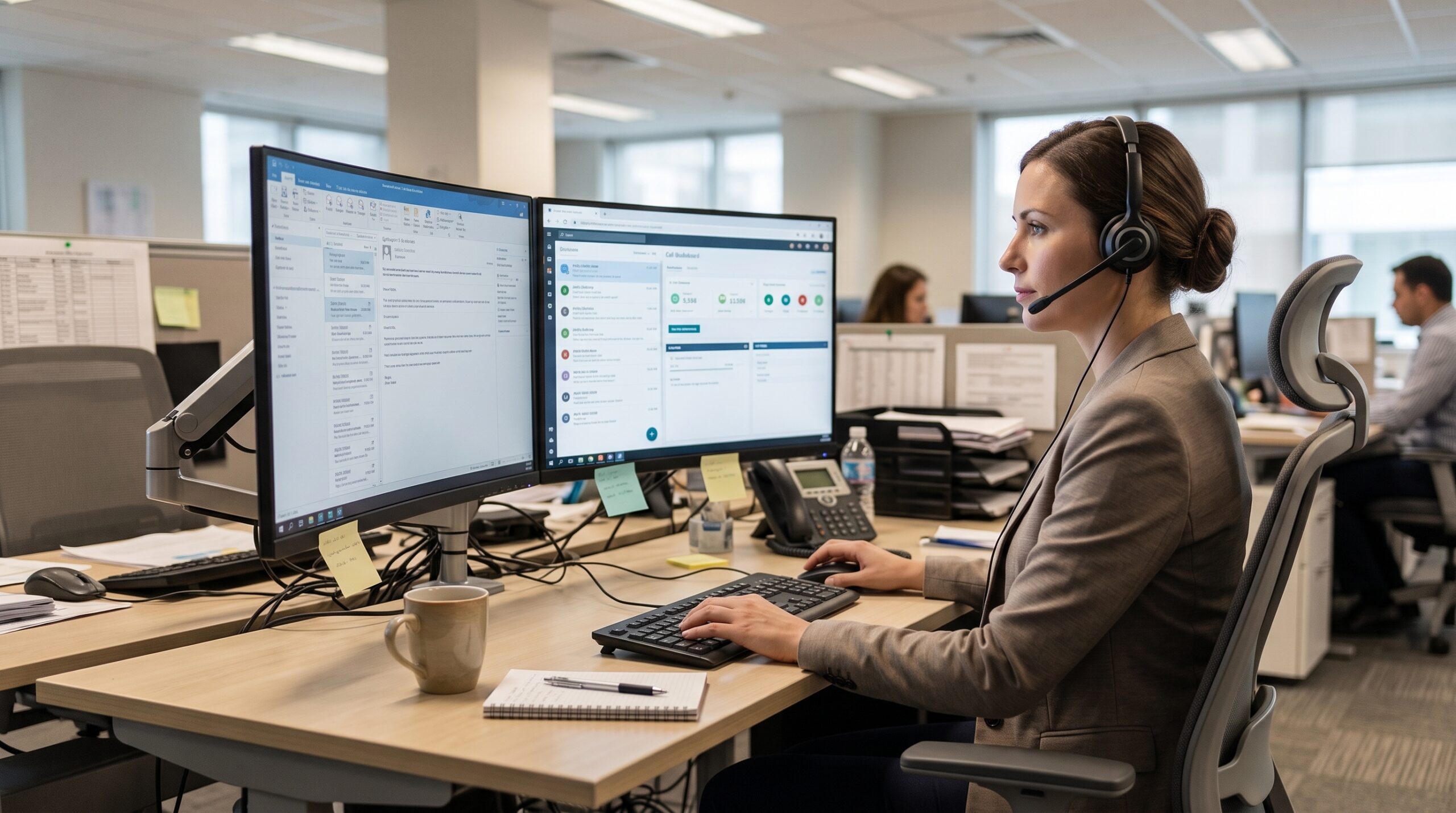

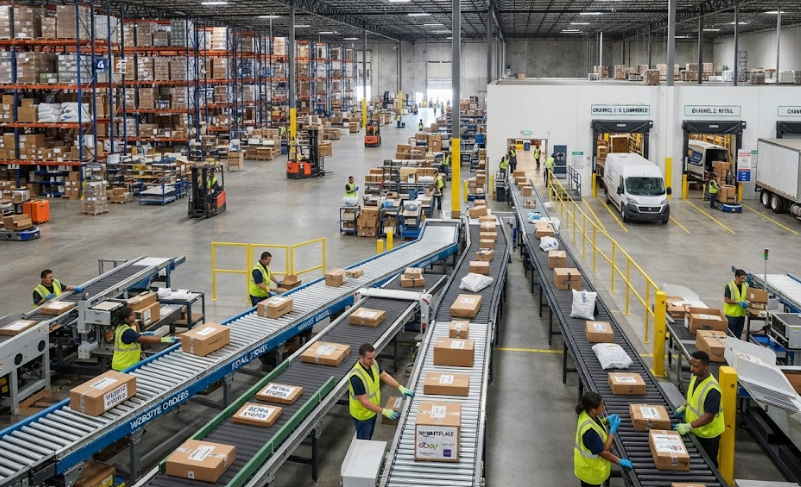
A sale is not complete at checkout. The right item still has to leave the right fulfillment source, meet the promised delivery date, and remain visible to the customer after dispatch. What is multi-channel fulfillment? It is the process of fulfilling orders from two or more sales channels while coordinating inventory, picking, packing, shipping, tracking, and returns.
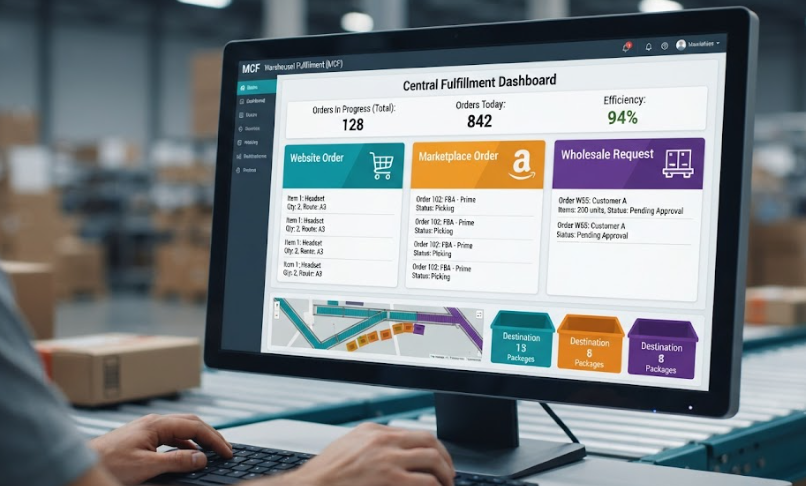
A website order, marketplace order, or wholesale request can follow different rules while moving through one controlled operating process.
What Is Multi-Channel Fulfillment?
It connects orders from storefronts and marketplaces to the warehouse, 3PL, or marketplace program that can complete them. Order fulfillment includes processing, delivery, and order management after purchase.
For sellers, it is more than printing labels from several dashboards. The workflow includes validation, stock reservation, source selection, dispatch, tracking, and a documented decision for returned inventory.
Follow the Order Journey Before Choosing a Tool
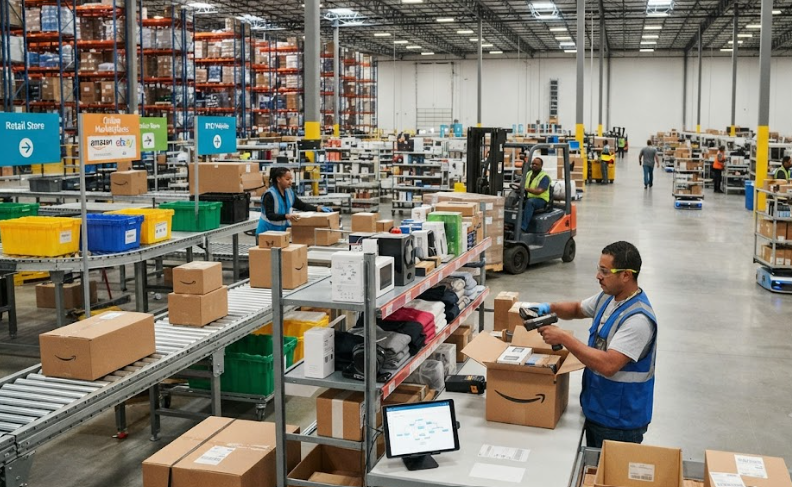
A useful way to understand what is multi-channel fulfillment is to follow one order from checkout to delivery. Every stage affects customer experience, stock availability, and shipping cost.
| Order stage | Decision to make | Operational risk |
|---|---|---|
| Order intake | Is payment, address, SKU, and channel data valid? | Holds, address errors, duplicate orders |
| Stock reservation | Which units are now committed? | Overselling or allocating stock twice |
| Source selection | Which location or partner should fulfill it? | Late dispatch or excessive shipping cost |
| Dispatch | Can it leave before the cut-off? | Missed ship-by dates |
| Delivery and return | How will tracking and returns be handled? | Customer uncertainty and delayed restocks |
Make Routing Decisions Before the Packing Bench
Knowing what is multi-channel fulfillment means setting routing logic before an order reaches the warehouse. The best route is the source that can meet the channel rule and delivery promise without creating avoidable work later.
Reserve Stock Before You Commit It
The same SKU may sit in an in-house warehouse, a 3PL site, or a marketplace program. Fulfillment stock allocation helps teams account for available units, safety buffers, open orders, and location-level stock before assigning a source.
Route by the Promise, Not Just the Postal Code
Distance is only one routing factor. Cut-off times, pick capacity, product restrictions, and marketplace rules can change the best source for the same destination.
Use order-routing rules to assign orders by SKU, channel, region, or service commitment. Add fallback steps for stock shortages, service interruptions, and missed carrier collections.
Keep Customers Updated After Dispatch
What is multi-channel fulfillment worth if tracking sits in a warehouse system while the selling channel still shows the order as unshipped? Dispatch confirmation needs to return to the storefront where the order originated.
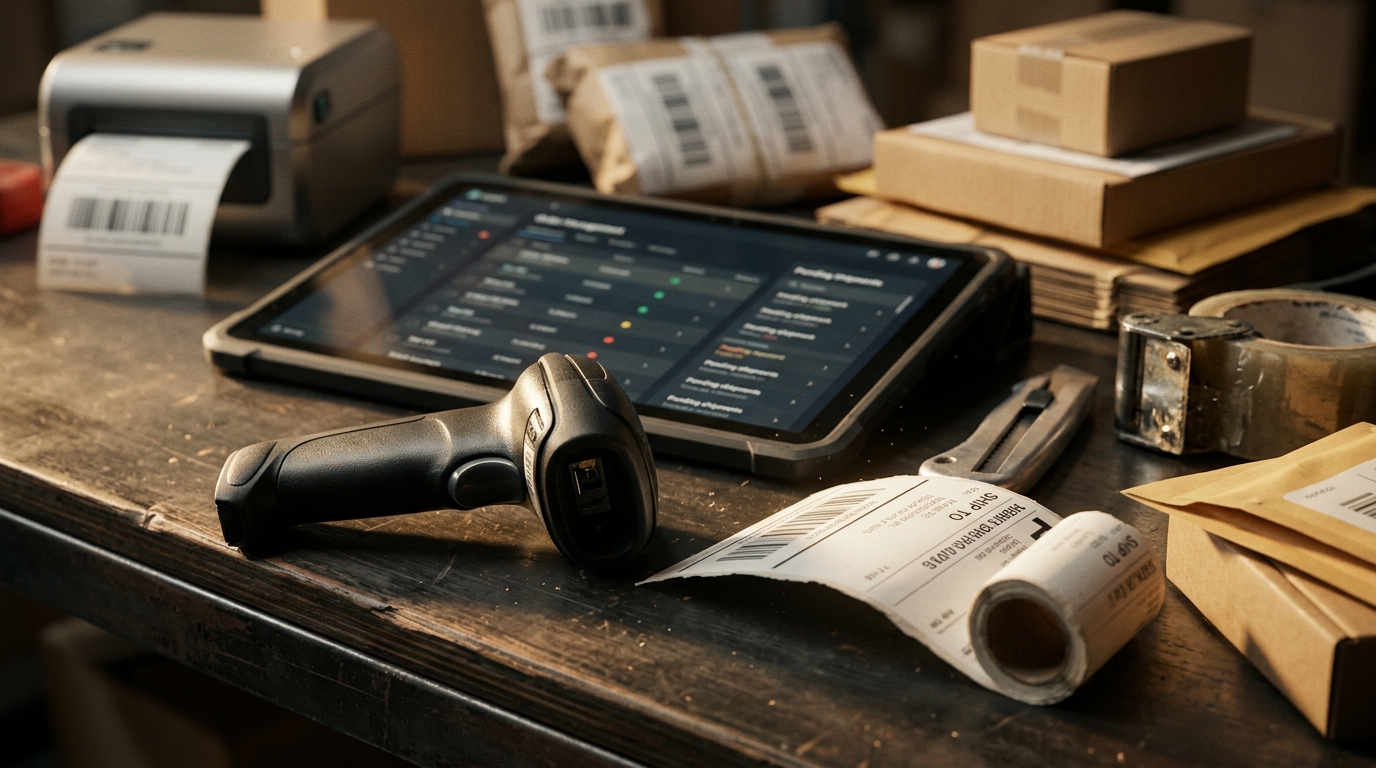
Shipping-status coordination helps keep labels, carrier details, and tracking updates aligned across active sales channels.
Choose the Right Fulfillment Model for Each Channel
A growing seller can combine an in-house warehouse, marketplace programs, and a third-party logistics provider. The right setup depends on product handling, order volume, geography, marketplace rules, and control over the buyer experience.
| Fulfillment model | Best suited to | Main control point |
|---|---|---|
| In-house warehouse | Specialized items or branded packaging | Labor capacity and pick accuracy |
| 3PL partner | Variable volume or regional coverage | Service levels and return handling |
| Marketplace program | Orders with strict marketplace expectations | Fees, channel rules, and stock allocation |
| Hybrid network | Several channel and region combinations | Routing consistency and exception ownership |
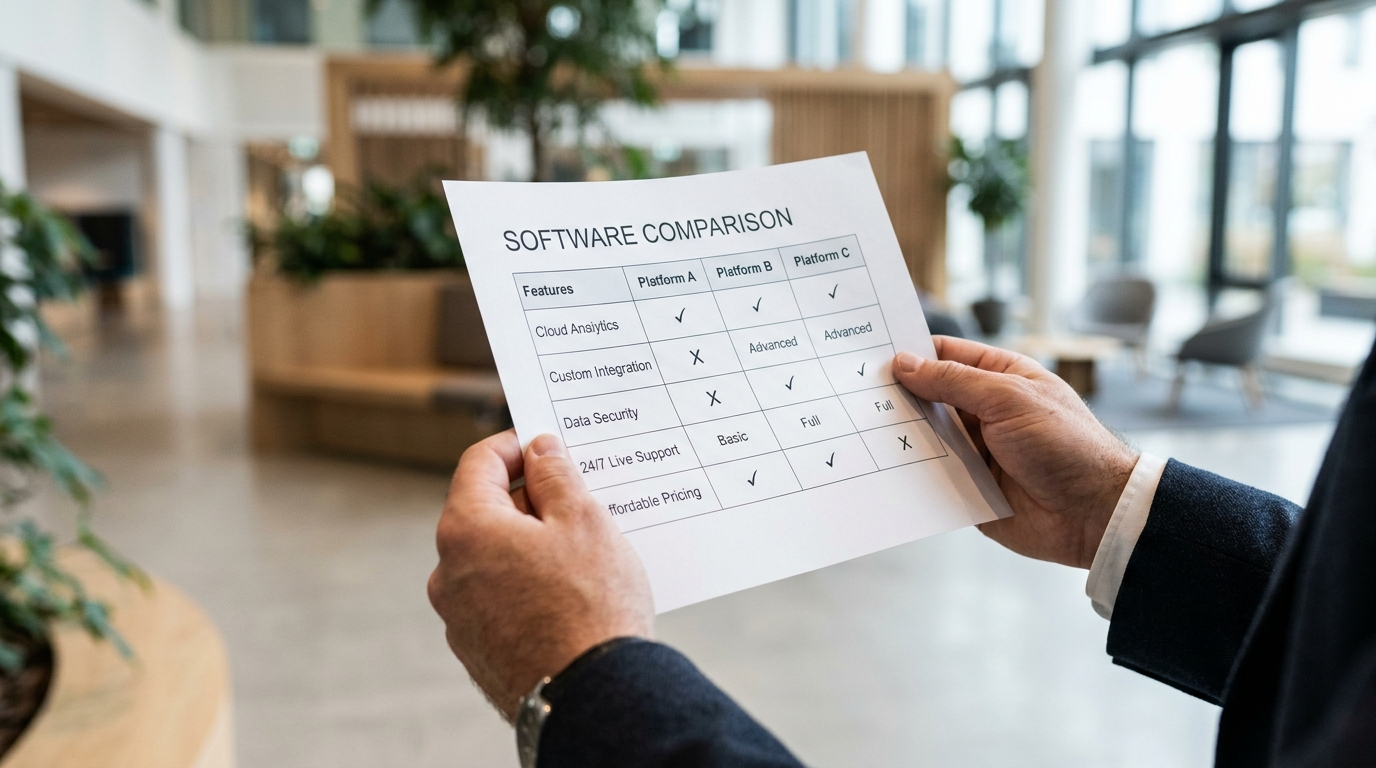
For sellers assessing what is multi-channel fulfillment across a larger operation, a hybrid setup can be practical. Use clear rules for which channel, product, and destination should use each source.
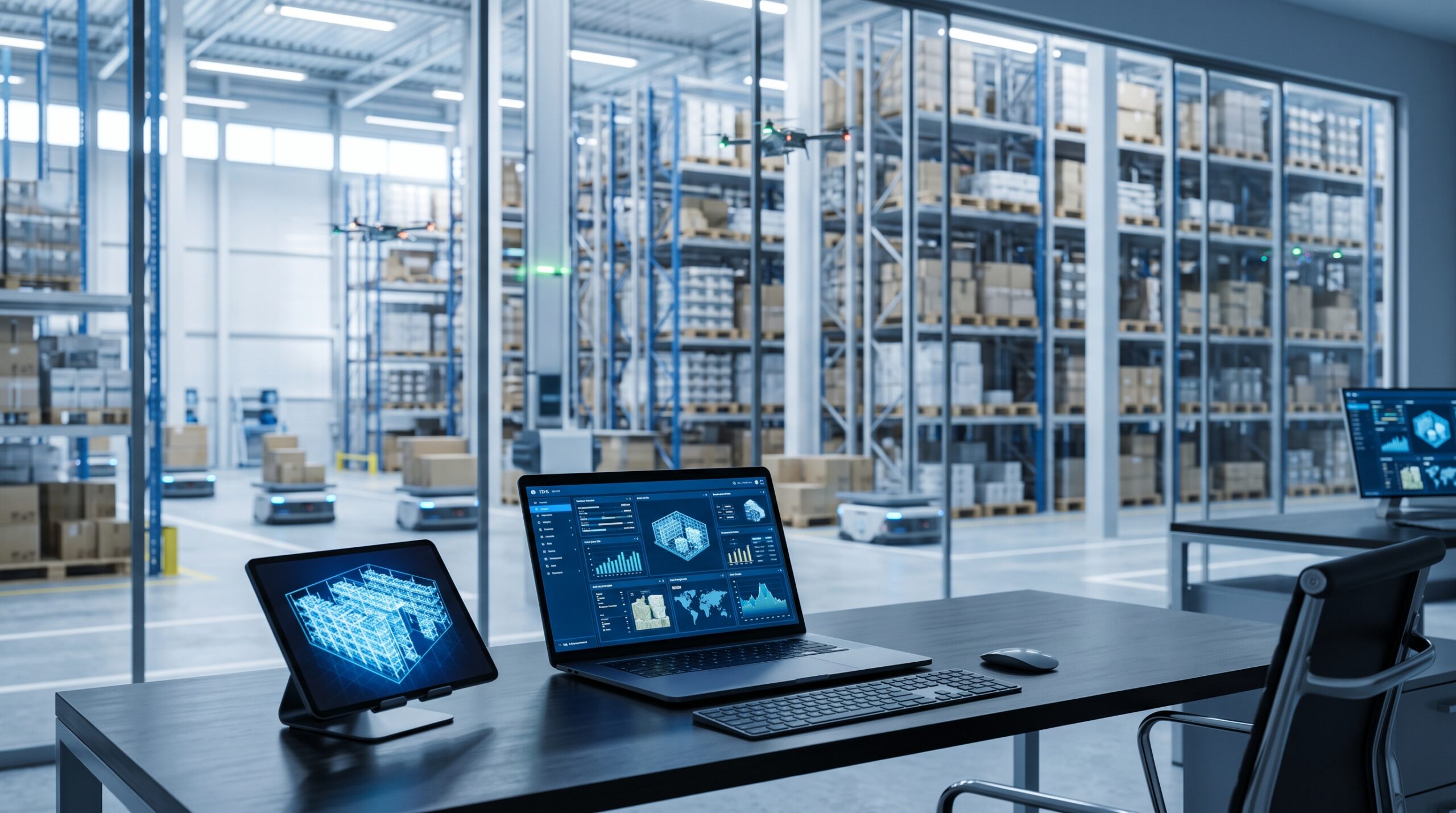
A connected fulfillment network can coordinate in-house warehouses, 3PLs, and marketplace programs while keeping stock and tracking activity connected.
Design an Exception Path Before Problems Happen
A complete multi channel fulfillment process is defined by what happens when the preferred route fails. Stockouts, split orders, damaged returns, and delayed carrier scans need documented responses.
Split Orders Without Creating Confusion
Do not split an order simply because stock exists in two locations. Compare the extra parcel cost, delivery timing, customer communication, and returns complexity before deciding whether two parcels are worthwhile.
Treat Returns as a Controlled Inventory Event
A returned item is not automatically available to sell. Inspect it, classify its condition, and decide whether it should be restocked, quarantined, repaired, or written off before releasing it back to available inventory.
Use Metrics to Find Weak Fulfillment Decisions
To see whether what is multi-channel fulfillment is working, review measures that expose failures in routing, inventory, and delivery commitments.
| Metric | What it may reveal |
|---|---|
| On-time dispatch rate | Cut-off, capacity, or source-selection problems |
| Split-shipment rate | Fragmented stock allocation |
| Reroute rate | Preferred sources cannot meet the promise |
| Cost per fulfilled order | Carrier, packaging, or routing inefficiency |
| Return-to-stock time | Inventory unavailable longer than necessary |
Pilot a New Fulfillment Source With Limited Risk
Adding a new multi channel fulfillment source should begin with a small assortment that has stable packaging, dependable inventory data, and clear delivery requirements. Test order intake, routing, tracking, returns, and cost before moving significant volume.
During the first 30 days, review missed ship-by dates, tracking delays, damaged returns, and cost per order. Fix recurring exceptions before increasing SKU coverage or adding another partner.
Conclusion
Stripped of theoretical fluff, what is multi-channel fulfillment provides a controlled framework to deliver orders from several sales channels through the inventory source, warehouse, carrier, and return workflow that best fits each order. Sellers that establish routing logic early protect delivery performance without multiplying manual work.
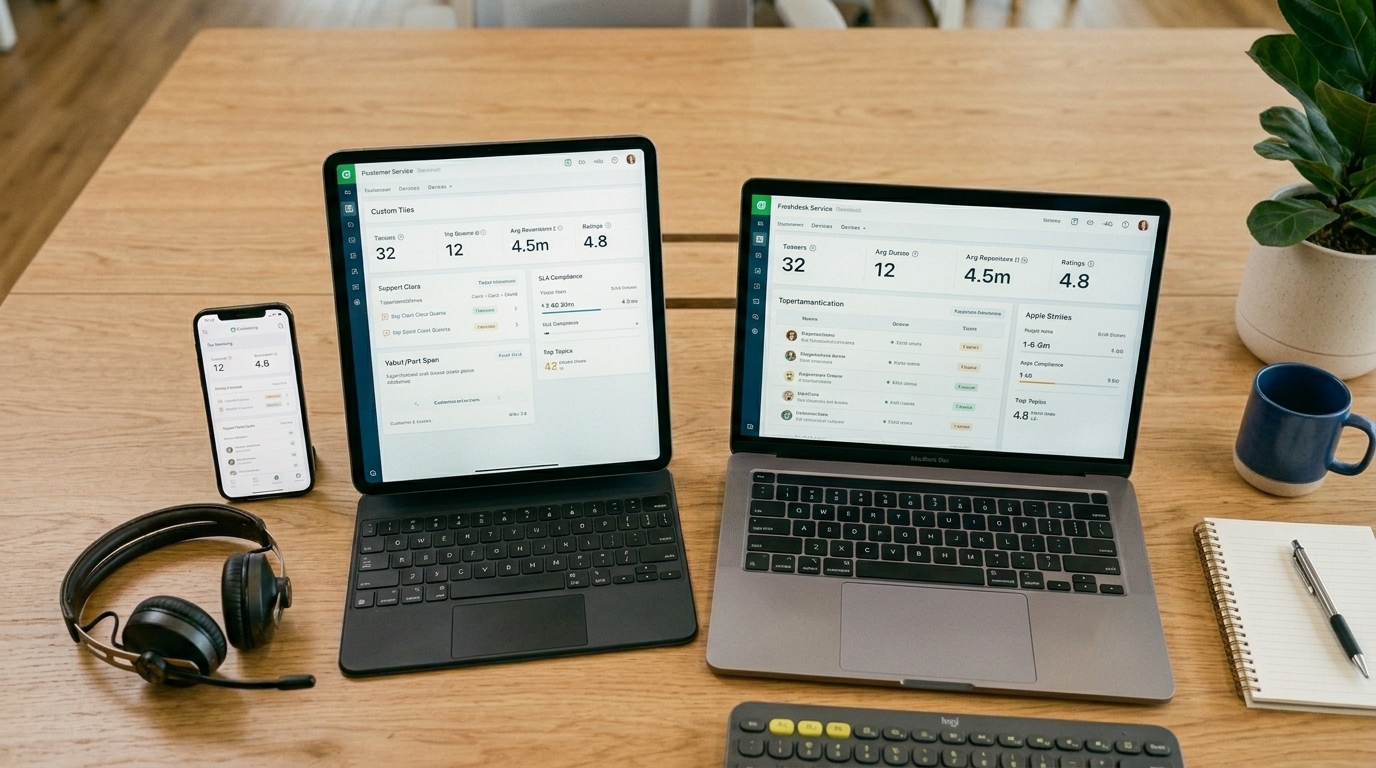
Crazy Vendor helps sellers connect inventory, orders, shipping, fulfillment, customer support, and profit reporting so multi channel delivery operations remain controlled as volume grows.