






Selling through more than one storefront can create new demand, but it also creates more operational work. What is multi channel ecommerce? It is a sales model where a business sells through two or more channels while coordinating product data, inventory, orders, fulfillment, customer service, and reporting.
Each new channel can add listing requirements, fees, delivery promises, and support expectations. Sellers need a reliable way to keep those details aligned.
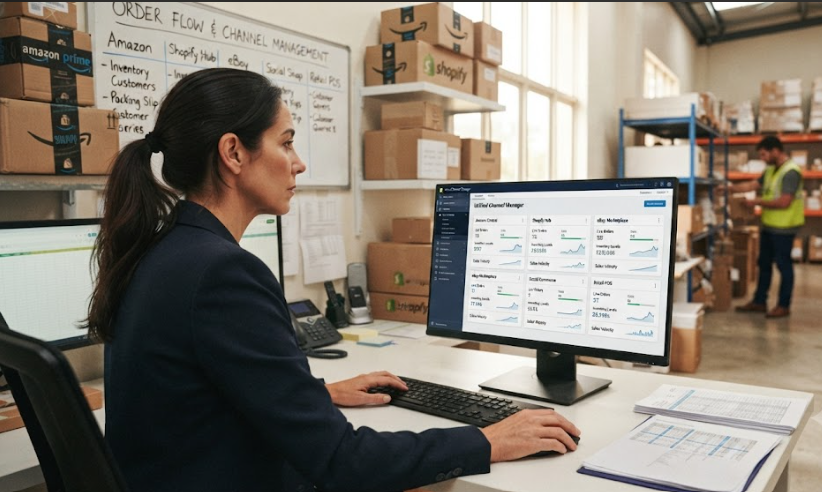
What Is Multi Channel Ecommerce?
To define what is multi channel ecommerce in practical terms: it is a connected architecture that lets customers buy the same brand’s products through several locations, such as a direct website, online marketplace, social storefront, wholesale portal, or physical point of sale.
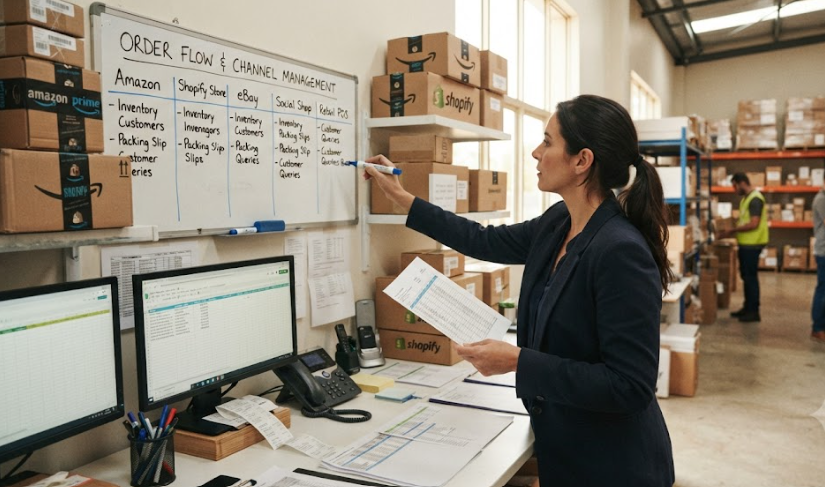
A seller might use Shopify for its branded store, Amazon and Walmart for marketplace reach, and eBay or Etsy for selected products. The customer experience can differ by channel, but the underlying SKU, available stock, fulfillment rules, and margin data must remain controlled.
Where Can You Sell?
Multi-channel sellers can combine a branded store with online marketplaces, social storefronts, wholesale portals, and physical sales locations. Each option reaches buyers in a different setting, but also introduces its own listing, inventory, fulfillment, and support requirements. The most common channel types are outlined below.
Common Ecommerce Channels
Common ecommerce channels include branded stores, marketplaces, social commerce, wholesale portals, and retail or POS locations.
| Channel | Primary opportunity | Operational requirement |
|---|---|---|
| Branded store | Brand and customer-journey control | Accurate product pages, checkout, and direct service |
| Marketplace | Access to established shopper demand | Channel-compliant listings, fees, and delivery performance |
| Social commerce | Product discovery | Current catalog availability and timely buyer responses |
| Retail or POS | Local demand | Shared stock visibility and returns handling |
What Is Multi Channel Ecommerce Compared With Omnichannel Ecommerce?
Contrasting what is multi channel ecommerce compared with omnichannel ecommerce comes down to system integration. While a multichannel setup runs across isolated storefronts, omnichannel unifies those environment. The channels may share product or inventory information, but the customer experience can still vary by marketplace, online store, or retail location.
Omnichannel ecommerce is a more integrated model. It connects the customer experience across channels, such as researching on social media, buying online, and completing a return in-store. Make multichannel operations dependable before trying to connect every touchpoint.
How Does Multi Channel Ecommerce Work?
Managing what is multi channel ecommerce beyond the basic definition requires automating a set of tightly linked workflows. The objective is to update the right data once and keep each connected channel working from it.
Product Catalog
Build a master record for each SKU, including product identifiers, titles, images, dimensions, variants, and pricing rules. A centralized product-listing workflow helps prevent outdated content on one marketplace.
Inventory
Every sale, return, received shipment, bundle adjustment, or transfer should affect available stock. Real-time inventory synchronization reduces the risk of a unit selling on Walmart after it has already been purchased through Shopify.
Orders and Fulfillment
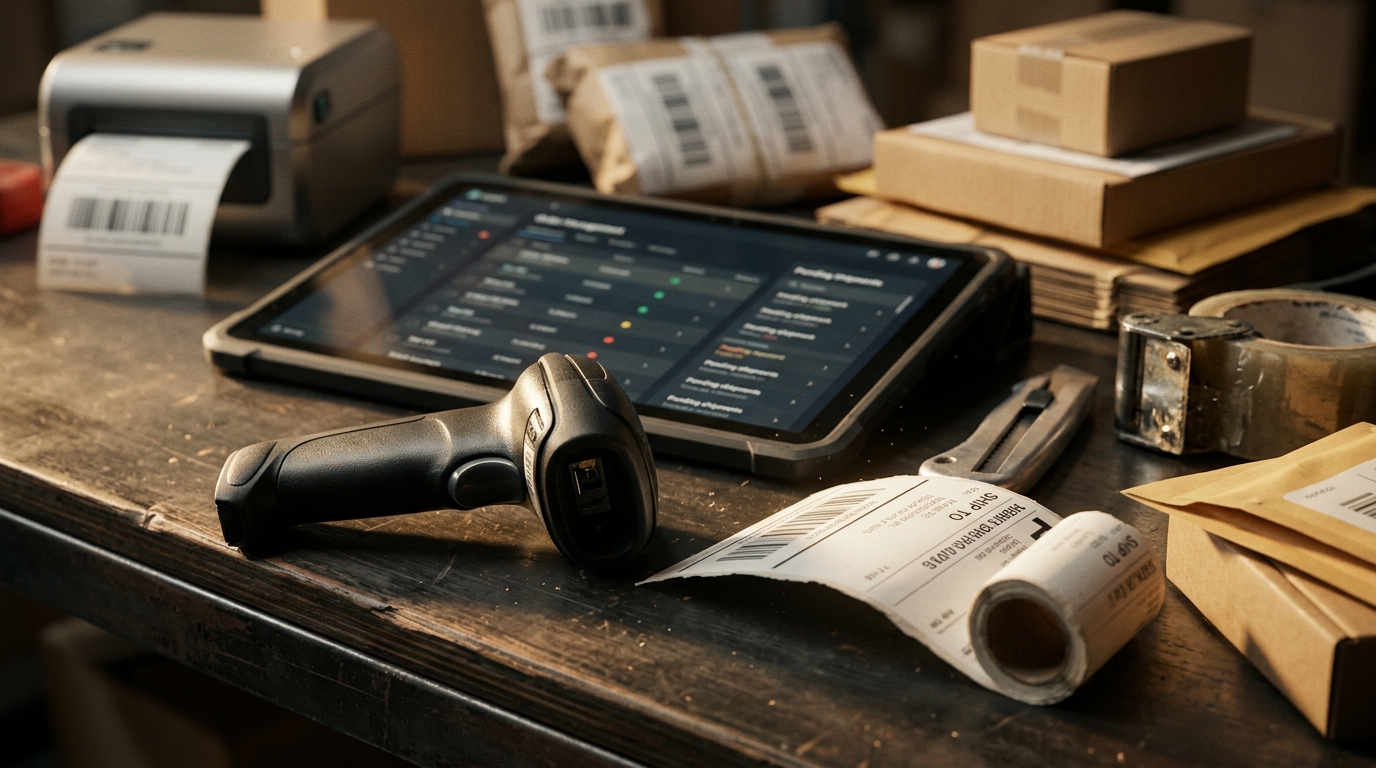
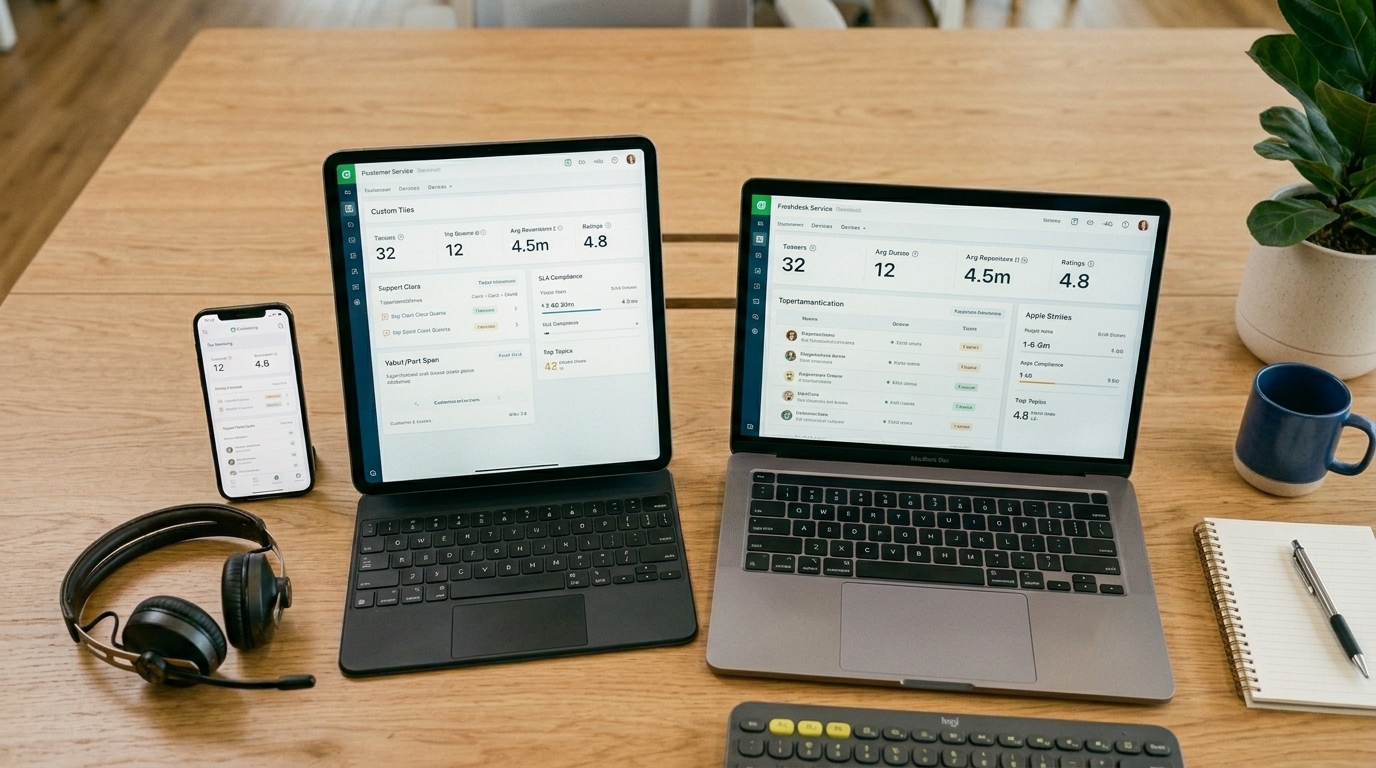
Teams need one view of payment status, shipping deadlines, stock location, service level, and returns. A unified order-management workflow reduces dashboard switching and helps apply routing rules consistently.
Profitability
Strong revenue does not always mean strong profit. Review marketplace commissions, shipping labels, returns, advertising, and fulfillment costs through channel-level profit analysis before moving more stock to a channel.
Benefits and Trade-Offs for Sellers
Why does multi channel ecommerce matter to growing sellers? It can broaden access to buyers without creating dependence on a single marketplace or traffic source. A replacement part may perform well on eBay, while a bundle may convert better on a brand’s own store.
The trade-off is complexity. Each added channel raises the risk of overselling, duplicate work, late dispatches, inconsistent pricing, and incomplete margin reporting.
| Potential benefit | What must be in place |
| Reach more qualified buyers | Listings built for each channel’s search behavior and policies |
| Reduce dependence on one platform | Clear operating rules for every marketplace account |
| Use stock more effectively | Synchronized inventory and realistic safety buffers |
| Improve fulfillment decisions | Order routing based on stock, cost, and delivery promise |
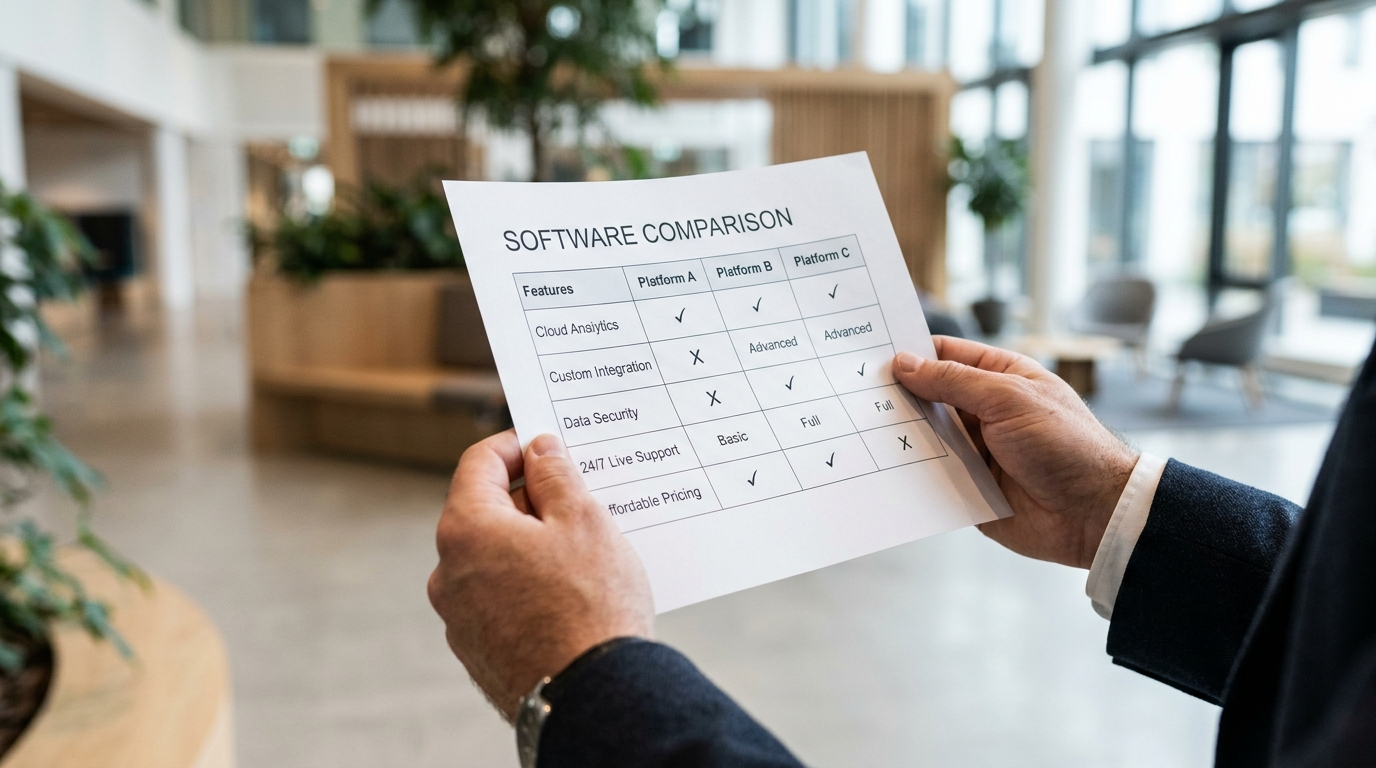
| Compare true performance | Revenue, fees, returns, advertising, and shipping in one review process |
What Is Multi Channel Ecommerce Strategy?
What is multi channel ecommerce strategy? It is the plan that decides where to sell, which products belong on each channel, how stock will be protected, and how the team will measure results.
Start with one additional channel rather than opening several at once. Choose products with dependable stock, complete product data, and a reasonable margin after channel fees. Define ownership for catalog updates, fulfillment exceptions, customer messages, returns, and weekly reporting.
A Practical First-Month Checklist
- Audit SKUs, variants, dimensions, product identifiers, and images.
- Set channel-specific prices and safety-stock buffers where needed.
- Define where each order type will ship from and how exceptions are handled.
- Use one process for cancellations, returns, replacements, and buyer messages.
- Review sales, late shipments, stockouts, return reasons, and net margin by channel every week.
Mistakes That Make Expansion Harder
A common mistake is treating a new marketplace as a listing task rather than an operating commitment. Do not publish a full catalog without checking channel eligibility, margins, and fulfillment capacity. Avoid inconsistent SKUs, unapproved price changes, and reporting that measures revenue without costs.
What is multi channel ecommerce worth if a seller cannot process every order accurately? Add channels only after catalog, inventory, and fulfillment controls are stable.
Conclusion: Expand Without Losing Operational Control
Stripped to its operational basics, what is multi channel ecommerce is a framework for selling where the right buyers shop while keeping back-end logistics organized. Sellers that build a reliable operating workflow can add channels without multiplying manual work.
Crazy Vendor helps marketplace sellers connect listings, inventory, orders, shipping, fulfillment, customer support, and profit reporting so expansion can be managed from a more controlled operational view.