


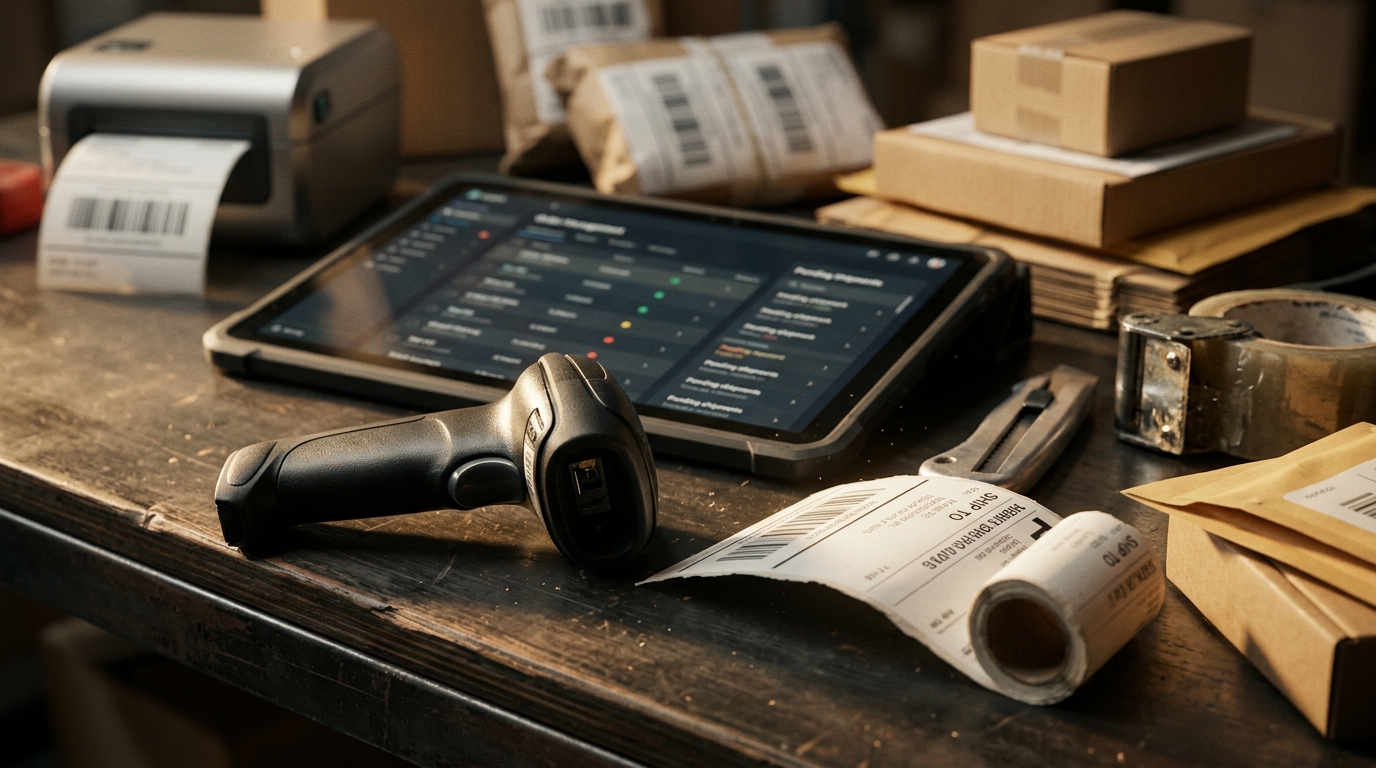







Evaluating raw data across multiple storefronts is notoriously inefficient without consolidation. High-performing ecommerce analytics tools do more than track vanity metrics, they bridge the gap between high sales volume and actual bottom-line profitability across platforms like Amazon, Walmart, and Shopify.
For multichannel sellers, scattered reports can make decisions harder. One channel may show high sales, while another shows rising returns, late shipments, or weak profit after fees. Good analytics should show where money is being made, where it is being lost, and what needs attention first.

Why Analytics Matters for Ecommerce Sellers
Many sellers check sales every day, but sales alone do not show the full picture. A product may sell quickly and still drain profit because of ads, shipping, returns, storage, or marketplace fees.
Analytics helps sellers connect activity to results. Instead of asking only “How much did we sell?” sellers can ask better questions. Which SKUs are making real profit? Which channels have the highest return rate? Which products sell but create support problems?
This is why ecommerce analytics tools are useful for daily operations. They help sellers move from guessing to checking store performance.
Key Metrics Ecommerce Analytics Tools Should Show
Sellers need numbers they can act on.
| Metric | Why It Matters | Seller Action |
| Net profit by SKU | Shows product performance after costs | Keep, adjust, or stop selling weak items |
| Sales by channel | Shows where demand is strongest | Move stock or adjust channel strategy |
| Return rate | Shows product, listing, or quality issues | Fix descriptions, photos, sizing, or packaging |
| Inventory turnover | Shows how fast stock is moving | Restock winners and reduce slow movers |
| Shipping cost | Shows fulfillment impact on margin | Adjust rates, packaging, or warehouse flow |
| Support volume | Shows products creating buyer questions | Improve FAQs, listings, or instructions |
| Order delay rate | Shows fulfillment problems | Review picking, packing, or carrier issues |
Data is only valuable when it transitions from static reporting into actionable operational workflows.
Track Profit, Not Just Revenue
Revenue can be misleading. A product that brings in $10,000 a month may look strong until fees, ads, shipping, refunds, and return handling are counted.
Use a consistent method to calculate COGS so product-cost data supports the profit comparisons shown in those reports.
Profit tracking should include marketplace fees, payment processing, cost of goods, shipping, promotions, ad spend, refunds, returns, and storage costs. Without these numbers, sellers may keep pushing products that look successful but quietly reduce margin.
Crazy Vendor’s multi-channel profit analytics helps sellers compare product and channel performance so they can see which items are worth scaling and which ones need changes.
Compare Channels Side by Side
Multichannel sellers often have different results across Amazon, Walmart, Shopify, eBay, and Etsy. A product may perform well on one channel but fail on another because of fees, competition, delivery speed, or listing quality.
Ecommerce analytics tools should make those differences clear. Sellers should be able to compare sales, profit, stock movement, cancellations, returns, and customer issues by channel.
For example, a product may sell more on Amazon but have higher fees and returns. The same item may sell slower on Shopify but keep a stronger margin. Without side-by-side reporting, sellers may send inventory to the wrong channel.
A multi-channel sales tracking software can help sellers monitor sales performance across channels without switching between dashboards.
Connect Inventory Data With Sales Data
Analytics becomes stronger when it connects to inventory. Sales reports show what happened. Inventory reports show whether the seller can keep up.
If a product sells well but stock is low, the team needs to reorder before losing ranking or repeat buyers. If a product has slow sales and high stock, the team may need a promotion, bundle, listing update, or buying pause.
This is where multi-channel inventory management supports better decisions. Sellers need accurate stock data across every channel so analytics reflect real availability.
Use Analytics to Find Operational Problems
Good analytics should show where operations are hurting performance. Late shipments, repeated support questions, high return rates, and order errors can all affect profit and seller metrics.
If one product has strong traffic but many returns, the issue may be inaccurate sizing, unclear images, or quality problems. If one channel has more cancellations, the issue may be stock sync or slow order handling.
Ecommerce analytics tools should help sellers find these patterns before they become bigger problems. For order-heavy teams, multi-channel order managementcan help connect order activity with fulfillment performance.
Do Not Track Everything at Once
Dashboard fatigue can paralyze an operations team. Instead of drowning in data overload, sellers should isolate a core group of actionable KPIs and audit them on a strict routine.
A weekly review can cover sales, profit, stock movement, returns, shipping cost, and support trends. A monthly review can cover product winners, weak SKUs, channel performance, and buying decisions.
The goal is not to watch every number all day. The goal is to catch problems early and make better decisions with less manual checking.
Conclusion: Ecommerce Analytics Tools Should Help Sellers Act
Ecommerce analytics tools should do more than display charts. They should help sellers understand which products make money, which channels perform best, where inventory is at risk, and which operations need attention.
Crazy Vendor gives ecommerce sellers a clearer way to connect sales reports with inventory movement, order activity, shipping costs, support issues, and product profit, so decisions are based on what is actually happening across the business.