


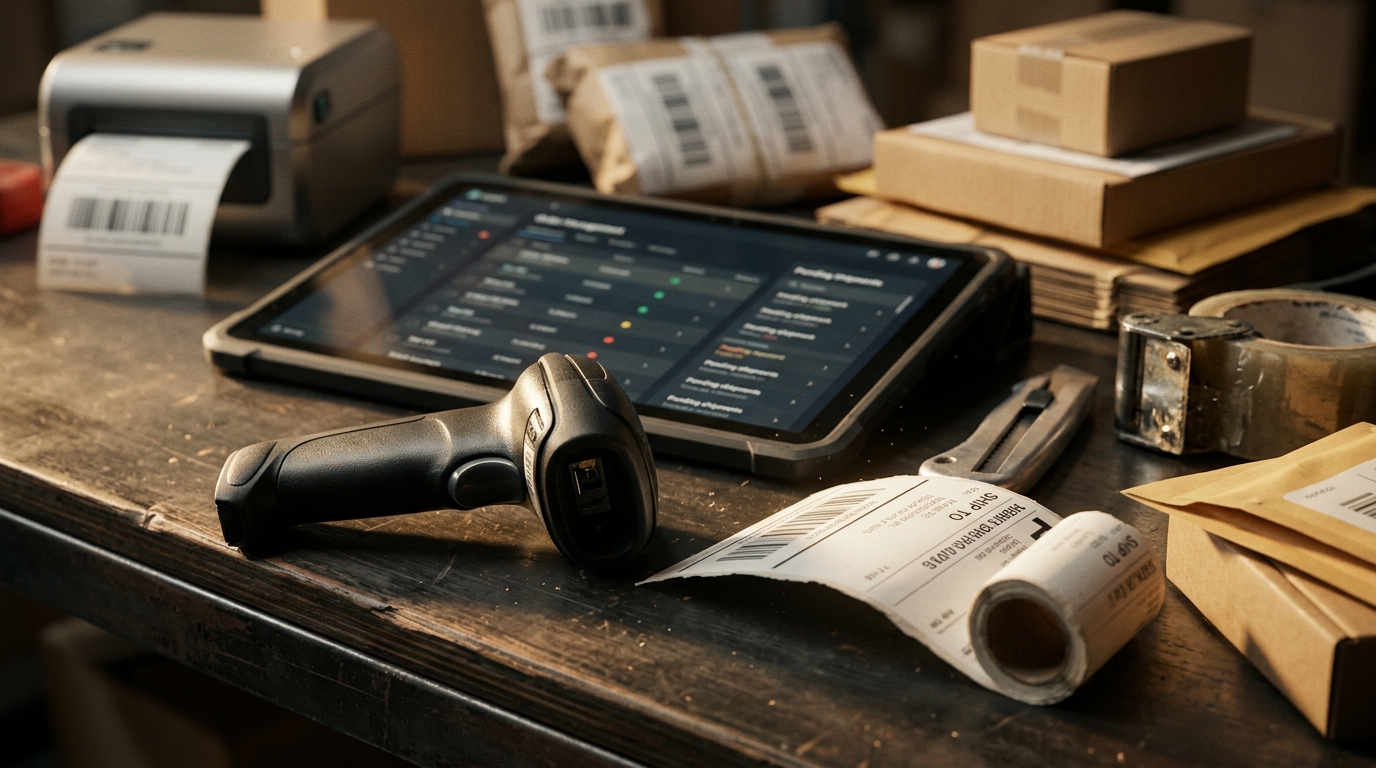







Gaining initial launch velocity on Amazon requires a systematic approach to social proof. For years, the Amazon Early Reviewer Program served as the primary native mechanism for new brands to secure their first product reviews. Designed specifically to help items with zero feedback overcome the initial barrier of search invisibility, this official initiative incentivized verified buyers to share their experiences.
While the system no longer accepts new enrollments, analyzing how this legacy framework operated provides critical benchmarks for modern product launch workflows. Dissecting its mechanics allows multi-channel merchants to optimize their current feedback loops using the automated logistics architecture driving today’s high-volume brands.
Exploring the Mechanics of the Amazon Early Reviewer Program
The Amazon Early Reviewer Program was a straightforward and highly regulated service that allowed sellers to pay a flat fee of 60 dollars per parent SKU. In exchange, the platform would reach out to actual customers who had already purchased the item and offer them a small gift card to share their honest opinion. This ensured that the feedback was authentic and not influenced by the brand directly.

Trust is a fundamental component of the online shopping experience, and this initiative helped maintain that trust. By creating a transparent environment, the marketplace ensured that shoppers could trust the reviews they read, which ultimately benefited everyone involved in the transaction. This focus on reliability helped prevent the proliferation of biased content that could mislead potential buyers during their decision-making process.
Participation and Eligibility Standards
To participate, sellers had to meet specific criteria designed to keep the system fair and balanced. The Amazon Early Reviewer Program was intended only for products with fewer than five reviews, ensuring that the help went where it was needed most. This prevented established brands from dominating the system and allowed newcomers to carve out a space for themselves in competitive categories.
By leveling the playing field, the marketplace fostered innovation and diversity among its sellers. This allowed unique products to find their audience without being overshadowed by larger marketing budgets. Additionally, the fee was only charged once the first review was received through the program. This provided a level of security for the merchant, knowing that their investment would yield actual results.
The Role of Verified Authenticity
One of the most important aspects was that reviews were tagged with a “Verified Purchase” badge. The Amazon Early Reviewer Program ensured that every comment came from a legitimate user who had actually used the product. This prevented the rise of fake or manipulated feedback that often plagues unmoderated systems where quality control is lacking.
When shoppers feel confident in the feedback they see, they are much more likely to complete a purchase. Because the shoppers were chosen at random by the platform, the brand had zero influence over the final rating. This forced merchants to focus on product quality and customer service, as they knew only a good experience would result in a positive review.
Transitioning from the Amazon Early Reviewer Program to Vine
As the ecosystem evolved, the Amazon Early Reviewer Program was officially deprecated to make way for more robust acceleration models like Amazon Vine. The decision to retire the legacy service in 2021 signaled a shift toward a high-velocity review generation infrastructure that favored brand-registered sellers. Where the original program capped out at five reviews per SKU, modern ecosystem parameters allow brands to scale up to 30 reviews.
This structural change provides a significantly stronger signal to the A9 ranking algorithm, helping optimized listings climb search results pages faster. However, the fundamental operational goal-mitigating the cold-start problem via verified purchase data-remains the gold standard for listing credibility and long-term conversion rates.”
| Feature Comparison | Early Reviewer Program | Amazon Vine Program |
| Max Reviews | Five | 30 |
| Enrolment Fee | 60 Dollars | Variable |
| Reviewer Type | Actual Buyers | Vine Voices |
| Eligibility | < 5 Reviews | Brand Registered |
Scalability and Review Velocity
The transition reflected the market’s need for faster growth and higher volumes of data. While the original program was slow and steady, modern systems are built for speed. Brands today need to gather a high volume of feedback in a short amount of time to remain competitive against established players. This velocity is what drives organic rankings in the digital age.
By increasing the number of possible reviews, the marketplace allowed brands to establish themselves as leaders in their niches much sooner. This shift toward acceleration is a recurring theme in e-commerce, where the tools must evolve to meet the growing demands of both sellers and shoppers alike. Higher review counts provide the momentum needed for long-term category dominance.
Why the Philosophy Still Matters
Even though the platform has moved on, the legacy of the Amazon Early Reviewer Program shows that consistent customer engagement is a prerequisite for organic growth. The core idea that honesty is the best policy has never gone out of style. Brands that focus on providing value and listening to their users are the ones that succeed in the end.
This philosophy is especially important when using advanced multichannel listing software to manage your catalog. By keeping your information updated, you ensure that the feedback you receive is based on accurate customer expectations. Quality control is the foundation of any successful expansion strategy for a modern business. Maintaining technical accuracy ensures that your brand reputation remains intact across all digital storefronts.
Fulfillment Excellence and Automation
A successful launch strategy often mirrors the efficiency once provided by the Amazon Early Reviewer Program. When you are attempting to gain initial momentum, your logistics must be as flawless as your marketing. Utilizing multi-channel fulfilment software ensures that your orders are processed and shipped with the speed required to satisfy early adopters.
By streamlining your warehouse operations, you create the perfect environment for organic reviews to flourish without the need for manual intervention. Speed and accuracy are the keys to a successful e-commerce brand today, and professional tools make this possible for teams of any size. Efficient delivery not only saves time but also builds real equity with your audience.
Modern merchants need systems that can handle the complexity of a global marketplace with ease. Crazy Vendor provides the technical backend required to manage your store while you focus on high-level product development. The features within Crazy Vendor complement the goals originally set by the Amazon Early Reviewer Program by providing a stable foundation for sales growth.

When you prioritize the long-term health of your listing over short-term gains, you build a brand that lasts. Managing your inventory levels effectively ensures that you are always ready to meet the demand generated by your social proof. This professional mindset is what separates established brands from temporary sellers in the current competitive environment where efficiency matters most always.
Conclusion
While the native Amazon Early Reviewer Program belongs to the history of the marketplace, its core lesson remains intact: verified customer feedback is the lifeblood of organic scaling. Today, generating velocity depends on pairing modern review tools like Amazon Vine with flawless supply chain execution.
Connecting your sales channels to Crazy Vendor keeps your inventory updated automatically as orders come in. Syncing your orders and warehouse data eliminates manual typing and prevents shipping mistakes. When customers get their packages quickly and without errors, they naturally leave better reviews, helping your store grow without the extra headache.”