


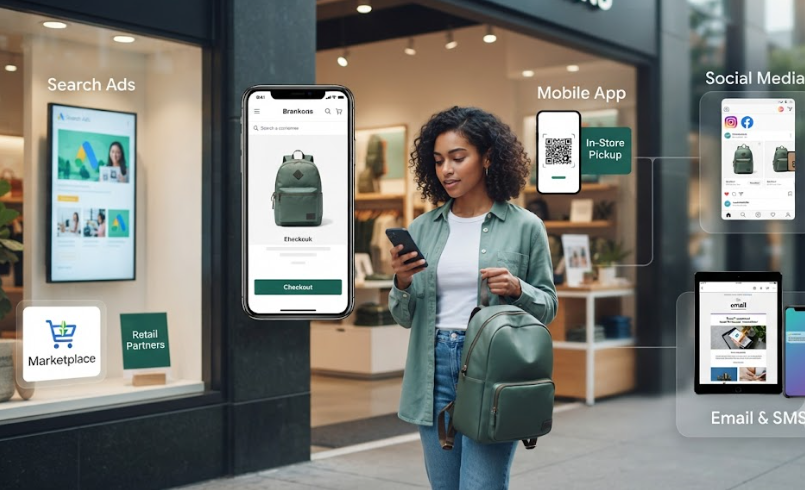

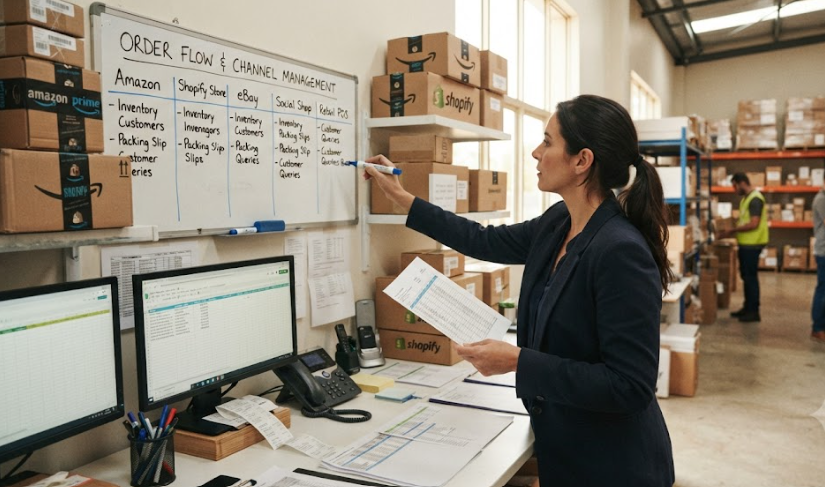

Retailers no longer need to rely on one store, one website, or one marketplace account. Implementing what is multi channel retailing establishes a model where a business sells directly to consumers through two or more buying locations while coordinating product data, available stock, orders, service, and margin decisions.
The opportunity is wider reach. The challenge is preventing a sale, return, promotion, or stock transfer from creating conflicting information elsewhere.
What Is Multi Channel Retailing in Retail Operations?
In daily execution, what is multi channel retailing centers on coordinated consumer selling through channels such as an ecommerce store, online marketplace, physical location, pop-up, or point of sale system. Each channel can have a different role, but customers should receive accurate availability, pricing, and delivery information wherever they buy.
Retailing also involves local assortment, store-level stock, staff processes, exchanges, and merchandising. The goal is to offer the right products through the right retail touchpoint without losing control of the customer promise behind them.
Multi Channel Retailing Is Broader Than Selling on More Websites
What is multi channel retailing retailing beyond selling products on several websites? It also includes physical retail touchpoints where customers can browse, buy, collect, exchange, or return products. A retailer may combine a branded site and marketplaces with pop-ups, local collection, or an in-store counter.
| Retail setup | Primary control point |
|---|---|
| Website plus marketplaces | Listing rules, fees, and delivery performance |
| Store plus website | Shared availability, returns, and service handoff |
| Pop-up plus online store | Temporary allocation and rapid stock reconciliation |
| Local retail plus marketplace | Assortment, fulfillment priority, and margin by channel |
Map the Retail Customer Journey First
Customers may discover an item on social media, compare it online, check availability, and purchase in-store. They may also buy online, then request an exchange or return at a physical location.
Mapping out what is multi channel retailing helps retailers plan these hand-offs before adding another channel. The aim is not to make every channel identical, but to keep product, stock, and service information reliable whenever shoppers move between touchpoints.
Choose Assortment by Channel
Store formats support tactile discovery, local pickup, and bundled purchases, while marketplaces often capture specific product searches. Not every SKU belongs in every location.
Use a centralized multichannel listing process for online catalog updates, then assign products to local availability, seasonal displays, or store-only offers. This avoids promoting a variation that cannot be fulfilled from the intended location.
Treat Returns as Stock Events
Customers expect staff to know whether an item may be exchanged, collected, or returned. A returned item may be sellable, damaged, incomplete, or unsuitable for immediate restocking.
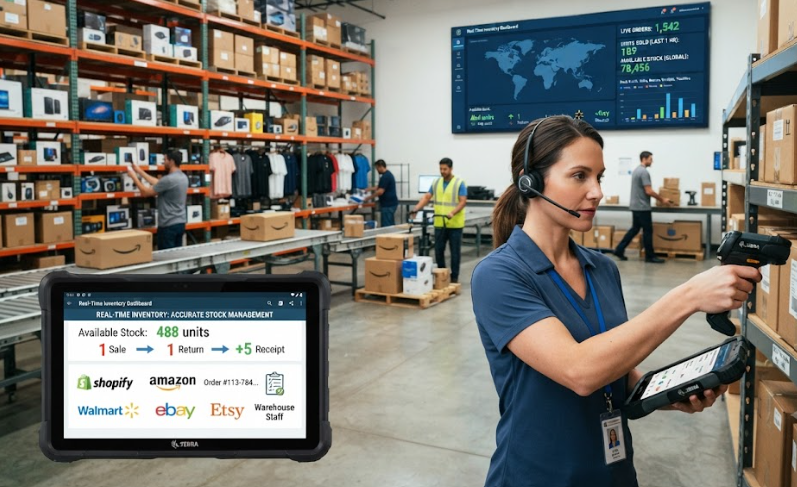
Shared inventory visibility helps connected online channels reflect sales and returns accurately. Retail teams should pair it with clear procedures for receiving, transfers, damaged goods, and return-to-stock decisions.
Build a Retail Control Routine
At the operational level, multi channel retailing requires daily controls, not just campaign reports. Managers need to know what is on hand, what is committed to open orders, what is moving quickly, and what must be replenished or transferred.
This routine should separate local selling stock from inventory promised to online orders. It should also define the fulfillment source for each order type before customer demand creates exceptions.
Protect Availability Across Channels
Set safety buffers for high-demand products and define when one channel can use another channel’s stock. A weekend pop-up may need different allocation rules from an online item with a fixed delivery deadline.
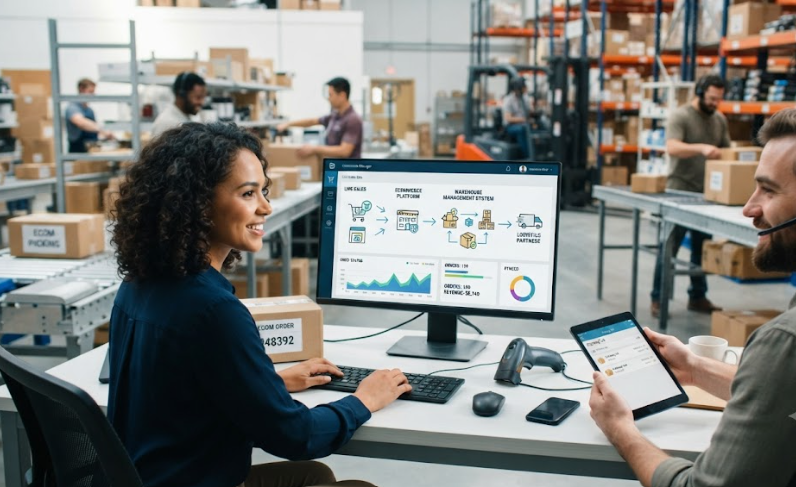
For website and marketplace orders, a centralized order-management workflow helps teams review order status, shipping requirements, cancellations, and exceptions without switching between seller dashboards.
Keep Promotions Consistent
Every promotion should state where it applies, which SKUs qualify, and what happens when a customer buys in one channel and returns through another. Train staff on exchanges, credits, gift receipts, and restocking rules before launching a cross-channel offer.
Measure Channel and Location Performance
For managers assessing whether multi channel retailing is worthwhile, total revenue is not enough. Review sell-through rate, stockout rate, return rate, inventory turnover, average order value, late dispatches, and net margin by SKU, channel, and location.
Channel-level profit analytics can help ecommerce teams combine marketplace fees, shipping, advertising, and product costs in one review. Strong sales do not guarantee margin after returns, display space, local staffing, or channel fees are included.
Add a Retail Channel in Stages
Before adding another storefront, decide what the new channel is expected to improve: local convenience, buyer reach, product discovery, repeat sales, or a more resilient revenue mix. Start with a narrow assortment and one operating goal rather than launching a full catalog everywhere.
For sellers learning what is multi channel retailing retailing, controlled expansion is more valuable than rapid expansion. Assign owners for product changes, local counts, delivery exceptions, returns, and customer messages, then review the first month closely before increasing range or volume.
First-Month Retail Launch Checklist
- Choose the channel and define its job in the retail mix.
- Select products with reliable stock and enough margin for the channel.
- Confirm SKUs, pricing, promotions, and product requirements.
- Set allocation rules for local, online, and marketplace demand.
- Document pickup, return, exchange, transfer, and damaged-stock procedures.
- Review stockouts, return reasons, delivery issues, and margin every week.
Retail Mistakes That Create Friction
Treating a new channel as only a listing project is expensive. Consider what value what is multi channel retailing actually delivers if customers can buy online but face confusion when trying to collect, exchange, or return the item.
Avoid publishing every SKU everywhere, using one generic promotion across all channels, and measuring only gross sales. Retail expansion works when assortment, stock allocation, service policies, and margin reviews match how customers actually buy.
Conclusion: What Is Multi Channel Retailing?
Stripped of theoretical fluff, what is multi channel retailing provides an infrastructure to give customers more places to buy while keeping availability, retail service, fulfillment, and margins under control. Strong retailers add channels deliberately, then use results to refine assortment and operating rules.
Crazy Vendor helps ecommerce sellers connect listings, inventory, orders, fulfillment, customer support, and profitability data as their multichannel operations grow.