





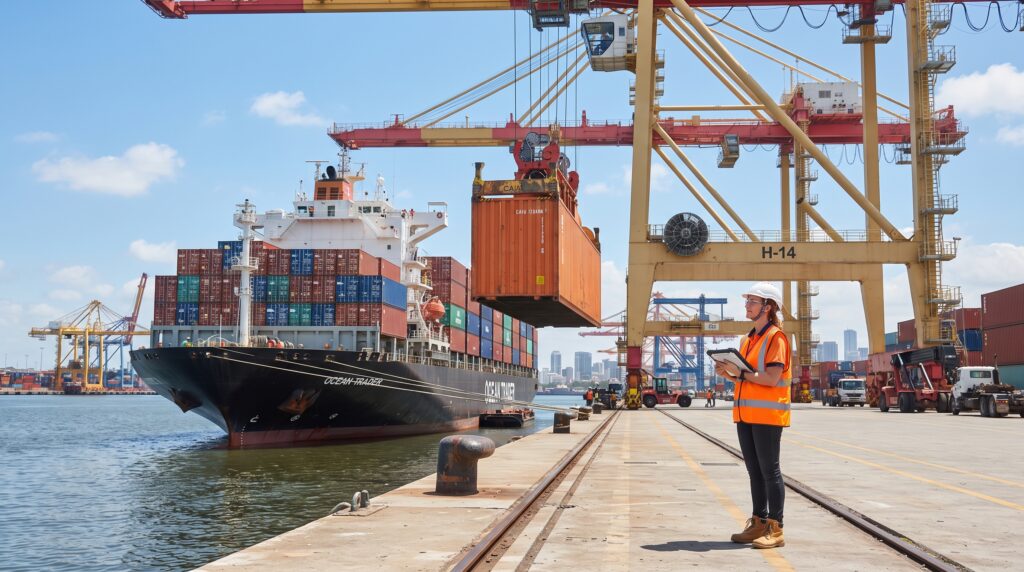
Shipping terms can affect landed cost, delivery timing, insurance responsibility, inventory planning, and profit. What does FOB mean in shipping? FOB stands for “Free on Board,” a trade term that explains when the seller’s delivery responsibility ends and when the buyer begins carrying risk and cost for the goods.
For ecommerce sellers importing products, FOB is more than a phrase on a supplier quote. It affects who handles export steps, when goods become the buyer’s risk, how freight should be planned, and when incoming stock should be treated as available.

What Does FOB Mean in Shipping?
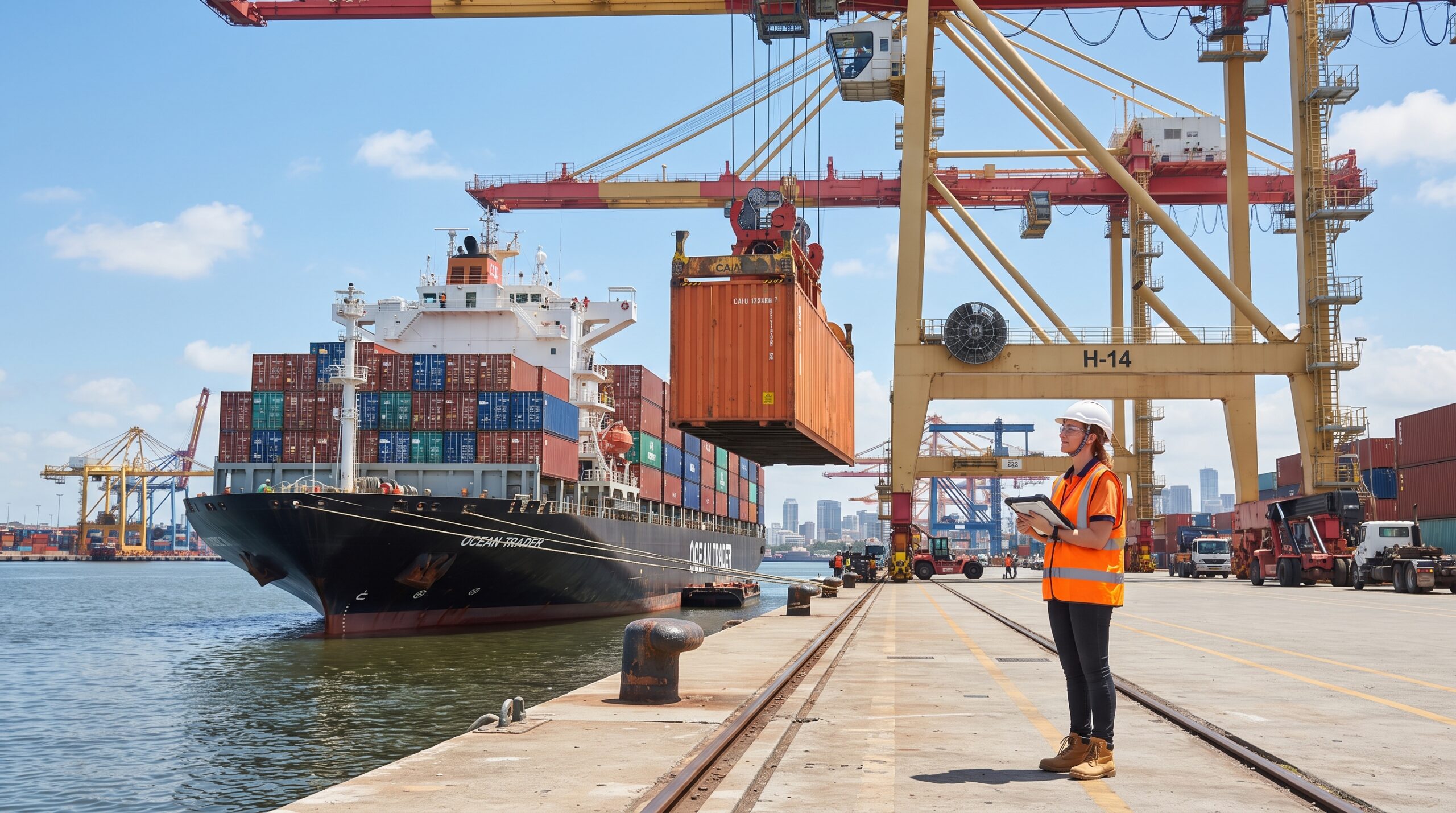
What does FOB mean in shipping in practical terms? Under a standard international shipping use, Free on Board means the seller delivers the goods on board a vessel at the named port of shipment. Once the goods are on board, risk usually transfers from the seller to the buyer.
That point matters because the buyer often becomes responsible for the main freight, insurance decisions, destination charges, customs handling, and onward delivery after the goods leave the origin port.
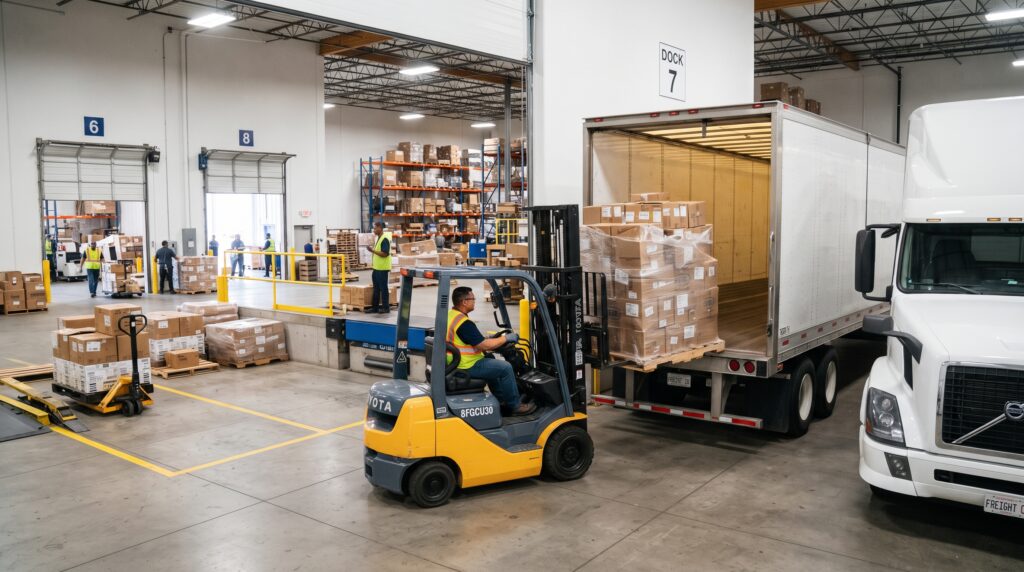
Read the FOB Term as a Handoff Point
FOB is best understood as a handoff point, not just a shipping price. The seller is responsible for getting the goods to the named port and loading them on the vessel. The buyer takes over once the goods are on board.
This distinction helps sellers understand what is included in the supplier’s quote and what still needs to be budgeted after the handoff.
| FOB area | Seller usually handles | Buyer usually handles |
| Product preparation | Packing and export-ready goods | Product review after arrival |
| Origin movement | Transport to named port | Main freight planning after loading |
| Vessel loading | Loading goods on board | Risk after goods are on board |
| Main freight | Not usually included under FOB | Ocean freight, insurance, destination costs |
| Final delivery | Not usually included | Customs, local transport, receiving |
Check the Named Port Before Comparing Prices
A common mistake is comparing two FOB quotes without checking the named port. FOB Shenzhen and FOB Ningbo may not create the same cost, transit time, carrier options, or supplier responsibility.
For sellers asking what does FOB mean in shipping, the named port is part of the term. Without it, the quote is incomplete.
Check 1: Confirm the Exact FOB Port
Ask the supplier to state the port clearly, such as FOB Shanghai or FOB Los Angeles, depending on the contract and shipment route. A vague FOB quote can create confusion when freight forwarders begin planning the shipment.
Check 2: Confirm What Is Included Before Loading
Do not assume every origin charge is included. Confirm export documents, local transport, terminal handling before loading, packaging, labeling, and any supplier-specific charges.
Use FOB to Plan Inventory Timing
FOB can create confusion if the team treats shipped goods as available too early. Goods may be on the vessel, but they are not ready to sell until they are received, inspected, and placed into sellable stock.
For ecommerce sellers, this is where shipping terms connect directly to inventory planning.
Check 3: Separate Inbound Stock From Sellable Stock
A purchase order may be confirmed, goods may be loaded, and tracking may show progress, but that does not mean the units are ready for customer orders. Use inbound inventory visibility to separate incoming stock, reserved stock, damaged units, and sellable units.
This helps prevent overselling before imported products are physically ready to fulfill.
Check 4: Match Reorder Timing to Transit Risk
FOB shipments can still face vessel delays, customs delays, port congestion, inspection holds, or local delivery problems. Sellers should add realistic buffers before launching promotions or restock campaigns.
A product should not be promoted as ready if the stock is still in transit or waiting for inspection.
Connect FOB Costs to Product Margin
What does FOB mean in shipping for profit? It means the supplier price may not show the full landed cost. The buyer may still need to pay ocean freight, insurance, destination handling, customs charges, local delivery, warehousing, and other import-related costs.
A low FOB product price can become less attractive when the remaining shipping and handling costs are added.
Check 5: Calculate Landed Cost Before Pricing
Before setting retail prices, estimate total landed cost per unit. Include product cost, main freight, insurance, customs, destination handling, local transport, packaging changes, storage, and expected damage or return exposure.
A channel-level profit review helps sellers compare product cost, shipping cost, fees, refunds, and margin before pushing a product across several channels.
Prepare the Order and Shipping Workflow
FOB affects the supply side, but the consequences reach customer orders. If inbound goods arrive late, the seller may face stockouts, delayed dispatch, canceled orders, or support messages from buyers.
The team should connect supplier shipping terms with customer-facing delivery promises.
Check 6: Link Inbound Timing to Customer Orders
A centralized order-management process helps sellers monitor open orders, shipping deadlines, cancellations, and return activity when imported stock affects fulfillment timing.
If a shipment is delayed, operations teams need to know which sales channels, orders, and products may be affected first.
Check 7: Keep Shipping Updates in One View
FOB does not end the seller’s responsibility to customers. Once the imported goods become available, the seller still has to ship customer orders accurately and keep tracking information updated.
A shipping management workflow helps ecommerce teams coordinate carrier details, tracking updates, and shipping activity across active channels.
Avoid Common FOB Mistakes
The first mistake is assuming FOB means the supplier handles everything until the goods reach the buyer’s warehouse. Under standard international use, the seller’s responsibility usually ends much earlier, once the goods are loaded on board at the named port.
The second mistake is using FOB language without confirming whether the shipment is actually suited to FOB. Containerized goods are often handed to carriers before they are loaded on a vessel, which can make other terms more suitable depending on the shipment and contract.
The third mistake is failing to connect FOB costs to pricing. Sellers that only compare supplier unit prices may miss freight, destination handling, customs, storage, and local delivery costs.
Conclusion: Understand the Handoff Before You Commit
What does FOB mean in shipping? It means the seller delivers goods on board the vessel at the named shipment port, and the buyer takes responsibility from that handoff point. For ecommerce sellers, that affects freight planning, landed cost, stock timing, fulfillment promises, and profit.
Crazy Vendor helps sellers connect inventory, orders, shipping, fulfillment, customer support, and profit reporting so import and delivery decisions are easier to manage across growing ecommerce operations.