







More traffic does not always create better sales. If visitors do not buy, conversion rate stays weak. If buyers only purchase one low-margin item, average order value stays limited. Tracking how to increase CVR and AOV helps sellers improve revenue from existing traffic instead of depending solely on higher ad spend or expanded marketplace exposure.
For ecommerce sellers, the goal is not to raise one number while hurting the other. Strong growth comes from making the buying path easier, increasing order value naturally, and protecting profit after shipping, fees, discounts, and returns.

How to Increase CVR and AOV Without Hurting Profit
Reviewing how to increase CVR and AOV together ensures that conversion improvements drive real revenue without sacrificing unit margins. CVR shows how many visitors or sessions become orders. AOV shows how much each completed order is worth.
A seller asking how to increase CVR and AOV should avoid treating them as separate projects. A deep discount may increase conversion but reduce order value and margin. A large bundle may raise AOV but lower conversion if the price feels too high for first-time buyers.
Conversion rate optimization focuses on improving the percentage of visitors who complete a desired action. For ecommerce, that desired action is usually a purchase, but sellers should still check whether those purchases create profitable orders.
Diagnose the Sales Leak Before Changing the Offer
Do not start by adding discounts, pop-ups, or bundles. First, identify where the buying path is losing customers and whether the issue is traffic quality, product-page trust, pricing, stock availability, delivery expectations, or post-purchase concern.
This gives the team a practical starting point instead of making random changes.
| Sales signal | Likely issue | Better first action |
| High traffic, low conversion | Product page does not answer buyer concerns | Improve copy, images, reviews, or offer clarity |
| High add-to-cart, low checkout | Shipping cost, delivery time, or payment friction | Review checkout and shipping promise |
| High conversion, low AOV | Buyers purchase only one item | Test bundles, thresholds, or add-ons |
| High AOV, high returns | Bundle or product promise may be unclear | Review listing accuracy and return reasons |
| Strong sales, weak profit | Fees, shipping, or discounts are too heavy | Review true margin before scaling |
Increase CVR by Removing Buyer Hesitation
How to increase CVR and AOV starts with trust. If the buyer is unsure about product fit, shipping time, return rules, or available stock, they may leave even when the product is relevant.
CVR usually improves when the product page answers practical buyer questions before checkout. The goal is to make the decision easier without relying on unnecessary discounts.
Improve Product Pages Before Adding Promotions
Product pages should explain what the item is, who it fits, what is included, how it ships, and why the buyer should choose it now. Use accurate titles, complete attributes, clear images, size or compatibility details, and realistic delivery expectations.
A product-page listing control process helps sellers keep product details consistent across marketplaces and storefronts while still adapting fields for each channel. This reduces confusion when buyers compare the same product in different places.
Match the Offer to Buyer Intent
A first-time buyer may need a simple product, strong proof, and low-risk delivery. A returning buyer may respond better to bundles, refills, or related accessories.
Do not use the same offer for every product. A slow-moving item may need a clearer value proposition, while a fast-selling item may only need stronger availability and fewer checkout surprises.
Keep Stock and Delivery Promises Accurate
A product page cannot convert if the item is unavailable or the delivery promise is unreliable. Buyers may abandon the purchase when the product looks delayed, backordered, or inconsistent across channels.
Live stock visibility for active listings helps sellers avoid promoting products that cannot be fulfilled on time. This supports conversion because the buying promise remains believable.
Increase AOV Without Forcing Bigger Orders
AOV improves when customers have a logical reason to buy more. The best approach is to make the next item useful, not to pressure the buyer into a larger cart that creates returns or regret.
For teams planning how to increase CVR and AOV, the AOV strategy should match product type, buyer stage, and margin.
Build Bundles Around Real Use Cases
Create bundles that solve one complete need. A skincare seller might group cleanser, moisturizer, and applicator pads. A parts seller might bundle a replacement item with compatible accessories.
Bundles work best when the buyer understands why the items belong together. Avoid random product combinations that make the offer look like inventory clearance.
Use Thresholds Carefully
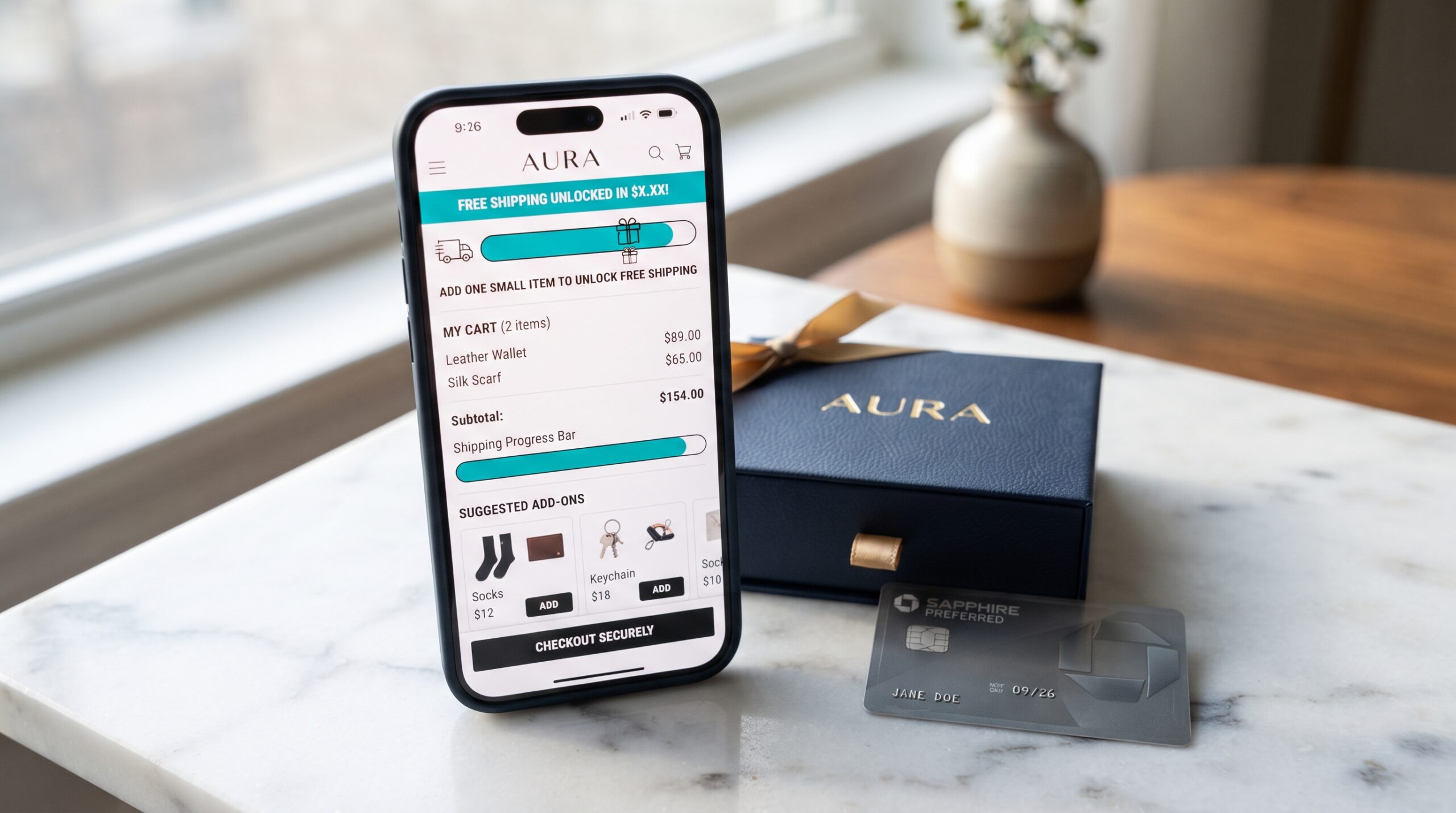
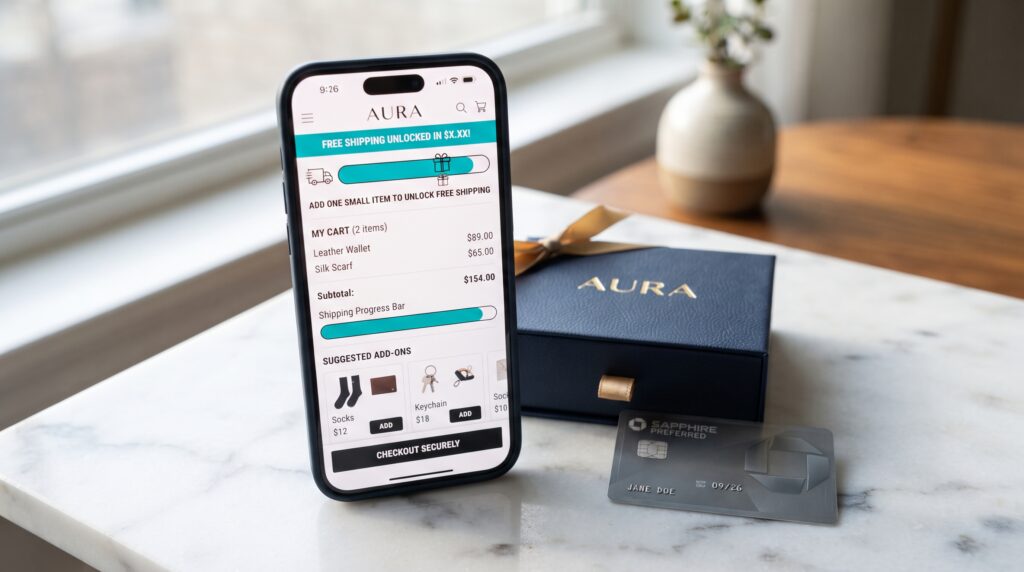
Free-shipping or discount thresholds can lift AOV, but only when the threshold is close enough to the current cart value. If the average order is $42, a $50 threshold may encourage one add-on. A $100 threshold may feel unreachable and reduce conversion.
Review shipping cost and gross margin before using thresholds. Higher order value is not useful if the added discount removes profit.
Offer Add-Ons at the Right Moment
Add-ons should appear when they help the buyer complete the order. Recommend refills, accessories, warranties, replacement parts, or complementary products only when they clearly match the item in the cart.
Use sales and product-performance tracking to see which SKUs are frequently bought together, which products create repeat orders, and which channels respond better to bundles.
Protect Profit While Testing CVR and AOV
A seller can increase CVR and AOV but still lose money if shipping, ads, returns, and fees are ignored. This is why testing should include margin, not only revenue.
A profit-protected AOV review helps teams compare sales, fees, shipping, refunds, advertising, and product costs by SKU or channel. This matters when a promotion raises order value but quietly reduces net profit.
| Test idea | CVR effect to watch | AOV effect to watch | Profit risk |
| Better product images | More product-page purchases | No direct lift | Creative cost without conversion gain |
| Bundle offer | May help or hurt conversion | Higher cart value | Discount or return exposure |
| Free-shipping threshold | May improve checkout completion | Higher cart value | Shipping cost absorbs margin |
| Add-on recommendation | May help decision confidence | Higher order size | Irrelevant add-ons create friction |
| Faster delivery promise | May improve conversion | No direct lift | Carrier cost rises |
Build a Weekly CVR and AOV Testing Routine
How to increase CVR and AOV consistently comes down to disciplined testing. Pick one product group, one channel, and one hypothesis at a time. Do not change product images, price, bundle structure, shipping threshold, and ad targeting all in the same week.
Start with the highest-impact issue. If traffic is strong but conversion is weak, improve the product page or checkout promise first. If conversion is healthy but order value is low, test bundles, add-ons, or thresholds. If both numbers improve but profit declines, adjust the offer before increasing traffic.
Track the result for enough time to avoid reacting to one unusual day. Then decide whether to keep, revise, or remove the change.
Avoid These CVR and AOV Mistakes
Do not improve conversion by discounting every product. That trains buyers to wait for lower prices and can reduce margin. Do not increase AOV by pushing unrelated items into the cart. That can slow checkout and increase returns.
Also avoid comparing channels without context. A marketplace order may convert better but carry higher fees. A direct-store order may have a lower CVR but stronger margin, better customer data, or higher repeat value.
Optimize Total Order Value While Protecting Net Margins
Tracking how to increase CVR and AOV effectively isn’t about chasing metrics in isolation-it’s about removing checkout friction, building logical product bundles, and verifying that higher order volumes translate into real net profit.
Crazy Vendor connects your active product listings, live inventory levels, and order profit analytics into a single dashboard-helping ecommerce sellers test CVR and AOV optimizations without eroding profit margins.