





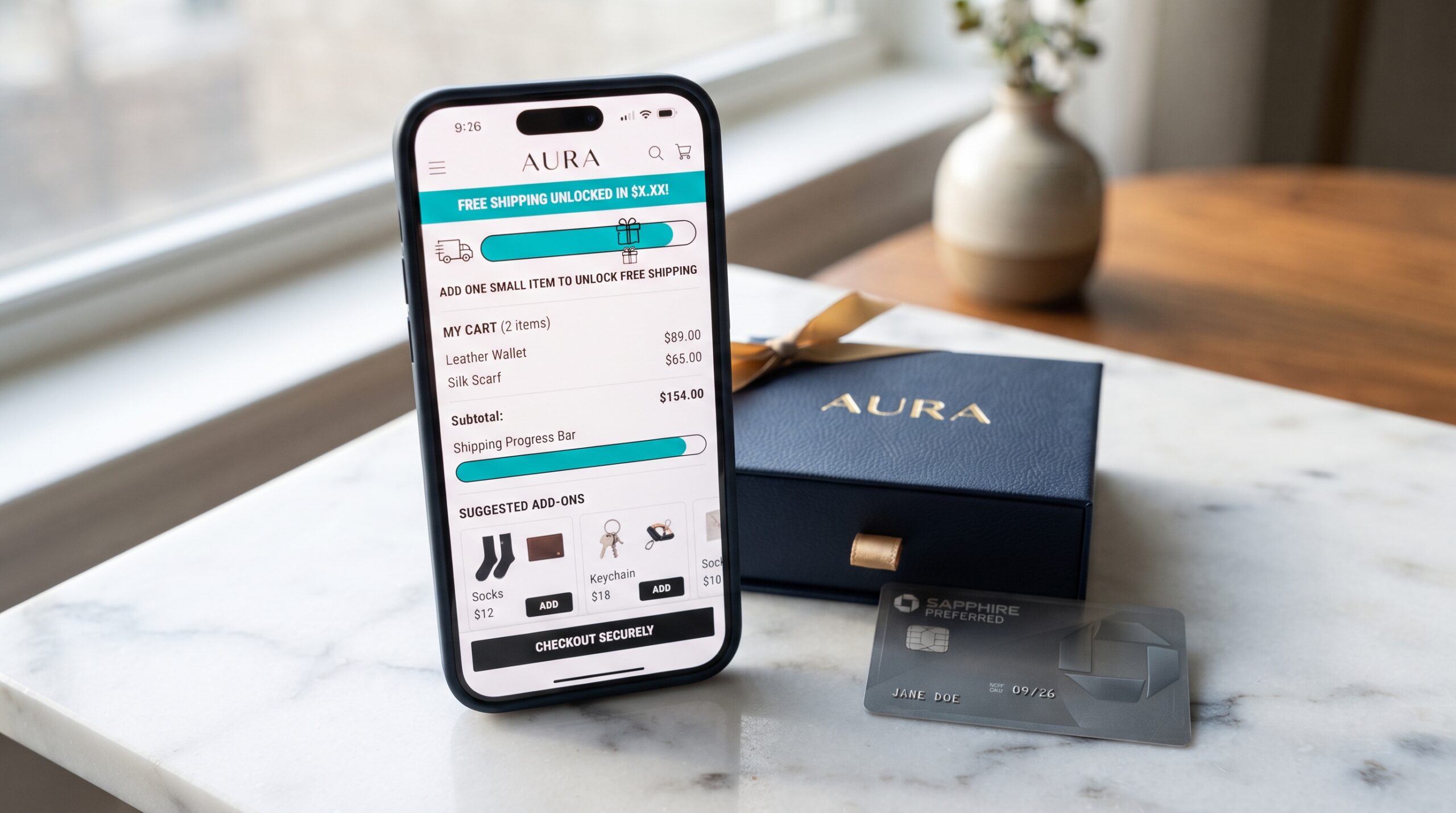



Selling on several platforms does not automatically create a connected shopping experience. A brand may operate through Shopify, Amazon, Walmart, eBay, and physical stores while managing each customer interaction separately. Understanding what is multichannel vs omnichannel helps sellers recognize the difference between expanding their sales presence and connecting the customer journey.
Each approach requires different processes for managing sales channels, customer information, and fulfillment. The right choice depends on where customers shop, how orders are fulfilled, and whether the business can maintain consistent information and service across its channels.
What Is Multichannel vs Omnichannel in Ecommerce?
The main difference between multichannel and omnichannel ecommerce is how sales channels work together.
Multichannel ecommerce means selling through two or more channels, such as a branded website, online marketplaces, social storefronts, or physical retail locations. Each channel can operate independently, although inventory, orders, and product information may still be centrally managed.
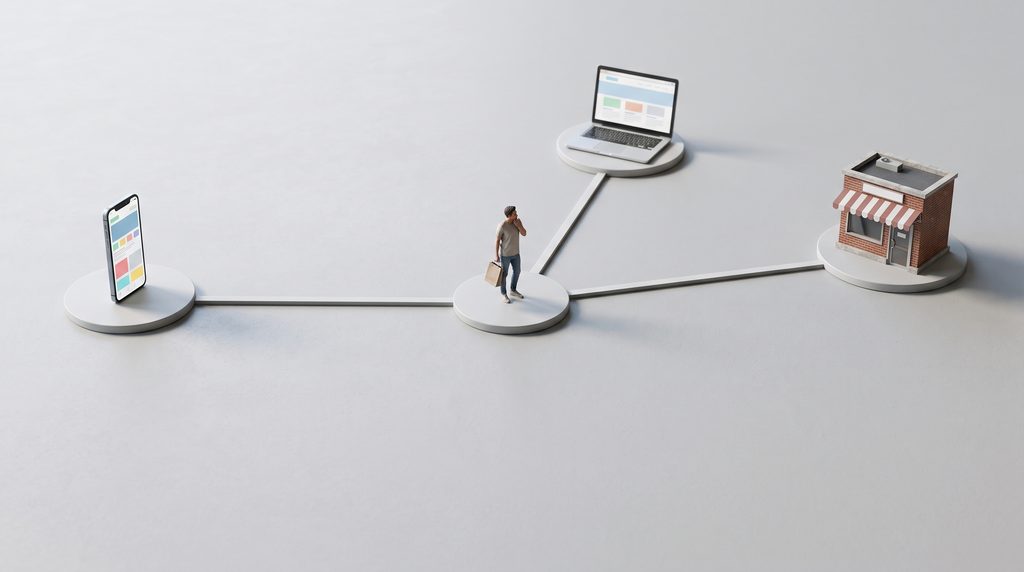
Omnichannel ecommerce takes integration further by connecting customer interactions across those channels. A shopper may discover a product on social media, check availability online, purchase through a website, and collect or return the item at a physical store.
The distinction is not simply the number of channels. Multichannel emphasizes availability across selling locations, while omnichannel emphasizes continuity as customers move between them.
7 Differences Between Multichannel and Omnichannel
For sellers comparing these approaches, the differences become clearer when examining daily business operations. Both models may use the same marketplaces and ecommerce platforms, but they organize customer information, inventory, and service differently.
These seven differences affect how sellers manage their channels and serve customers.
| Comparison | Multichannel | Omnichannel |
| 1. Primary goal | Reach buyers through multiple sales channels | Create a connected shopping experience |
| 2. Customer journey | Each channel may offer a separate experience | Interactions are coordinated across touchpoints |
| 3. Customer information | Records may remain channel-specific | Information is connected where access and permissions allow |
| 4. Inventory visibility | Centralized or separate stock management | Shared availability supports cross-channel services |
| 5. Marketing | Channel-specific promotions and messages | Coordinated messaging informed by customer interactions |
| 6. Fulfillment | Orders follow each channel’s fulfillment setup | Fulfillment options can connect channels and locations |
| 7. Customer support | Service may be handled within each platform | Teams aim for continuity between supported service channels |
Neither model automatically guarantees better sales performance. A well-managed multichannel business can be more profitable than a poorly implemented omnichannel operation.
Follow One Customer Through Both Models
What is multichannel vs omnichannel from the customer’s perspective? The difference becomes apparent when a shopper interacts with the same retailer more than once.
Consider a home-goods brand selling through its website, Amazon, and a physical showroom. A customer discovers a storage organizer online but wants to examine it before purchasing.
The Multichannel Experience
The buyer visits the website, checks the product details, and later visits the showroom. The store may carry the same product, but website inventory and local stock information might not be connected.
If the buyer purchases through Amazon, subsequent support or returns may need to follow Amazon’s procedures rather than the retailer’s direct-store process.
The channels increase purchasing opportunities, but the customer may encounter separate systems, policies, and account histories.
The Omnichannel Experience
In a connected setup, the customer could check showroom availability through the website, reserve the product for pickup, and receive consistent order information throughout the purchase.
If the retailer supports cross-channel returns, the customer may also have more flexible return options.
This experience requires reliable inventory records, connected order information, consistent policies, and systems capable of recognizing supported customer interactions.
Not every marketplace permits unrestricted customer-data sharing or cross-channel returns. An omnichannel strategy must respect those limitations.
Which Selling Model Is Better for Your Business?
The answer depends on operational capacity rather than the number of stores a business operates. Understanding what is multichannel vs omnichannel is useful when deciding whether to prioritize additional selling opportunities or invest in a more connected customer experience.
A business should first identify the problems customers and employees encounter when moving between channels.
Choose Multichannel When Expanding Market Reach
Multichannel selling is often appropriate when the business wants to reach customers on additional marketplaces without introducing complicated cross-channel services.
For example, a seller expanding from Shopify to Walmart may initially need accurate listings, reliable inventory updates, marketplace-compliant fulfillment, and channel-level reporting.
Those improvements can support growth without requiring a shared customer profile across every selling platform.
Consider Omnichannel When Customer Handoffs Matter
Omnichannel capabilities become more valuable when shoppers regularly move between websites, stores, support teams, and fulfillment locations.
Retailers offering buy online, pick up in store, local exchanges, or coordinated loyalty benefits have stronger reasons to connect their customer-facing processes.
However, the additional integration work should address a real customer need. A connected experience is not valuable if its cost exceeds the operational or commercial benefit.
The Operational Foundation Both Models Require
A common misconception is that multichannel businesses must use disconnected systems while omnichannel businesses automatically operate from one platform. In reality, both approaches benefit from centralized operational data.
Ecommerce sellers should establish reliable inventory, order, and product-information workflows before introducing more advanced customer experiences.
Maintain Accurate Product Availability
Customers need dependable stock information regardless of how a business structures its channels. Overselling can create cancellations, delayed orders, and marketplace performance problems.
Shared stock availability by sales channel helps sellers coordinate inventory across connected marketplaces, storefronts, and warehouse locations.
For businesses introducing store pickup or location-based fulfillment, accurate inventory is particularly important because availability directly affects the customer promise.
Coordinate Orders and Fulfillment
A business selling on several platforms needs visibility into incoming orders, shipping deadlines, tracking updates, cancellations, and returns.
A cross-channel order processing system helps operations teams consolidate order activity and apply routing rules without manually checking every seller dashboard.
This supports multichannel efficiency and provides operational groundwork for more connected fulfillment experiences.
Connect the Systems That Share Business Data
Customer-facing coordination becomes difficult when the catalog, inventory platform, storefront, and shipping systems cannot exchange accurate information.
Storefront and marketplace integration helps sellers connect operational data between supported ecommerce platforms.
However, technical integration alone does not establish omnichannel functionality. Customer identity, permissions, store procedures, and service policies must also be considered.
What Can Go Wrong When Moving Toward Omnichannel?
A seller evaluating what is multichannel vs omnichannel should consider the cost of maintaining the more integrated model.
Connecting channels can introduce new dependencies. A delayed inventory update may cause an unavailable product to appear eligible for pickup. Conflicting return policies may confuse customers, while inconsistent account records can prevent support teams from recognizing prior interactions.
Four problems deserve particular attention:
- Disconnected customer records: Teams cannot recognize previous interactions across supported channels.
- Conflicting inventory information: Website availability differs from warehouse or store-level stock.
- Inconsistent service policies: Returns, discounts, and pickup conditions vary without clear explanations.
- Integration maintenance: Changes to connected systems disrupt important customer or order workflows.
These problems should be addressed through clear system ownership, documented processes, and regular testing.
Measure Whether the Added Integration Is Worthwhile
Moving toward omnichannel should produce measurable improvements, not simply more connected software.
Compare conversion, repeat-purchase behavior, service-resolution time, fulfillment accuracy, return handling, and net margin before and after introducing new capabilities.
A seller with no physical locations may find that centralized multichannel operations already satisfy customer expectations. Another retailer may benefit from connecting its website with local inventory and pickup services.
Sellers should prioritize integrations that solve recurring customer-service or fulfillment problems.
Conclusion
What is multichannel vs omnichannel? Multichannel expands where customers can purchase, while omnichannel connects how customers interact with a business across supported channels.
For ecommerce sellers, the best approach starts with dependable product information, inventory accuracy, order processing, and fulfillment. Retailers can introduce services such as store pickup or cross-channel returns when customer demand justifies the investment.
Crazy Vendor helps sellers centralize marketplace listings, inventory, orders, shipping, fulfillment, customer support, and profitability data, providing stronger operational control as their selling channels grow.