








Six shoppers ask whether a lunch container is microwave-safe. Three contact the seller through Amazon, two use the Shopify store’s live chat, and another asks on social media. Every customer receives an answer, but the product descriptions still lack the information.
The seller has answered six questions without fixing the reason customers keep asking.
What is multichannel customer engagement in practice? For ecommerce sellers, it involves answering buyers across different platforms, recognizing recurring concerns, and using that feedback to improve product information and the shopping experience.
Customer engagement is not limited to promotional messages or customer complaints. Buyers also need help comparing products, understanding specifications, checking orders, and using their purchases correctly.

What Is Multichannel Customer Engagement?
Multichannel customer engagement involves interacting with shoppers through different selling and communication channels, including online marketplaces, ecommerce websites, social media, email, and customer support.
These interactions can take place before purchase, during order fulfillment, or after delivery.
Unlike one-way advertising, customer engagement involves customer participation. Buyers ask questions, share opinions, provide feedback, and interact with businesses through channels relevant to their shopping experience.
A shopper might ask an eBay seller about compatibility, contact a Shopify store for sizing advice, or report a missing accessory through a marketplace support system.
Each interaction provides information about what that customer needs.
However, multichannel engagement does not require every platform to share the same customer database. Marketplaces may maintain separate communication records, customer identities, and access restrictions.
Sellers can improve product information and service procedures without combining customer identities across platforms.
A Repeated Product Question Is a Catalog Problem
Return to the lunch-container example.
Before responding, the seller checks the manufacturer’s instructions and confirms whether the product is microwave-safe. The answer is then provided to each customer through the appropriate channel.
Six inquiries about the same product detail suggest that the listing is missing information buyers need before purchasing.
The catalog team can correct the description, add verified usage specifications, and review whether the same detail is missing from other marketplace listings.
This reduces the need for future shoppers to contact support about an answer that should already be available.
For sellers managing large catalogs, the same issue may appear differently across platforms.
An Amazon buyer might ask whether an accessory fits a particular product. An eBay shopper may request dimensions. A Shopify visitor might leave the product page after failing to find the specifications needed to make a purchase.
In each situation, incomplete product information may be preventing a purchasing decision.
Multichannel product listing management helps ecommerce sellers maintain product records and update relevant listing information across connected sales channels.
The customer inquiries indicate which descriptions, specifications, and product images need attention.
Give Each Communication Channel a Clear Purpose
A marketplace customer asking about an existing order has different expectations from someone commenting on a product demonstration.
Sellers should respond according to the customer’s request, the information available, and the communication rules of the platform.
The goal is to provide accurate information without turning every conversation into a sales pitch.
Marketplace Messaging: Resolve Specific Purchase Questions
Amazon, Walmart, and eBay buyers may contact sellers about product specifications, compatibility, delivery, returns, or order problems.
These questions usually require an answer linked to a particular listing or transaction.
For example, a customer asking whether a replacement battery fits a specific device needs verified compatibility information.
The agent should check the model number, SKU, and manufacturer specifications before responding.
If similar questions appear frequently, the catalog team should determine whether compatibility information is missing from the listing.
Branded Websites: Help Shoppers Choose Products
A seller’s ecommerce website may support live chat, product comparison content, buying guides, and permission-based email communication.
Consider a home-office retailer offering several desk sizes.
A customer may need help confirming whether a desk fits a particular room or accommodates multiple monitors.
The website can provide dimensions, product comparisons, and practical setup information to answer those questions.
Customer inquiries can also reveal missing buying-guide content or unclear product descriptions.
Social Media: Identify Questions Behind Product Interest
Social media comments often reveal which product characteristics shoppers notice first.
A demonstration video may attract questions about durability, cleaning instructions, available colors, or replacement parts.
Answering those questions can help interested shoppers evaluate the product.
However, high engagement numbers do not always mean strong purchase intent.
A post with hundreds of reactions may generate fewer qualified inquiries than one with a small audience asking detailed purchasing questions.
Review the subjects customers discuss rather than treating every reaction as an equally valuable result.
Route Recurring Questions to the Team That Can Fix Them
Support agents can answer individual questions, but repeated inquiries often indicate work that belongs to another department.
A business that receives the same question every week should investigate why customers cannot find the information themselves.
Consider four recurring situations:
- Sizing questions: The catalog team checks product measurements, variation labels, and size charts.
- Unclear bundle contents: Product managers verify included items and correct descriptions or images.
- Repeated delivery complaints: Shipping staff investigate dispatch procedures, tracking updates, and carrier performance.
- Damaged products: Warehouse staff review packaging materials, packing instructions, and handling procedures.
Not every issue can be corrected through a listing update.
A delivery complaint may require action from the fulfillment team, while a compatibility question may need a technical specialist.
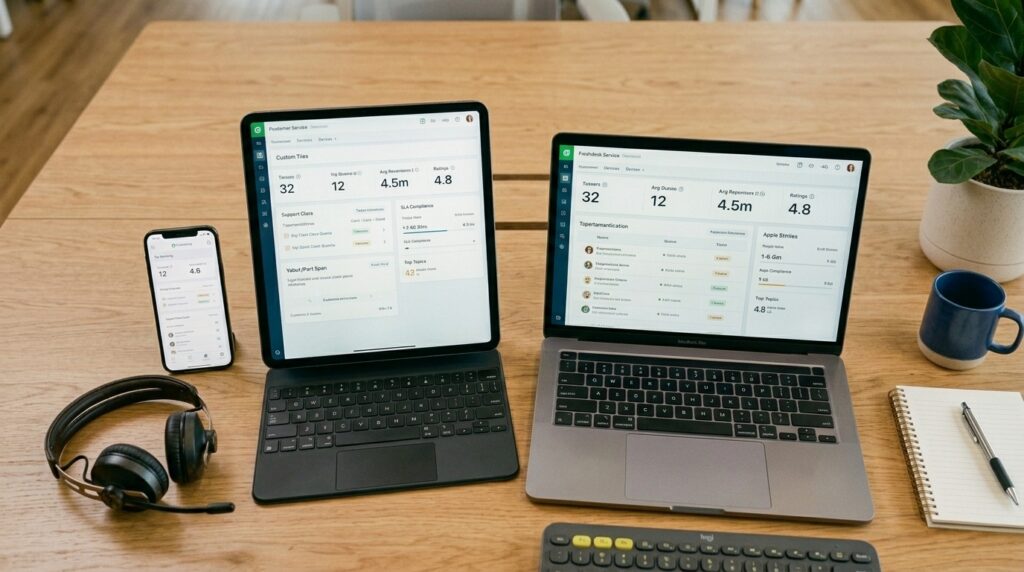
Centralized customer support management helps Crazy Vendor users organize messages from supported sales channels and review relevant order information while handling buyer inquiries.
Support teams should flag repeated problems so catalog, warehouse, and shipping employees can investigate their causes.
Keep Customer Communication Within Marketplace Rules
A business selling through several marketplaces cannot assume that customer contact information collected through one platform can be used elsewhere.
Marketplace order details do not automatically give a seller permission to add buyers to a promotional email list or approach them through unrelated channels.
Amazon restricts buyer-seller communications to permitted purposes and approved communication methods.
Similarly, eBay prohibits unsolicited promotional messages and attempts to move transactions outside its marketplace.
These restrictions matter when businesses try to coordinate engagement across different selling platforms.
For example, a seller should not take an email address obtained through a marketplace transaction and use it to advertise products on its independent website.
Direct-store customers may be contacted through permitted channels according to applicable privacy laws, consent requirements, and marketing regulations.
A practical communication policy should identify which messages are transactional, which are promotional, and which customer records employees are authorized to access.
Customer engagement should remain consistent with the rules of the channel where the interaction occurs.
Measure Whether Customer Interactions Solve Problems
Message volume alone does not indicate whether customers receive useful assistance.
A product generating 80 questions each month might appear to attract substantial engagement. However, if most buyers are asking for information missing from the description, the volume may indicate a catalog problem.
Sellers should examine several measures together.
Product-question frequency by SKU: Track the topics buyers repeatedly ask about. An increase in sizing or compatibility questions may identify incomplete product information.
Repeat contact about the same issue: Determine how often customers need to ask again after receiving an answer. Repeated inquiries can indicate unresolved problems or unclear instructions.
Pre-purchase assistance outcomes: On owned storefronts, permitted analytics may help show whether shoppers who request assistance later complete a purchase. Avoid assuming the interaction caused the sale without further evidence.
Customer feedback patterns: Review recurring comments about product quality, packaging, delivery, and ease of use. Compare themes across channels without attempting to identify customers where that information is unavailable or restricted.
Repeat purchasing behavior: For customer records the business is permitted to analyze, measure purchasing patterns after service interactions. Marketplace reporting restrictions may limit what sellers can reliably compare.
These measures help separate productive interactions from additional messages that increase support workload.
Give Customers Useful Information After Delivery
Buyer questions often continue after an order reaches its destination.
A customer may need assembly instructions, troubleshooting guidance, replacement-part information, or help with a return.
Consider a retailer selling flat-pack storage furniture.
If multiple buyers contact support because they cannot identify the correct screws during assembly, the retailer should examine the printed instructions and product labeling.
Clearer documentation may reduce future support requests.
For customers who purchased through the retailer’s own website, appropriate follow-up information may be provided through permitted communication channels.
Marketplace customers should receive only communications allowed by the applicable platform.
When an issue concerns an order, agents need accurate transaction and shipping information.
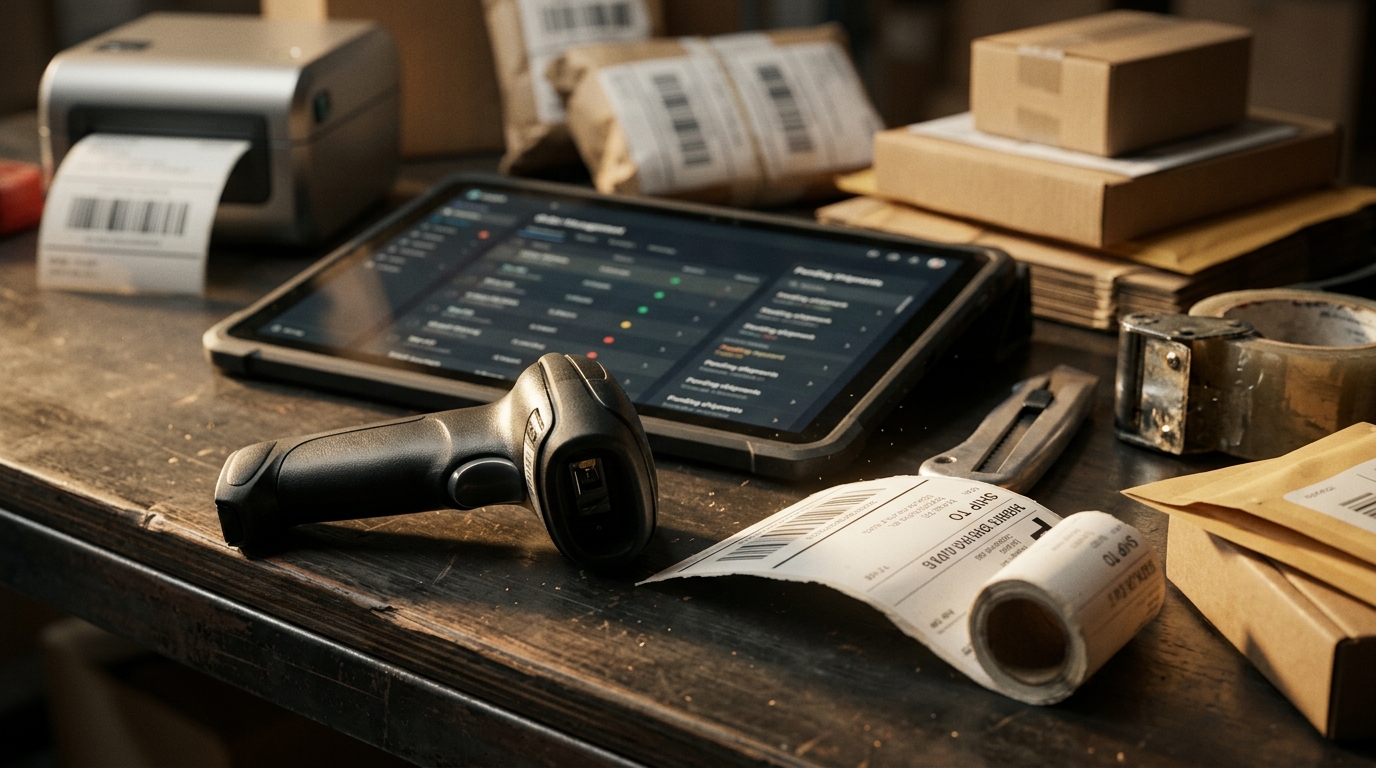
Centralized order management helps Crazy Vendor users review order activity, fulfillment progress, and related return information across connected sales channels.
A buyer asking about a delayed parcel should receive an explanation based on confirmed tracking information. A customer requesting a replacement should receive instructions consistent with the applicable return and replacement policies.
Post-purchase engagement is useful when it addresses an actual customer need, rather than adding unnecessary messages.
Start With Ten Products That Generate the Most Questions
A seller can begin improving customer engagement without changing its entire communication process.
Select ten products that regularly generate buyer inquiries. Use products with recurring questions about specifications, compatibility, delivery, or returns.
Review the available conversations for those products over a defined period, such as the previous 30 days.
Group the questions by their underlying cause.
For each product, identify the change most likely to address the recurring issue.
A seller might correct missing measurements on one listing, add an accurate contents image to another, and revise confusing setup instructions for a third.
Assign each correction to the appropriate employee and record when it was completed.
Over the following weeks, compare the number and type of inquiries with the earlier period.
If compatibility questions decline after a listing correction, that is a useful indication that the update may have addressed an information gap. Changes in order volume or seasonal demand should also be considered.
Continue reviewing products that attract repeated questions.
This gives catalog and operations teams a manageable set of improvements based on problems customers have raised.
Conclusion
What is multichannel customer engagement? It is how ecommerce businesses interact with buyers across different channels and use those interactions to improve product information, purchasing decisions, and post-purchase support.
Sellers should answer customer questions accurately, follow marketplace communication rules, and investigate recurring concerns rather than repeatedly handling the same avoidable problems.
Crazy Vendor helps ecommerce sellers manage customer inquiries alongside relevant order, listing, and operational information across supported sales channels.