


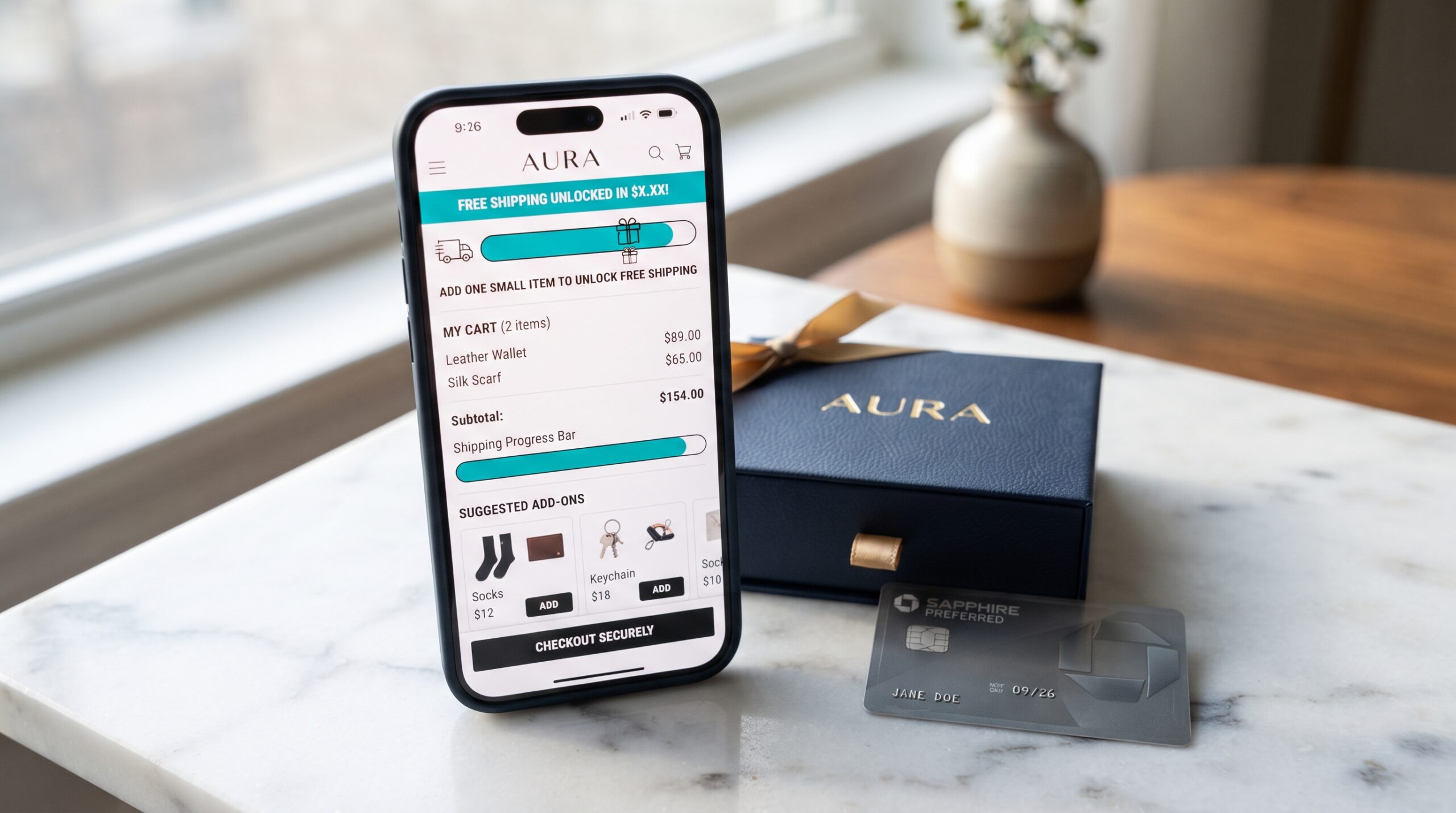






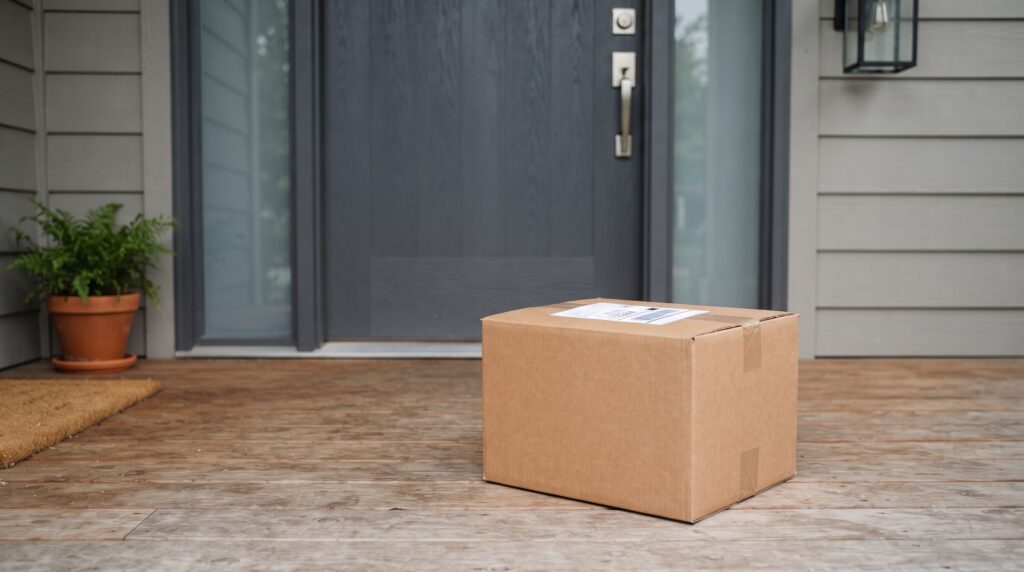
A package can reveal more than a customer expects. The box, sender name, label, packing slip, or product branding may expose what was purchased before the buyer even opens it. What is discreet shipping? It is a shipping approach that uses plain, neutral, or non-revealing packaging and order details so the outside of the parcel does not disclose the product or seller category.
For ecommerce sellers, discreet shipping is not only about privacy. It can also reduce theft risk, protect gift purchases, avoid awkward shared-household deliveries, and make the buying experience feel safer for customers ordering sensitive or high-value products.

What Is Discreet Shipping?
What is discreet shipping in practical ecommerce operations? It means the parcel is prepared so external packaging, labels, return names, and visible documents do not clearly reveal what is inside. The customer should still receive accurate tracking, delivery updates, and return instructions, but the outside of the shipment stays neutral.
Discreet shipping still has to follow normal package delivery requirements. Sellers should never remove legally required markings, customs details, hazardous-material labels, age-verification requirements, or carrier-required information. The goal is privacy, not misleading the carrier or avoiding compliance.
When Discreet Shipping Matters Most
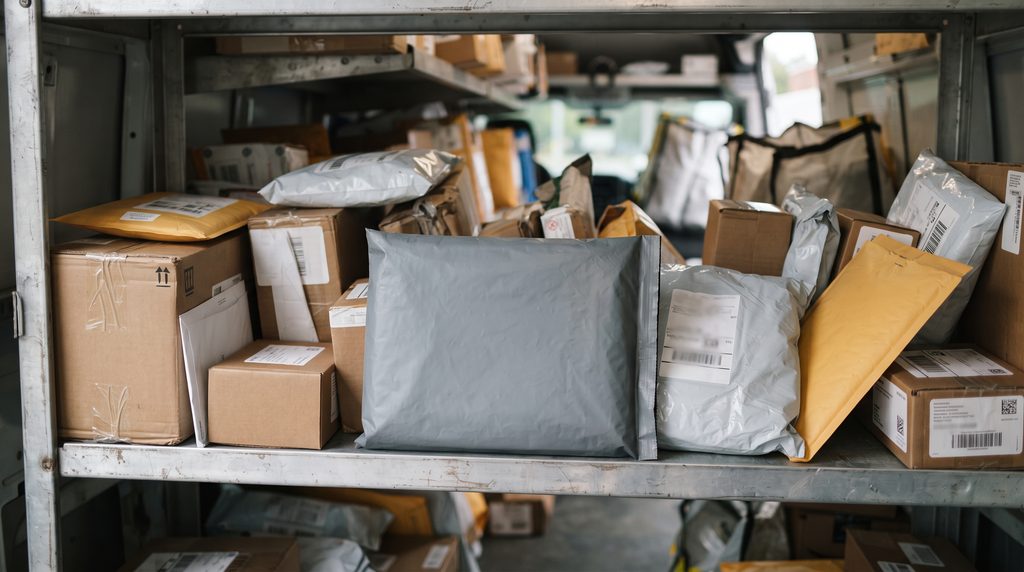
Not every product needs discreet packaging, but some categories benefit from it because customers may care about privacy, security, or surprise. Sellers should decide where discreet shipping is required before orders begin moving through fulfillment.
The clearest use cases involve products that customers would not want identified by neighbors, roommates, office staff, building reception, or porch thieves.
| Situation | Why discreet shipping helps | Operational control needed |
| Privacy-sensitive products | Protects the buyer from unwanted attention | Neutral packaging and sender details |
| High-value products | Reduces visible theft signals | Plain exterior and tracked delivery |
| Gift orders | Keeps the purchase a surprise | No product-revealing labels or inserts |
| Shared delivery addresses | Avoids unnecessary exposure | Generic packing slip and return name |
| Marketplace orders | Keeps channel requirements consistent | Correct shipping service and tracking |
Build the Package From Outside In
A discreet shipping process should begin with the parts of the parcel other people can see. The box, mailer, label, sender name, and documents should be reviewed before the brand designs any customer-facing unboxing experience.
This approach keeps privacy practical because warehouse teams know exactly what can and cannot appear on the outside of the package.
1. Use Plain Boxes or Mailers
Choose plain cartons, bubble mailers, or poly mailers without product images, category words, loud brand marks, or supplier branding. A small return address may still be required, but it should not expose the product type.
Avoid reusing manufacturer boxes if the outside shows product names, model details, or category images.
2. Keep Sender Details Neutral
Discreet shipping can fail when the package itself is plain but the sender name reveals the purchase. Use a business name, fulfillment name, or approved neutral sender format that still supports returns and carrier requirements.
Customer-service teams should also know what name appears on the label so they can answer delivery questions clearly.
3. Review Inserts, Packing Slips, and Return Forms
The outside of the parcel is the priority, but internal paperwork still matters. If a buyer requests discreet shipping, avoid inserts that could create confusion during returns or expose product details if the package is opened by mistake.
Packing slips should include the information needed for order accuracy without unnecessary promotional language.
Connect the Privacy Request to the Order Workflow
What is discreet shipping operationally? It is a fulfillment rule that has to follow the order from checkout to packing, label creation, dispatch, and returns. If the privacy request only lives in a customer note, it can be missed during a busy shipping day.
Sellers should treat discreet shipping as an order condition, not a warehouse preference.
4. Tag Eligible Orders Before Fulfillment
Orders that need discreet handling should be flagged before picking and packing begin. A privacy-aware order workflow helps teams review order status, customer notes, channel rules, cancellations, and exceptions in one place.
This reduces the chance that a discreet shipment is packed with the wrong box, insert, or sender detail.
5. Keep Plain Packaging Materials Available
Discreet shipping depends on having the right packaging supplies ready when orders arrive. If plain boxes, neutral mailers, or approved labels run out, the team may improvise and create inconsistent customer experiences.
Use plain-packaging supply visibility to monitor packaging materials alongside product stock. A product can be available, but still difficult to ship discreetly if the required packaging is missing.
6. Coordinate Tracking Without Revealing the Product
Customers still need tracking, delivery confirmation, and return guidance. The message should be clear enough to support delivery, but it should not include unnecessary product names in subject lines, visible notifications, or shipment references.
A discreet shipping coordination process helps sellers manage labels, carrier details, tracking updates, and shipping activity across active channels.
Test Discreet Shipping Before Promoting It
Before offering discreet shipping widely, test the full workflow with real order scenarios. A privacy promise is only useful if the order, packing station, label, tracking message, and return process all support it.
Sellers should test standard orders, gift orders, marketplace orders, returns, exchanges, and multi-item orders before making the option visible at checkout.
| Test area | What to check | Failure to avoid |
| Product page | Privacy promise is clear but not overpromised | Customer expects impossible concealment |
| Checkout | Discreet option or note is captured correctly | Warehouse never sees the request |
| Packing | Box, mailer, insert, and slip are neutral | Product category is exposed |
| Label | Sender name and return details are approved | Brand or product is revealed |
| Tracking | Customer gets useful updates | Product details appear in notifications |
| Return process | Return instructions remain clear | Customer cannot return the item properly |
A fulfillment-source rule can help sellers decide which warehouse, 3PL, or fulfillment option should handle orders that require specific packaging or privacy steps.
Measure the Errors Customers Will Notice
For sellers asking what is discreet shipping supposed to improve, the main measure is trust. Customers may not praise a plain package when everything goes well, but they will notice quickly if the shipping promise fails.
Track privacy-related support tickets, wrong-packaging incidents, return confusion, reshipments, delivery complaints, and refund requests tied to packaging or shipping communication. Also review whether discreet packaging changes shipping cost, fulfillment time, or damage rate.
A shipping-cost impact review helps sellers check whether special packaging, carrier choices, returns, and reshipments are affecting margin.
Avoid Common Discreet Shipping Mistakes
The first mistake is treating discreet shipping as plain packaging only. The sender name, label text, packing slip, tracking email, return form, and delivery note can all reveal information.
The second mistake is hiding too much. Customers, carriers, customs authorities, and internal teams still need accurate information. Required labels, shipping restrictions, and return instructions must remain clear.
The third mistake is offering discreet shipping without training warehouse and support teams. If staff do not know which products qualify, which packaging to use, or how to handle exceptions, the process will depend on memory instead of a repeatable rule.
Conclusion: Keep the Package Private and the Workflow Clear
What is discreet shipping? It is a controlled shipping method that protects customer privacy by using neutral packaging, careful sender details, appropriate documents, and clear tracking without exposing unnecessary product information. Sellers should build the process into orders, inventory, fulfillment, shipping, and returns instead of treating it as a last-minute packing choice.
Crazy Vendor helps sellers connect orders, inventory, shipping, fulfillment, customer support, and profit reporting so privacy-sensitive shipping workflows can stay organized as order volume grows.