






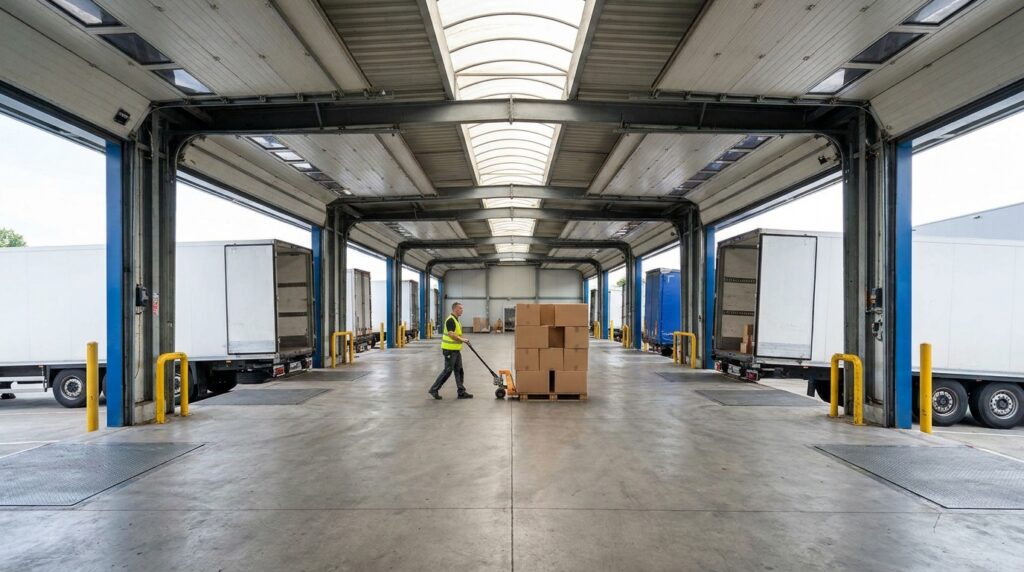
Cross docking is a logistics method where incoming goods are unloaded at a warehouse and moved almost directly onto outbound trucks, with little or no time in storage. Products typically leave within hours, usually the same day. The warehouse acts as a sorting point, not a storage site, which cuts storage and handling costs and shortens delivery time.
This guide explains how cross docking works, the main types, how it compares with traditional warehousing, and when it makes sense for ecommerce and marketplace sellers.
How cross docking works
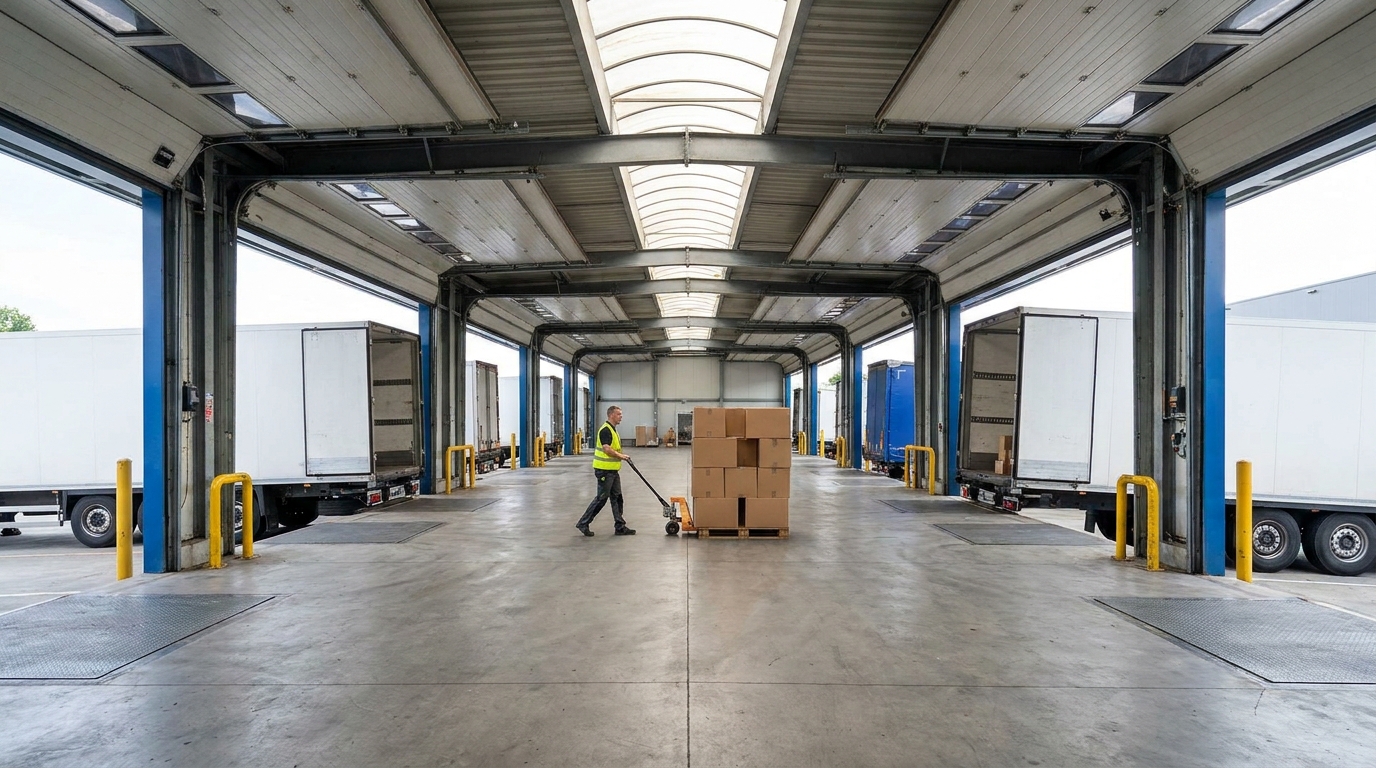
- Inbound trucks arrive at the receiving doors on one side of the building, on a set schedule.
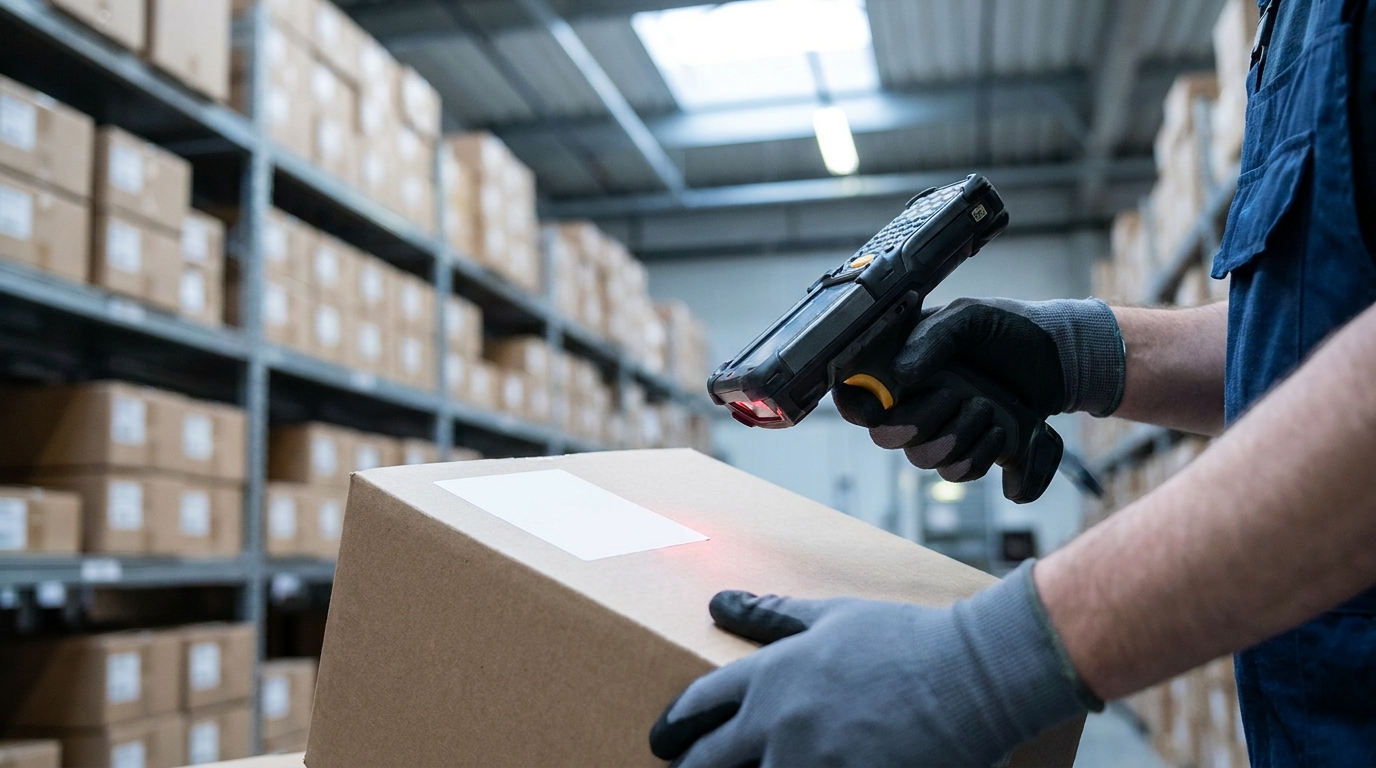
- Goods are unloaded and checked against the shipping notice: product, quantity and condition.
- Goods are sorted by destination. Pallets may stay whole, or be broken down and combined with other products.
- Goods move across the dock to the shipping doors, often on the opposite side of the building. This is where the name comes from.
- Outbound trucks are loaded and leave for stores, fulfillment centers or customers.
A cross-dock warehouse is built for this flow: long and narrow, many dock doors, and very little racking.
Types of cross docking
| Type | What happens | Typical use |
|---|---|---|
| Pre-distribution | The supplier packs and labels goods for their final destination before they arrive. The dock only sorts. | Retail store replenishment |
| Post-distribution | The cross-dock facility decides the destination and sorts or repacks after arrival. | When demand is known late |
| Consolidation | Several small inbound shipments are combined into one full outbound truckload. | Lowering freight cost |
| Deconsolidation | One large inbound shipment is split into smaller outbound shipments. | Import containers going to several locations |
| Continuous | Goods flow straight from inbound to outbound with almost no wait. | Fast-moving or perishable goods |
Cross docking vs traditional warehousing
| Cross docking | Traditional warehousing | |
|---|---|---|
| Time in the building | Hours, usually under a day | Days to months |
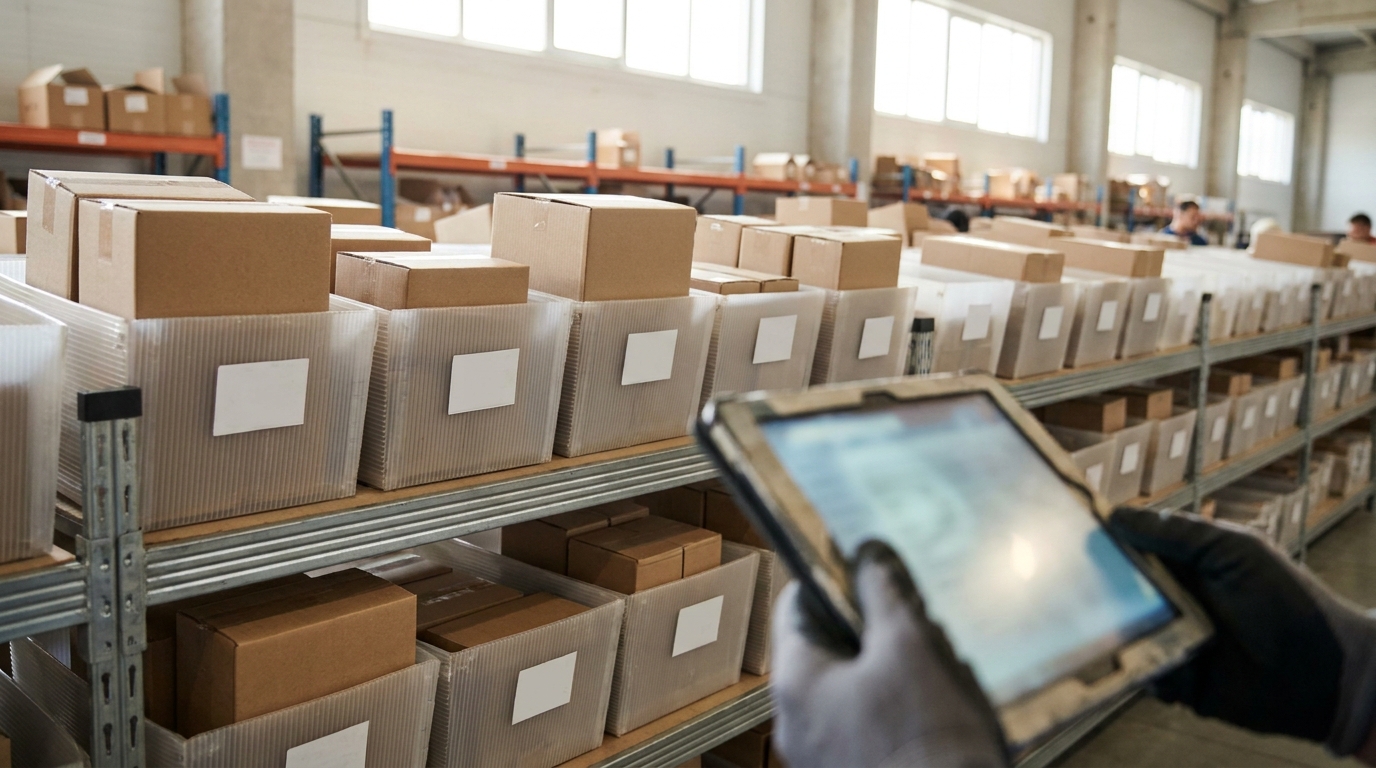
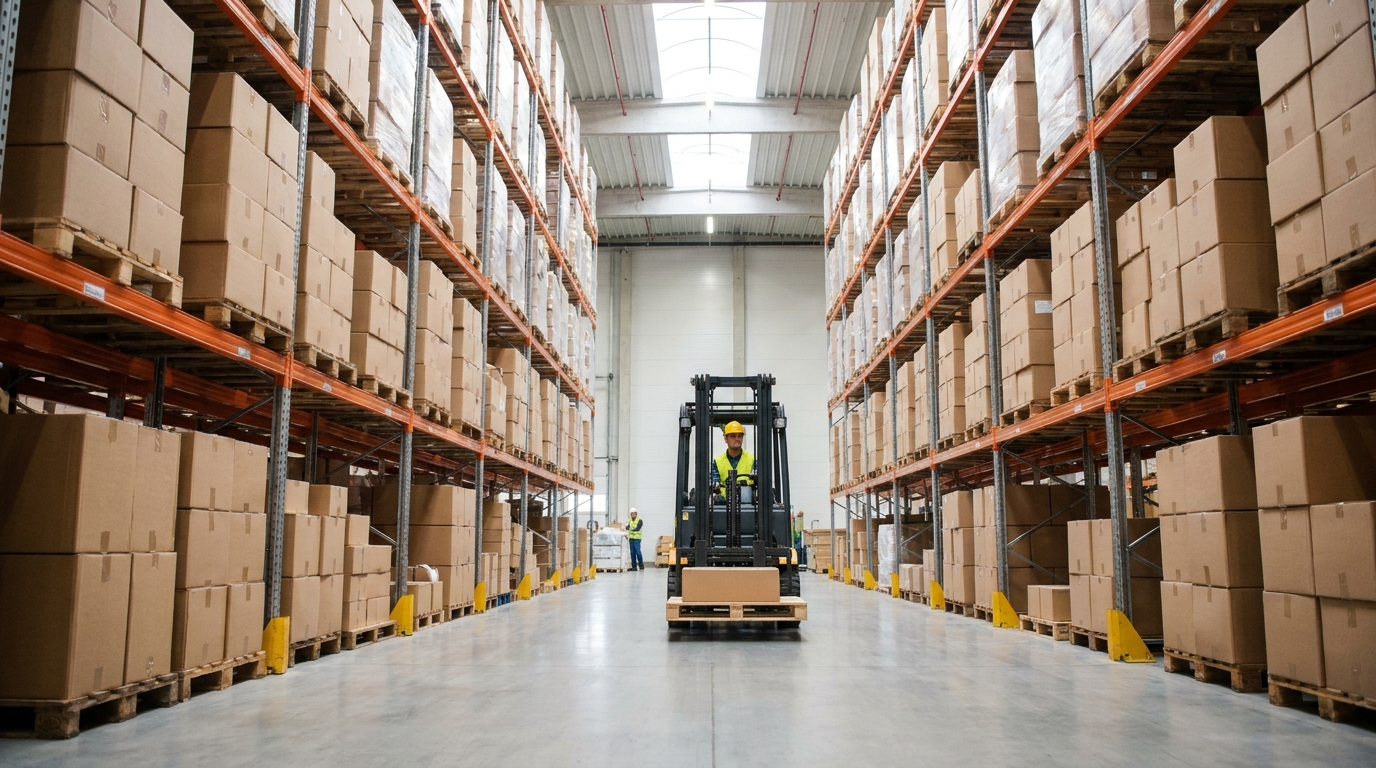
| Storage | Little or none | Racks, shelves and bins |
| Main work | Unload, sort, reload | Put away, store, pick, pack |
| Inventory held | Very low | Safety stock kept on site |
| Planning needed | High. Inbound and outbound must be timed. | Lower. Stock absorbs delays. |
| Best for | Predictable, fast-moving goods | Unpredictable demand and long-tail products |
Benefits of cross docking
- Lower storage cost: you pay for handling, not for months of shelf space.
- Less handling: no put-away and no picking, so fewer touches and less damage.
- Faster delivery: goods spend hours in transit points, not days.
- Lower freight cost: consolidating small shipments fills trucks.
- Less cash tied up in inventory sitting still.
Drawbacks and risks
- It depends on timing. A late inbound truck delays every outbound shipment waiting for it.
- There is no buffer. With no stock on the shelf, a supplier shortage becomes a stockout quickly.
- It needs accurate data: advance shipping notices, labels and barcodes must be right before the truck arrives.
- It suits some products only. Slow sellers and unpredictable items still need storage.
Cross docking for ecommerce and Amazon sellers
Online sellers usually meet cross docking in three situations:
- Import containers. A container arrives at a port-side cross-dock, is split, and the cartons go straight on to Amazon FBA, Walmart WFS or your 3PL without being stored first.
- FBA and WFS inbound. A prep or cross-dock provider receives supplier shipments, applies labels, and forwards them to fulfillment centers in the quantities each one needs.
- Splitting stock between channels. One inbound shipment is divided between your own warehouse, FBA and WFS on the same day.
Cross docking does not replace a fulfillment center. It moves goods to where orders are fulfilled. For the storage and shipping side, see what a 3PL is and Amazon FBA vs 3PL.
When does cross docking make sense?
- Your products sell fast and demand is predictable.
- Goods arrive already labeled and ready to ship onward.
- You ship regularly to the same destinations, such as fulfillment centers.
- Storage fees or aged-inventory fees are a large part of your costs.
- Your suppliers deliver on time and send accurate shipping notices.
Keep stock visible while it moves
Cross docking works only if you know what is arriving, where it is going and what each location has left. Crazy Vendor’s warehouse management and inventory management show stock per location, including FBA, WFS, 3PLs and your own warehouse, and update Amazon, Walmart, eBay, Etsy and Shopify as units move. Plans start at $29/month with a 21-day free trial. See pricing.
Related: inventory forecasting, what is Amazon AWD and what FOB means in shipping.
Frequently asked questions
What is cross docking in simple terms?
It is moving goods from an arriving truck to a departing truck at a warehouse, with little or no storage in between.
How long do goods stay in a cross-dock warehouse?
Usually a few hours, and typically less than 24 hours.
What is the difference between cross docking and warehousing?
Warehousing stores goods until they are ordered. Cross docking only sorts and forwards goods that already have a destination.
Is cross docking the same as transloading?
They are related. Transloading means moving cargo from one type of transport to another, such as from an ocean container to a truck. Cross docking means sorting and forwarding goods between trucks at a dock. A port-side facility often does both.
What products are best for cross docking?
Fast-moving products with steady demand, perishable goods, pre-labeled retail shipments and import containers that need to be split between several destinations.
Updated November 12, 2026.