








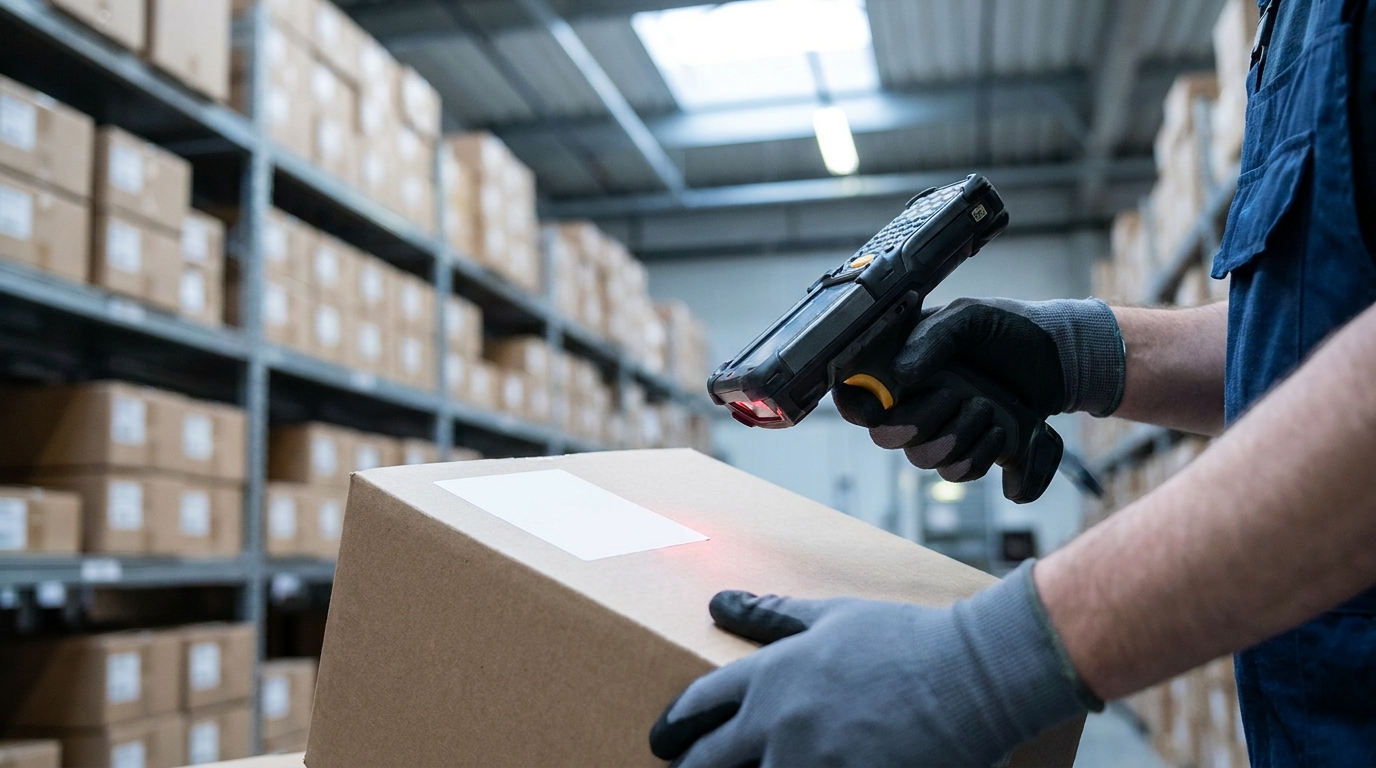


Retail arbitrage means buying products at a low price in retail stores, usually on clearance or sale, and reselling them at a higher price on a marketplace such as Amazon, eBay or Walmart. The profit is the gap between the store price and the online price, after marketplace fees and shipping. It needs little money to start, which is why many Amazon sellers begin this way, but margins are thin and every product has to be checked before you buy it.
This guide explains how retail arbitrage works, how to calculate profit, the rules to know on Amazon, and how it compares with online arbitrage, wholesale and private label.
How retail arbitrage works
- Source. Walk clearance aisles, seasonal markdowns and store closing sales at big-box, discount and drug stores.
- Scan. Scan the barcode with the Amazon Seller app or a scanning app to see the current selling price, fees and how fast the product sells.
- Check you can sell it. Some brands and categories need approval on Amazon. The app shows whether you are allowed to list the item.
- Calculate profit before you buy, using the formula below.
- Buy and keep the receipt.
- List the item on the existing product page, in the correct condition.
- Fulfill. Send stock to Amazon FBA, or ship each order yourself (FBM).
- Track results per product, so you know what to buy again.
How to calculate retail arbitrage profit
Profit = selling price − purchase cost − referral fee − fulfillment cost − inbound shipping and supplies
ROI = profit ÷ purchase cost
Example
| Item | Amount |
|---|---|
| Selling price on Amazon | $29.99 |
| Purchase cost in store, including sales tax | −$12.00 |
| Referral fee, assumed at 15% | −$4.50 |
| FBA fulfillment fee, small standard, 8 to 10 oz (2026 rate) | −$3.68 |
| Inbound shipping and supplies, assumed | −$0.50 |
| Profit per unit | $9.31 |
| ROI | 78% |
The referral fee depends on the category, and the FBA fee depends on size and weight, so check both for each product. FBA fees rise on January 15, 2027: see Amazon FBA fees 2027. Storage fees, returns and price drops are not in this example, which is why many resellers set a minimum profit and ROI before they buy.
Is retail arbitrage legal?
In the United States, reselling a genuine product you bought legally is generally allowed. What matters in practice is each marketplace’s rules:
- Brand and category restrictions. Amazon limits who can sell certain brands and categories. You may need approval before listing.
- Proof of purchase. Amazon can ask for invoices to confirm products are authentic. A retail store receipt may not be accepted, especially for restricted brands.
- Condition. List items in the condition they are really in. Damaged packaging or missing seals mean the item is not “New”.
- Complaints from brands. A brand can report a listing if it believes a product is not authentic or differs from what it sells.
- Sales tax. Many resellers use a resale certificate so they don’t pay sales tax on stock they will resell. Rules vary by state.
This is general information, not legal or tax advice. Check Amazon’s current policies in Seller Central and ask an accountant about sales tax in your state.
Retail arbitrage vs other ways to source products
| Model | Where you buy | Money needed to start | Scalability | Main risk |
|---|---|---|---|---|
| Retail arbitrage | Physical stores | Low | Low. Limited by your time and local stock. | Restricted brands, price drops |
| Online arbitrage | Retail websites | Low | Medium | Same as retail arbitrage, plus shipping delays |
| Wholesale | Brands and distributors, in bulk | Medium | High | Minimum orders, competition on the same listing |
| Private label | A manufacturer, under your own brand | High | High | Unsold inventory, launch cost |
Pros and cons
- Pros: low starting cost, no minimum orders, fast to test, and it teaches you fees, listings and fulfillment on real products.
- Cons: time spent in stores, no repeatable supply, prices that fall when other resellers find the same deal, and more account risk on restricted brands.
Tips for retail arbitrage on Amazon
- Set buying rules, for example a minimum profit per unit and a minimum ROI, and stick to them.
- Check sales history, not just today’s price. A product that rarely sells ties up cash.
- Count the other sellers. If Amazon itself or many sellers are on the listing, the price is more likely to fall.
- Start with a few units of each product, and buy more only after it sells.
- Keep every receipt and record cost per unit.
- Choose FBA or FBM per product. See FBA vs FBM.
- List on more than one marketplace when a product is restricted or crowded on Amazon.
Track profit and stock across marketplaces
Arbitrage means many products, each bought at a different cost and often sold on more than one channel. Crazy Vendor’s Profit Analytics shows profit per order and per SKU after marketplace fees, shipping and cost of goods across Amazon, Walmart, eBay, Etsy and Shopify, and inventory management keeps stock in sync so the same unit is not sold twice. Crazy Vendor’s mobile app also scans barcodes in physical stores to evaluate products for resale on Walmart. Plans start at $29/month with a 21-day free trial. See pricing.
Related: how to resell on Amazon, how to calculate profit margin and what is a SKU.
Frequently asked questions
What is retail arbitrage?
It is buying discounted products in retail stores and reselling them online at a higher price, keeping the difference after fees and shipping.
Is retail arbitrage allowed on Amazon?
Reselling is allowed, but Amazon restricts some brands and categories, can ask for invoices and expects the condition to be accurate. Check each product in the Amazon Seller app before buying.
How much money do I need to start retail arbitrage?
There is no fixed amount. You need enough to buy your first products, plus the Amazon selling plan: $0.99 per item sold on the Individual plan or $39.99 a month on the Professional plan.
What is the difference between retail arbitrage and online arbitrage?
Retail arbitrage sources from physical stores. Online arbitrage sources from retail websites and has the products shipped to you or to a prep center.
Is retail arbitrage still worth it?
It can work as a low-cost way to start and learn, but it is hard to scale. Many sellers use it first and move to wholesale or private label later.
Updated November 12, 2026. Amazon policies and fees change, so confirm current rules in Seller Central.