







FBA (Fulfillment by Amazon) means Amazon stores, packs and ships your products and handles customer service and returns. FBM (Fulfilled by Merchant) means you keep the inventory and ship each Amazon order yourself or through a 3PL. FBA gives you the Prime badge and a hands-off operation in exchange for per-unit fulfillment and storage fees. FBM gives you control and avoids FBA fees, but you carry the shipping cost and the work. Many sellers use both, product by product.
This guide compares the two side by side and shows how to decide for each product. It follows Amazon’s own guide, Amazon FBA vs FBM, and its Fulfilled by Merchant page, checked on November 11, 2026.
What FBA and FBM mean
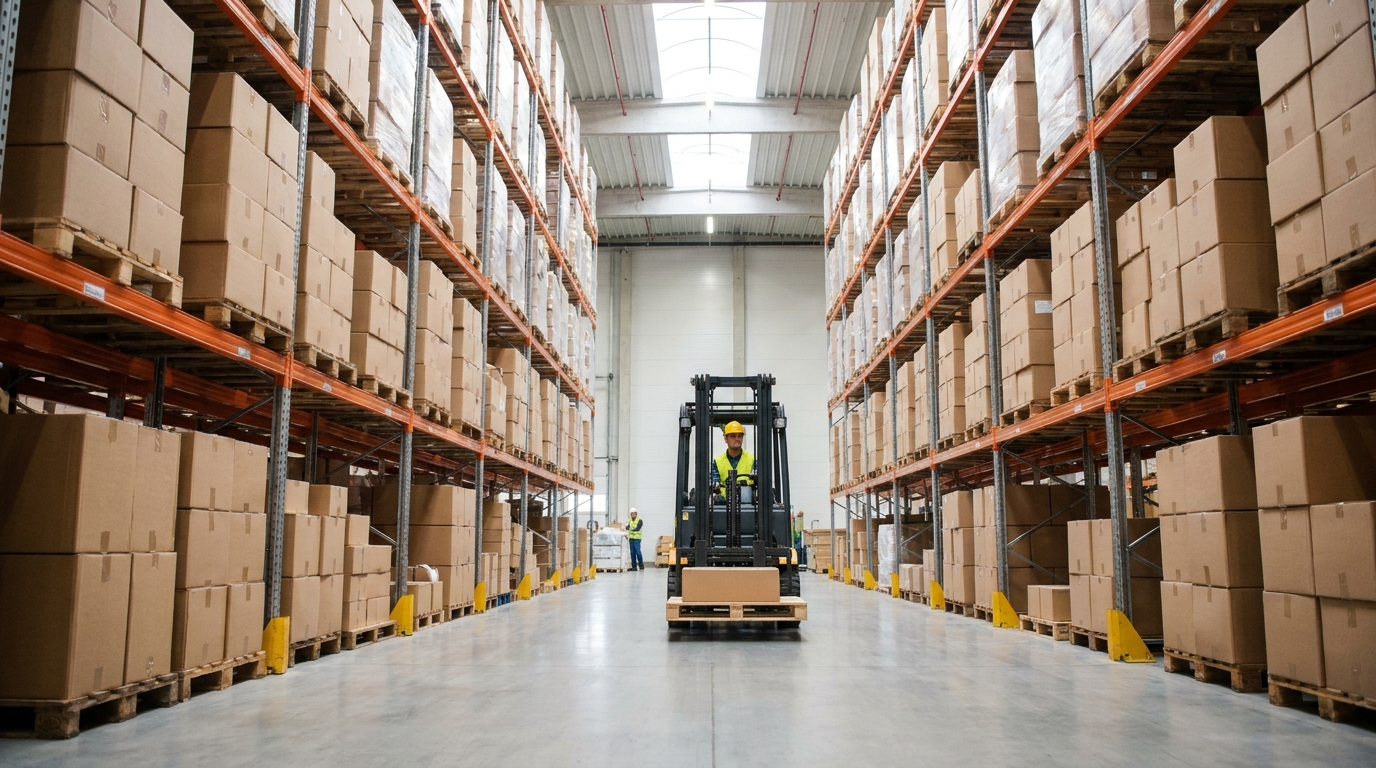
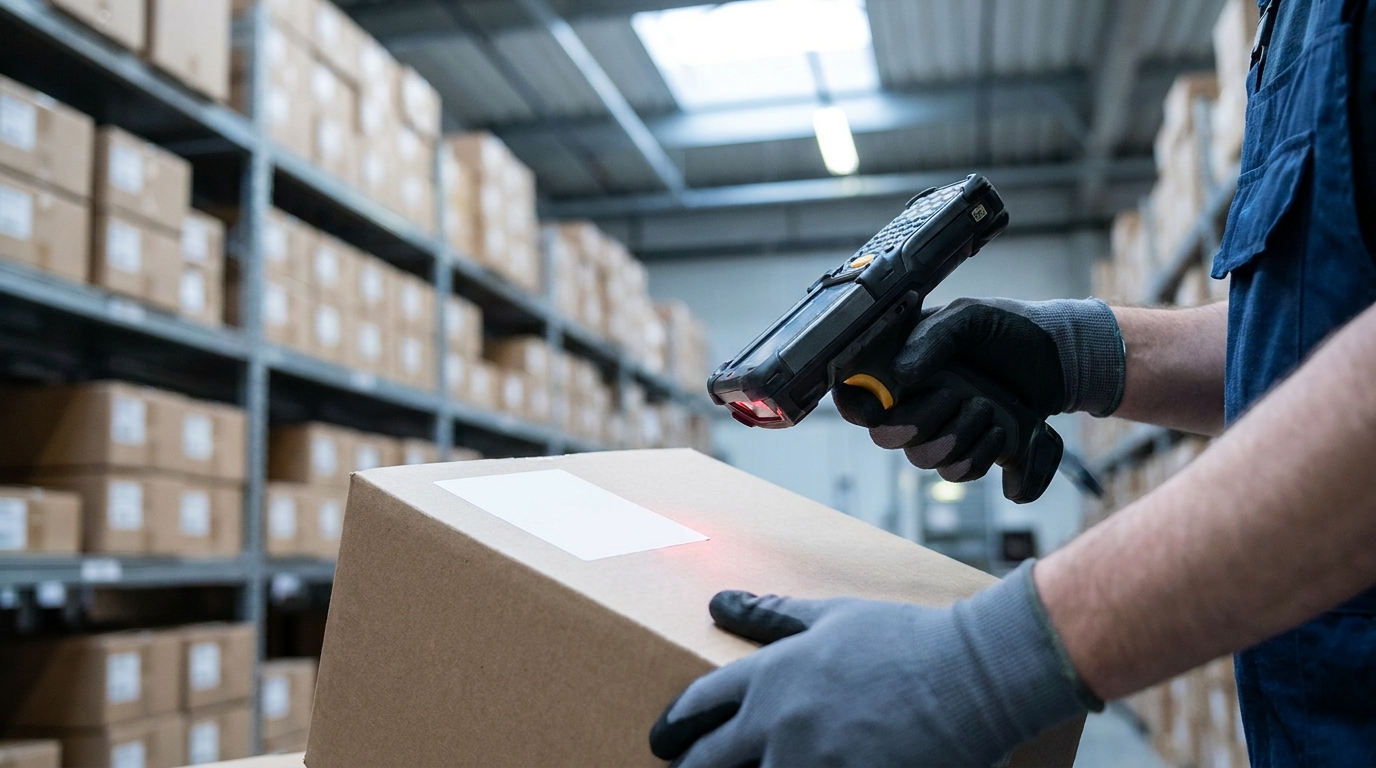
- FBA: you send inventory to Amazon’s fulfillment centers. Amazon picks, packs, ships, answers customers and processes returns. Your offers are eligible for Prime.
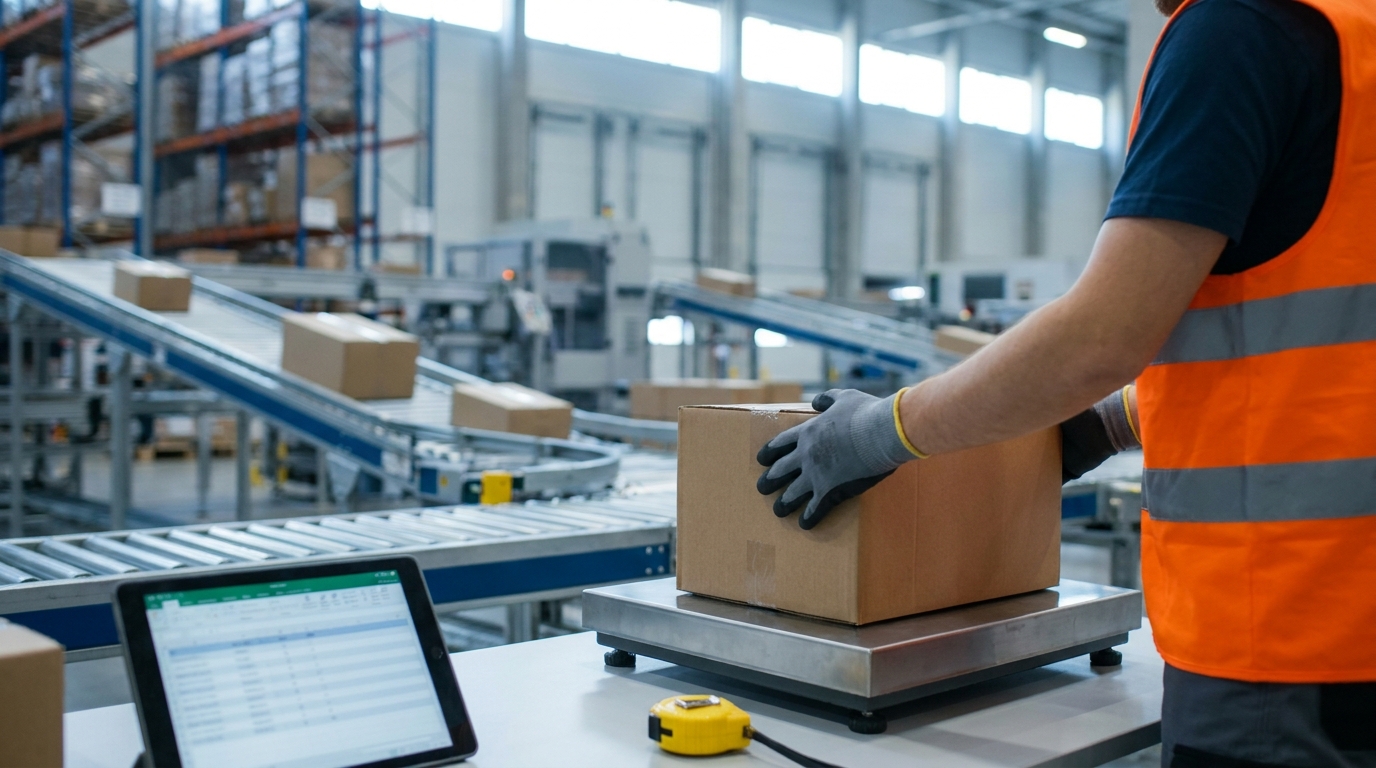
- FBM: you list on Amazon but fulfill from your own facility, home or a 3PL. You handle delivery, customer messages and returns. FBM is sometimes called MFN, for Merchant Fulfilled Network.
FBA vs FBM at a glance
| FBA | FBM | |
|---|---|---|
| Who stores the inventory | Amazon | You or your 3PL |
| Who packs and ships | Amazon | You or your 3PL |
| Customer service and returns | Amazon | You |
| Prime badge | Yes | Only through Seller Fulfilled Prime |
| Fulfillment cost | FBA fulfillment fee per unit, by size and weight | Your own postage, packaging and labor |
| Storage cost | Amazon monthly storage, plus aged and low-inventory fees where they apply | Your own space or 3PL storage |
| Product restrictions | FBA product restrictions apply | No FBA restrictions |
| Packaging and inserts | Amazon packaging | Your own |
| Access to stock | Removal order needed | Any time |
The selling plan ($39.99 per month for Professional, or $0.99 per item on Individual) and the referral fee on each sale are the same with either method. What changes is everything after the sale.
FBA vs FBM costs
FBA costs
FBA is pay-as-you-go. Amazon charges a fulfillment fee per unit based on size tier, shipping weight and price, plus monthly storage. For example, a small standard-size product priced $10 to $50 that ships at 4 to 6 oz pays $3.45 per unit in 2026 and $3.92 from January 15, 2027, plus a 3.5% fuel and logistics surcharge. Full tables are in our Amazon FBA fees 2027 guide.
FBM costs
With FBM there is no Amazon fulfillment fee. Your cost is postage, packaging, labor and storage. Amazon says its pre-negotiated Buy Shipping rates average over 31% below retail ground rates for UPS, FedEx and USPS, so you don’t need your own carrier contract to start.
How to compare for one product
- Open Amazon’s free Revenue Calculator in Seller Central.
- Find your product or enter its size, weight and price.
- Enter your real FBM costs: postage, box, packing time and storage.
- Compare the net profit per unit for FBA and for your own fulfillment.
When FBA is the better choice
- Small, light products that sell quickly.
- Products where the Prime badge clearly lifts conversion.
- You don’t have space or staff to ship daily.
- You want Amazon to handle customer service and returns.
When FBM is the better choice
- Heavy, bulky or oversized items where FBA fees are high.
- Slow or seasonal sellers that would build up storage and aged-inventory fees.
- Products FBA restricts, or that need special handling or temperature control.
- Custom, personalised or made-to-order items.
- Low-margin products where you can ship more cheaply yourself.
- Stock you also sell on other channels and want in one place.
Using both, plus Seller Fulfilled Prime
Amazon lets you mix the two. A common setup is FBA for fast movers and FBM for everything else, with an FBM offer as backup on FBA products so the listing stays live when FBA stock runs out.
Seller Fulfilled Prime (SFP) puts the Prime badge on orders you ship yourself. Amazon lists three steps to qualify: have a Professional selling account, pre-qualify by meeting performance requirements, and complete a 30-day trial.
If you hold stock in FBA and also sell on Walmart, eBay or your own store, Amazon MCF can ship those orders from the same inventory. If you would rather outsource FBM, see what a 3PL is and Amazon FBA vs 3PL.
Run FBA and FBM from one place
Mixing FBA and FBM only works if stock and orders stay in sync. Crazy Vendor’s order management brings FBA and FBM orders into one list, routes each order to FBA, your own warehouse or a 3PL, and buys labels through shipping management. Inventory updates across Amazon, Walmart, eBay, Etsy and Shopify after every sale, and Profit Analytics shows which fulfillment method earns more per product. Plans start at $29/month with a 21-day free trial. See pricing.
Related: how to start Amazon FBA and what is an ASIN.
Frequently asked questions
What does FBM mean on Amazon?
FBM means Fulfilled by Merchant. The seller stores the product and ships each order to the customer directly or through a 3PL, instead of using Amazon’s fulfillment centers.
Is FBA or FBM better?
Neither is better for every product. FBA usually wins for small, fast-selling items that benefit from Prime. FBM usually wins for heavy, slow, custom or restricted products. Compare net profit per unit in Amazon’s Revenue Calculator.
Is Amazon FBM free?
There is no FBM fulfillment fee, but you still pay the selling plan and the referral fee on each sale, plus your own shipping, packaging and storage costs.
Can I use FBA and FBM at the same time?
Yes. Amazon allows one method for all products or a mix, and you can even have an FBA offer and an FBM offer on the same product.
Can FBM sellers get the Prime badge?
Yes, through Seller Fulfilled Prime. You need a Professional selling account, must meet Amazon’s performance requirements and complete a 30-day trial.
Last checked against Amazon’s seller resources on November 11, 2026. FBA fees change every year, so confirm current rates in Seller Central.