


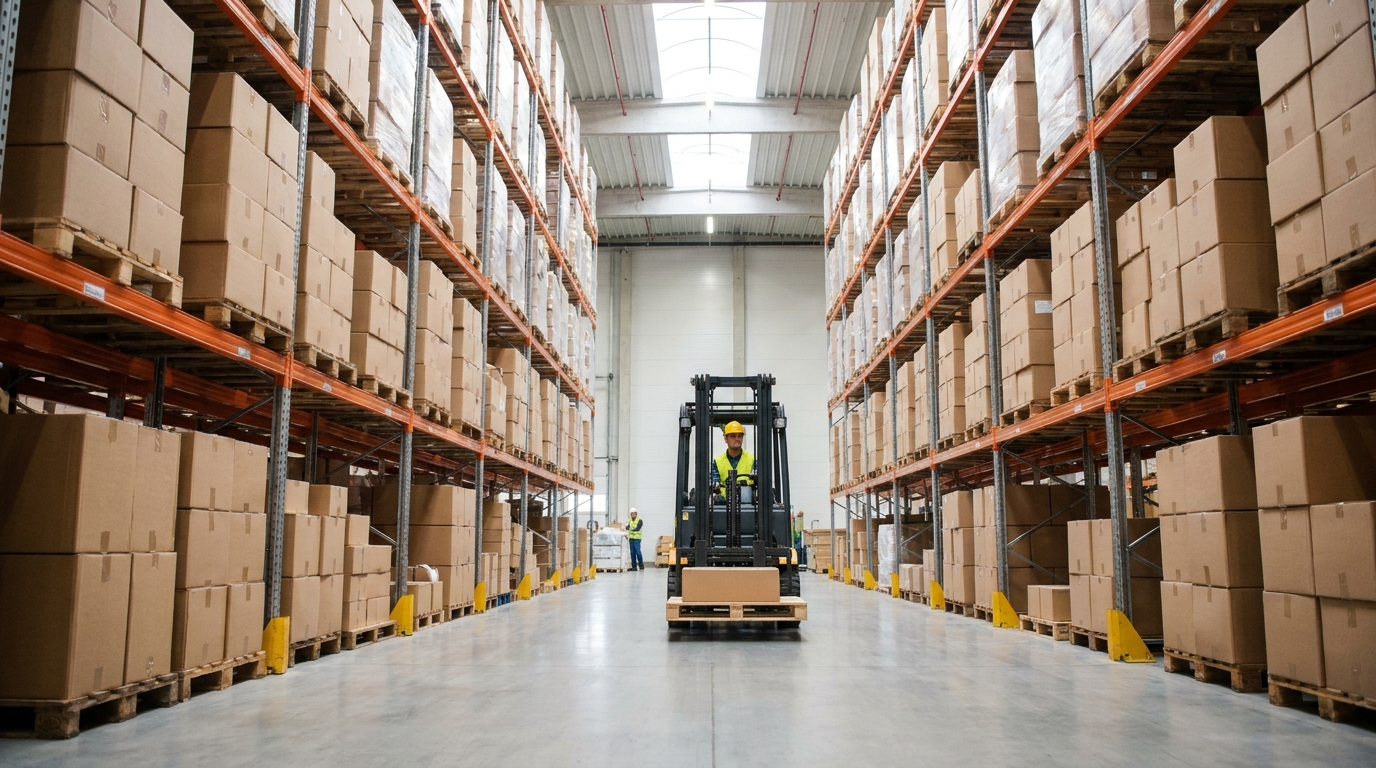




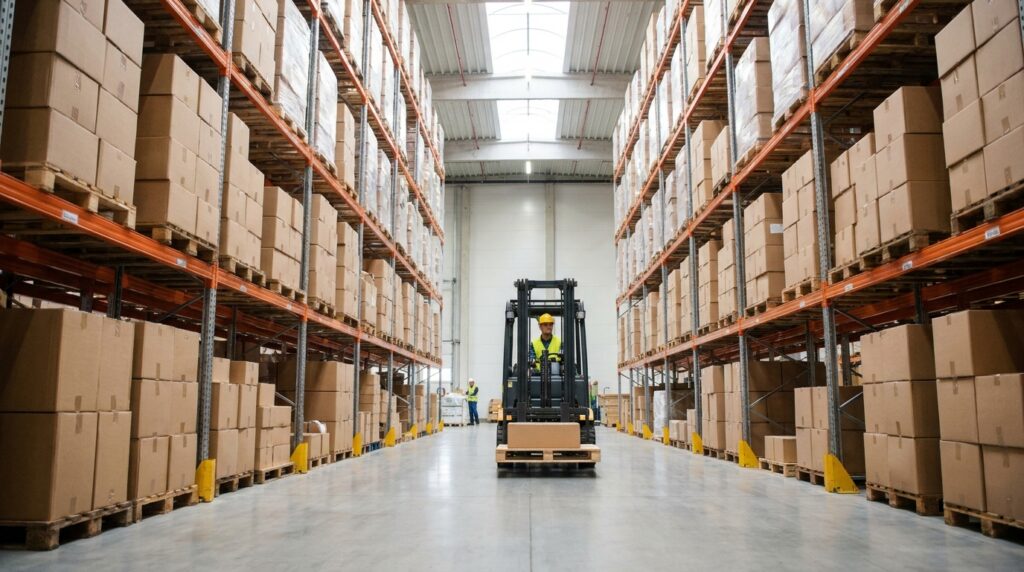
A 3PL (third-party logistics provider) is a company that stores your inventory and picks, packs and ships your orders for you. You send your products to the 3PL’s warehouse, your store or marketplace sends it each order, and the 3PL delivers to the customer and usually handles returns. You still own the stock and the customer relationship. The 3PL does the physical work.
This guide explains what 3PL means, how it works for ecommerce and Amazon sellers, what it costs, how it compares with Amazon FBA and doing it yourself, and how to choose one.
3PL meaning: who are the three parties?
- First party: you, the seller who owns the product.
- Second party: the customer who buys it.
- Third party: the logistics company that handles storage and delivery between the two.
You may also see 3PL written as “third-party logistics”, “third-party fulfillment” or “fulfillment center”. In ecommerce they usually mean the same service.
How a 3PL works, step by step
- Receiving. You or your supplier ship inventory to the 3PL’s warehouse. The 3PL counts it and puts it on shelves.
- Storage. Your stock stays there until it sells. You pay for the space it uses.
- Order import. Orders from your sales channels reach the 3PL through an integration, so nobody types them in by hand.
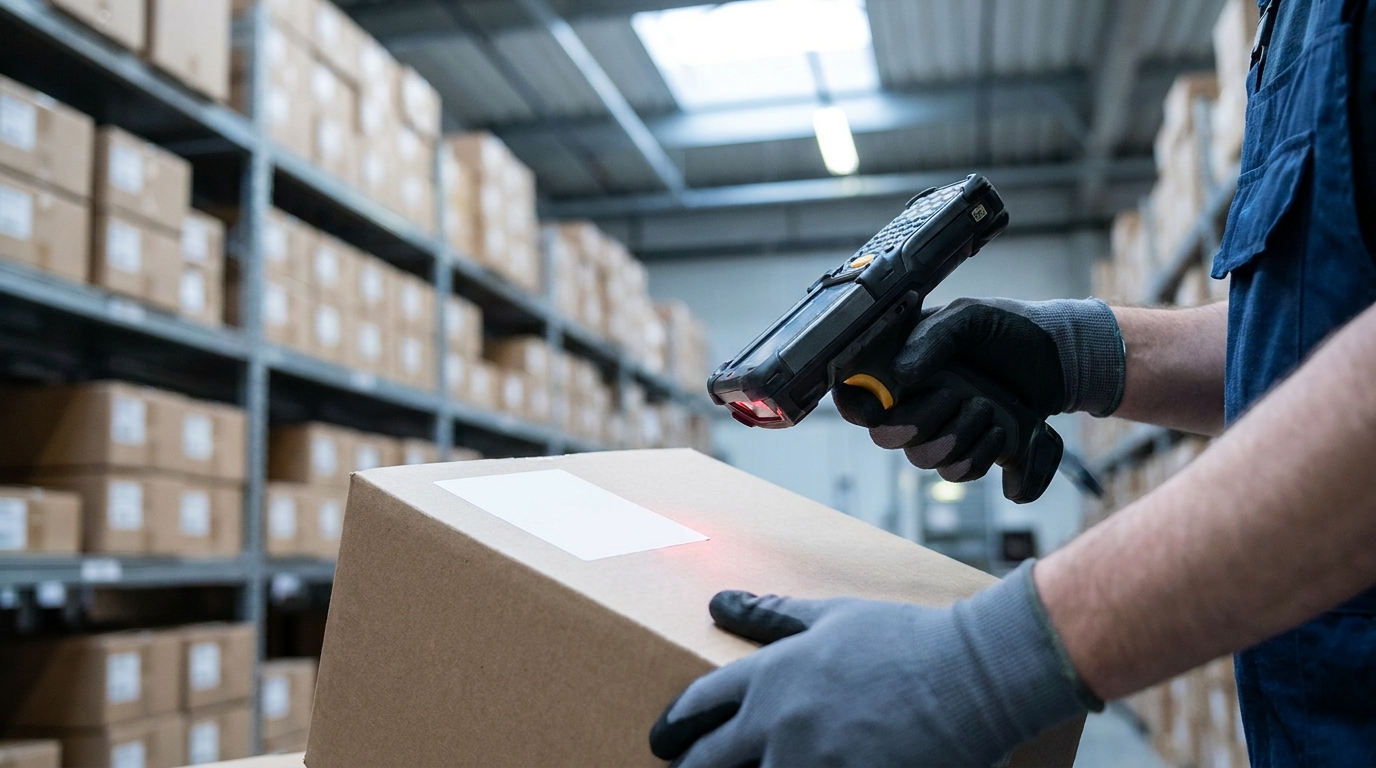
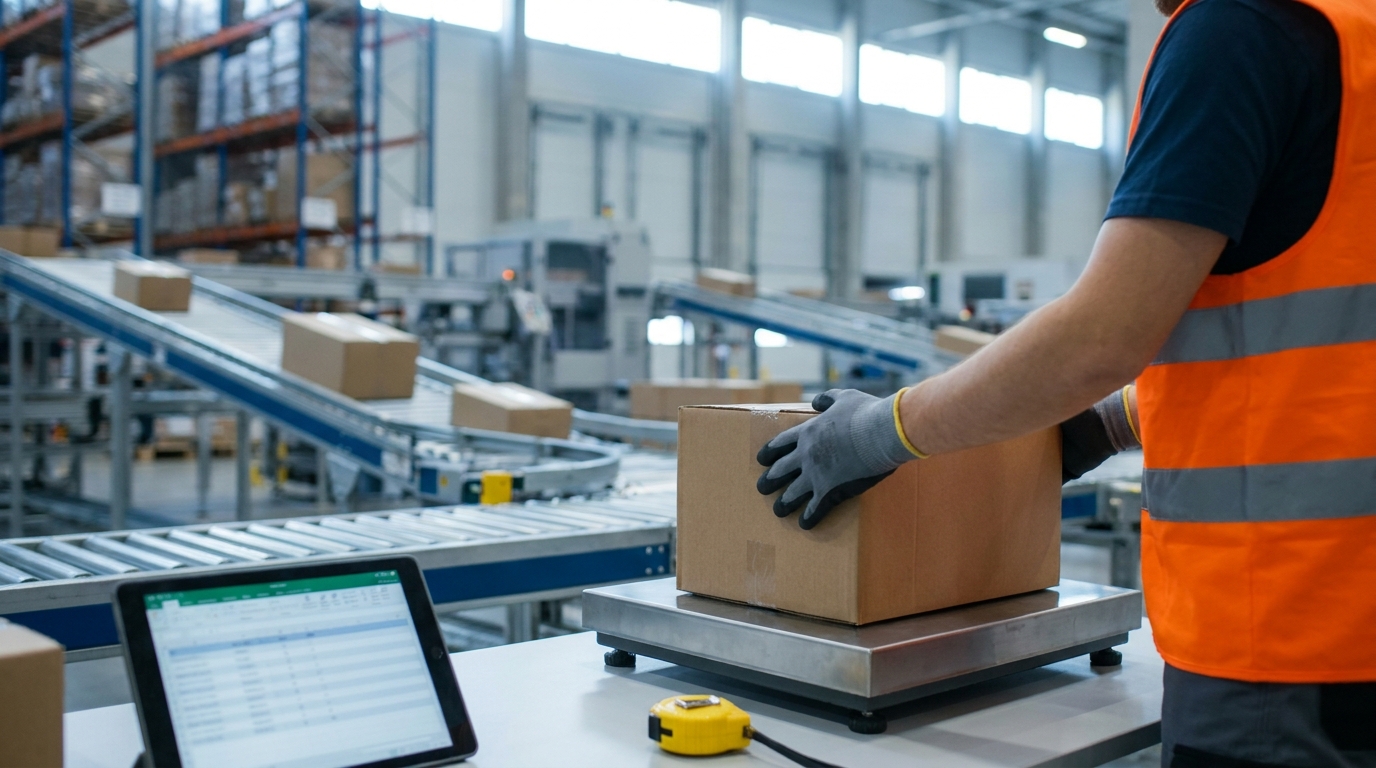
- Pick and pack. Warehouse staff pick the items, pack them and add any inserts you asked for.
- Shipping. The 3PL buys the label, usually at its own negotiated carrier rates, and hands the parcel to the carrier.
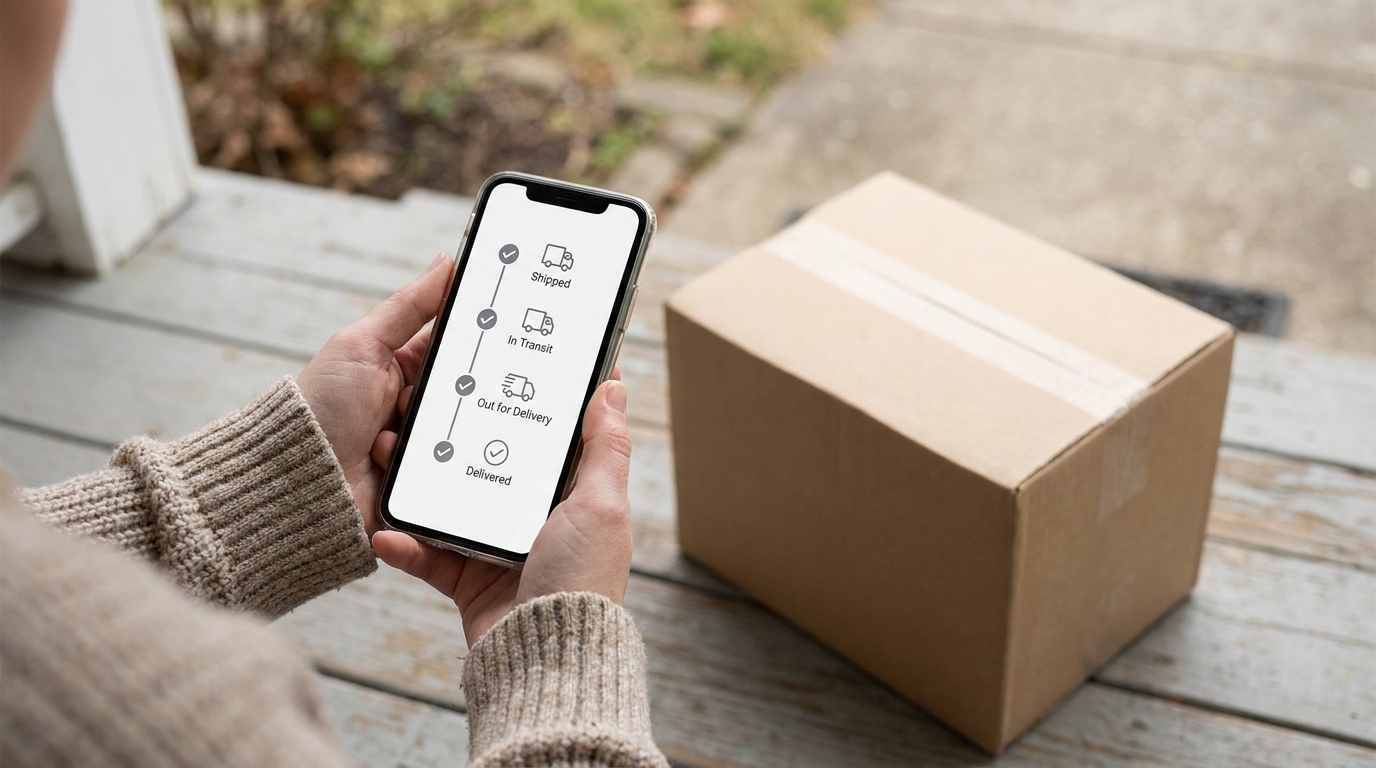
- Tracking. The tracking number is sent back to the sales channel and the customer.
- Returns. Returned items go back to the 3PL, which inspects and restocks or disposes of them according to your rules.
What does a 3PL charge for?
Every 3PL prices differently, so ask for a full rate card. These are the usual fee types:
| Fee type | What it covers | How it is usually charged |
|---|---|---|
| Onboarding or setup | Opening your account and connecting your channels | One-time |
| Receiving | Unloading, counting and shelving inbound stock | Per hour, per pallet or per unit |
| Storage | The space your inventory takes | Per pallet, shelf, bin or cubic foot, per month |
| Pick and pack | Picking items and packing each order | Per order plus per extra item |
| Shipping | Carrier postage | Per parcel, by weight, size and zone |
| Returns | Receiving and checking returned items | Per return |
| Special projects | Kitting, labeling, FBA prep | Per unit or per hour |
| Monthly minimum | A minimum spend if your volume is low | Per month |
3PL vs Amazon FBA vs doing it yourself
| 3PL | Amazon FBA | Self-fulfillment | |
|---|---|---|---|
| Who ships | The 3PL | Amazon | You |
| Prime badge on Amazon | Only through Seller Fulfilled Prime | Yes | Only through Seller Fulfilled Prime |
| Orders from other channels | Yes, any channel | Through Amazon MCF, at separate fees | Yes |
| Your own packaging and inserts | Usually yes | Limited | Yes |
| Storage rules | Set by your contract | Amazon’s limits, aged-inventory and low-inventory fees | Your own space |
| Best for | Multichannel sellers and products FBA handles poorly | Fast-selling Amazon products | Low volume, custom or fragile products |
For a deeper comparison see Amazon FBA vs 3PL and FBA vs FBM.
Using a 3PL for Amazon
Amazon sellers use a 3PL in three main ways:
- To fulfill Amazon orders directly (FBM). The 3PL ships your merchant-fulfilled orders, which suits oversized, slow-moving or restricted products.
- As a backup and overflow warehouse. Bulk stock sits at the 3PL and is sent to FBA in smaller shipments, which helps with FBA storage limits and aged-inventory fees.
- For FBA prep. The 3PL labels, bundles and packs units to Amazon’s requirements before they go to fulfillment centers.
When is it time to use a 3PL?
- Packing orders takes hours you need for sourcing, listings and marketing.
- You have run out of space at home or in your own unit.
- You sell on several channels and want one stock pool for all of them.
- Shipping from one location makes delivery slow or expensive for part of the country.
- Your sales are seasonal and you don’t want a year-round warehouse lease.
How to choose a 3PL
- Check integrations first. It must connect to every channel you sell on and return tracking automatically.
- Look at warehouse locations against where your customers are.
- Get the full rate card, including minimums, receiving and returns, and price a typical order with it.
- Ask about order cut-off times and accuracy guarantees, and what happens when they miss them.
- Confirm marketplace compliance, such as FBA prep standards and Walmart shipping requirements.
- Read the contract for minimum terms and how you get your inventory out.
Connect your 3PL to every sales channel
A 3PL works best when orders, stock and tracking move automatically. Crazy Vendor’s multi-channel fulfillment software routes orders from Amazon, Walmart, eBay, Etsy, Shopify, WooCommerce, Magento and Wix to your 3PL, Amazon MCF, Walmart WFS or your own warehouse, pushes tracking back to each channel and keeps inventory in sync across locations. Plans start at $29/month with a 21-day free trial. See pricing.
Related: what is Amazon MCF, Walmart WFS vs Amazon FBA and inventory forecasting.
Frequently asked questions
What does 3PL stand for?
Third-party logistics. It is a company that stores inventory and ships orders on behalf of a seller.
What is the difference between a 3PL and a fulfillment center?
A fulfillment center is the warehouse where orders are packed. A 3PL is the company that runs it and offers the service. In ecommerce the two terms are often used for the same thing.
Is Amazon FBA a 3PL?
FBA does the same job as a 3PL for Amazon orders: it stores, packs and ships your products. The difference is that it is run by the marketplace itself and follows Amazon’s rules and fees. Through Amazon MCF it can also ship orders from other channels.
Can I use a 3PL for Amazon orders?
Yes. Orders you fulfill yourself on Amazon (FBM) can be shipped by a 3PL, and many sellers also use a 3PL to store bulk stock and prepare shipments for FBA.
How much does a 3PL cost?
It depends on the provider, your product size and your order volume. Expect separate charges for receiving, storage, pick and pack, shipping and returns, and often a monthly minimum. Ask for a rate card and price a typical order before you sign.
Updated November 11, 2026.