








Let’s be real, if you’re still manually copying and pasting order details in 2026, you’re burning money. The retail landscape moves way too fast now, and customer expectations have never been higher. Relying on spreadsheets and manual inventory updates is a surefire way to kill your profit margins, increase shipping errors, and exhaust your team. Implementing the best ecommerce automation tools isn’t just a nice-to-have anymore; it is the dividing line between a stressed-out hobbyist and a scalable, professional brand.
By finding the exact software stack for your niche, you can take back hundreds of hours a month. This reclaimed time allows founders to focus on product sourcing and brand building rather than getting bogged down in administrative tasks. If you want to stay agile and competitive, finding the best ecommerce automation tools is a fundamental requirement for modern digital retail.

Market-Leading Automation Categories
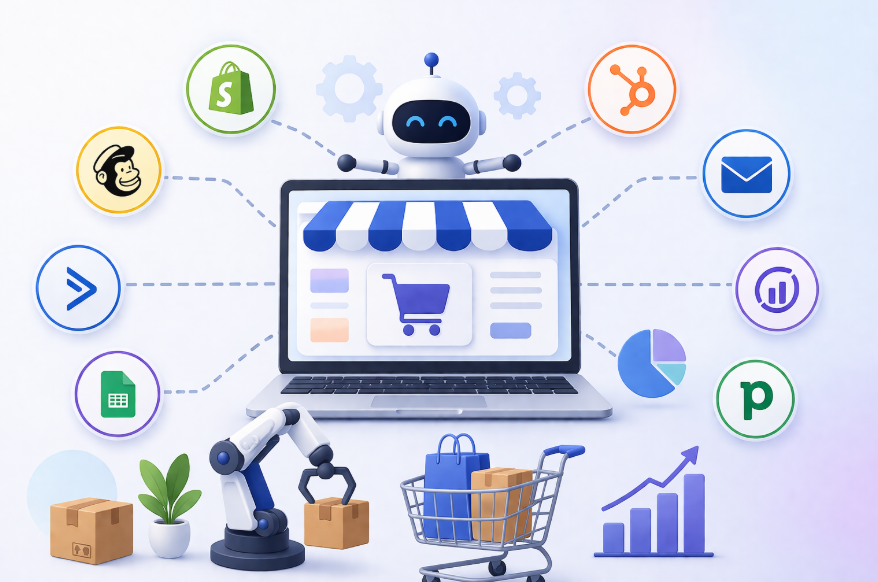
When evaluating the best ecommerce automation tools, it helps to look at exactly where they make an impact. Some handle the flashy front-end stuff, while others quietly keep your back-end logistics from falling apart. Mapping out these categories ensures you do not overpay for redundant software.
- Marketing Automation: Platforms that handle personalized email drips, SMS campaigns, and retargeting ads without you lifting a finger after the initial setup.
- Operational Hubs: The central nervous system where your whole workflow lives, drastically cutting down on human error by centralizing order data.
- Technical Standards: The real magic happens when your platforms actually talk to each other to ensure your entire tech stack works together seamlessly. Getting this right prevents data silos and lost orders.
For sellers operating several storefronts, multi channel ecommerce management can bring inventory, orders, fulfillment, and other daily workflows into a more coordinated operation.
Inventory and Listing Synchronization
This is usually the biggest headache for sellers. A major part of utilizing the best ecommerce automation tools is handling multichannel sales without accidentally selling inventory you don’t have. If you’ve ever tried juggling stock across Amazon, eBay, and a standalone site simultaneously, you know the absolute nightmare of manual updates during a holiday rush.
You need a setup that updates in real-time across every channel. This is why multichannel listing software is consistently ranked as a must-have among the best ecommerce automation tools for growing brands. It gives you:
- Real-time Sync: No more awkward “Sorry, we’re actually out of stock” emails that ruin seller feedback scores.
- Bulk Editing: Change your pricing, product descriptions, and promotional tags across every platform with just one click.
Comparison: Manual Management vs. Automated Systems
| Feature | Manual Management | Automated Platform |
| Data Entry | High (Prone to typos) | Zero (Automated via system sync) |
| Inventory Risk | High (Overselling is common) | Low (Real-time synchronization) |
| Response Time | Hours or Days | Seconds or Minutes |
| Scalability | Linear (Requires hiring more staff) | Exponential (Software handles volume) |
| Operating Cost | High (Labor intensive) | Low (Subscription based) |
Fulfillment and Shipping Automation
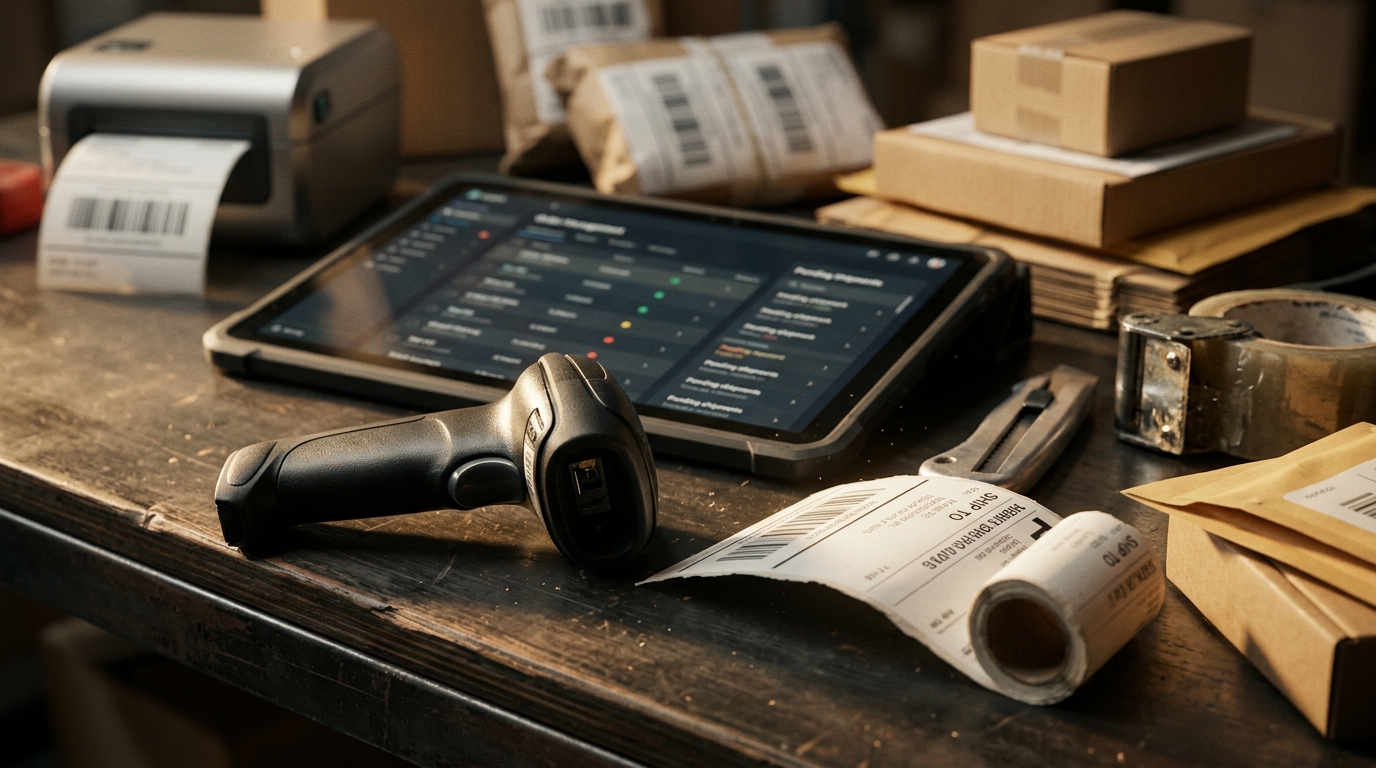
To scale seamlessly, the best ecommerce automation tools must reach all the way into the warehouse. Manually printing shipping labels, weighing individual packages, and copying tracking numbers into different marketplaces is just asking for delays. By bringing in reliable multi channel fulfilment software, you can put the entire shipping lifecycle on autopilot. For anyone trying to scale up efficiently, this integration is absolutely crucial.

Customer Support and Engagement
Do not treat automation as a “set it and forget it” trick that alienates your buyers. The best ecommerce automation tools should actually make your customers happier by providing faster service. Automated help desks and proactive shipping alerts turn a standard transaction into a loyalty-building experience. When you pull these interactions into a unified dashboard, your brand voice stays consistent.
Cost-Benefit Analysis of Automation
Yes, paying for the best ecommerce automation tools requires an upfront budget, but the return on investment is massive. Think about the time saved and the costly mistakes avoided, like paying for expedited shipping because an order was missed. Every hour you spend messing with a spreadsheet is an hour you aren’t spending on marketing.
Future-Proofing with AI
Fast forward to now, and the top-tier versions of the best ecommerce automation tools are baking AI right in. They look at your historical sales data, factor in seasonal trends, and help you make proactive purchasing decisions. This advanced forecasting is made possible through reliable API integration, ensuring your automated platforms share data effortlessly.
Conclusion
Navigating a fully automated landscape requires the best ecommerce automation tools if you want to thrive in the highly competitive 2026 market. By carefully choosing the best ecommerce automation tools for your brand, you stop playing catch-up with your daily tasks and start driving real, measurable growth.Whether you’re fixing your fragmented listings or smoothing out a clunky warehouse process, the end goal is total efficiency. Ultimately, the best ecommerce automation tools free you up to focus on the big picture while the software does the heavy lifting. Ready to see what this looks like in action and completely transform how you handle orders? Check out Crazy Vendor today to upgrade your workflow.