








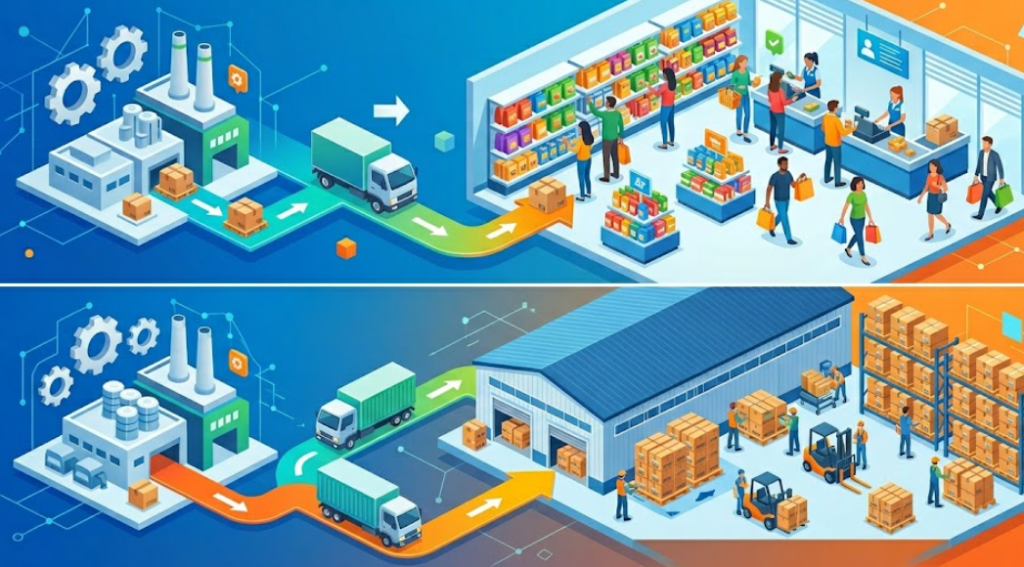
Effective inventory management is the backbone of any successful retail operation, requiring a clear understanding of how products move from production to the final consumer. When analyzing sell through vs sell in, businesses must distinguish between the volume of inventory a retailer acquires and the amount that is actually purchased by customers.
While many emerging brands focus solely on shipping units to a warehouse, seasoned merchants prioritize the data derived from their sales cycles to avoid stagnant stock. Balancing these two metrics is essential for maintaining healthy cash flow and ensuring that capital is not trapped in unsold goods. A strategic evaluation of sell through vs sell in allows e-commerce leaders to refine their procurement cycles and respond dynamically to market demand.
Defining “Sell In”: The Wholesale Stage
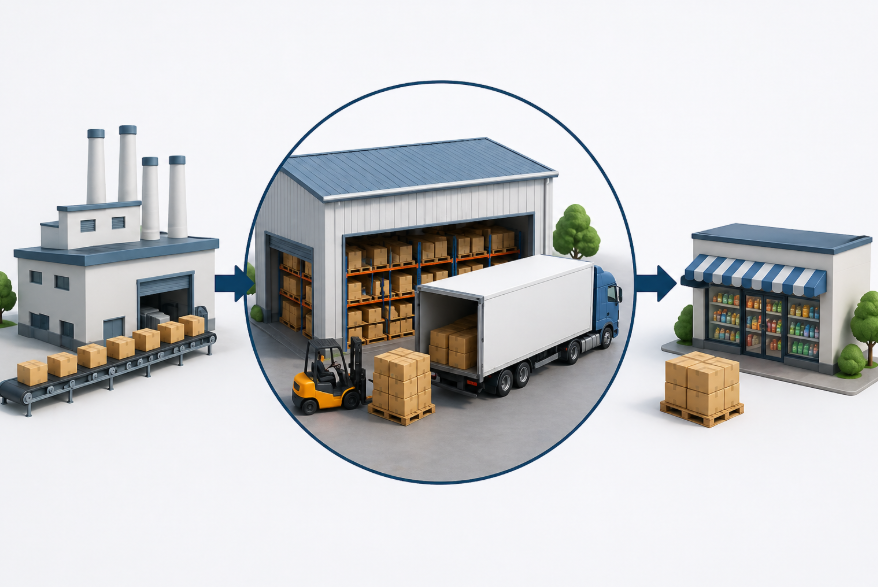
The “Sell In” phase represents the first half of the sell through vs sell in equation. It refers to the quantity of product a manufacturer or wholesaler sells to a retail partner or distributor. For brands, high “Sell In” numbers look great on initial balance sheets, but they do not account for the product’s actual popularity with the public.
- Volume Metrics: Measuring how much stock is pushed into the channel.
- B2B Focus: The relationship between the supplier and the marketplace or boutique.
Defining “Sell Through”: The Consumer Stage
The “Sell Through” side of the sell through vs sell in debate measures the percentage of received inventory that is sold to the end customer within a specific period. If you have a high “Sell In” but low movement, your product is sitting on shelves, which often leads to costly markdowns.
- Conversion Data: Tracking real-world demand and purchase intent.
- Technical Infrastructure: Modern retailers utilize Cloud Computing to sync point-of-sale data with back-end inventory logs for real-time tracking.

Comparison: Key Differences in Inventory Metrics
| Feature | Sell In (Wholesale) | Sell Through (Retail) |
| Primary Audience | Retailers/Distributors | End Consumers |
| Revenue Recognition | Often recognized at shipment | Recognized at point of purchase |
| Risk Factor | Low for the retailer initially | High if stock fails to move |
| Primary Goal | Filling the distribution channel | Clearing the shelves/inventory |
| Success Indicator | Large purchase orders | Rapid inventory turnover |
Using Data to Predict Demand
A granular look at sell through vs sell in helps businesses forecast future manufacturing needs. If the gap in metrics remains wide, it signals that the market is saturated or the price point is too high. To bridge this gap across various platforms, using multichannel listing software ensures that your products are visible where the customers are actually shopping, increasing the likelihood of a sale.
Logistics and Fulfillment Efficiency
Maintaining a healthy ratio of sell through vs sell in requires a logistics system that can pivot quickly. If a specific channel shows high consumer demand, you need to move stock to that location immediately. Implementing multi channel fulfilment software allows you to manage these shifts automatically, ensuring that high-performing regions are never out of stock. Mastering sell through vs sell in is ultimately about moving inventory to the right place at the right time.
Managing Overstock and Markdowns
When the sell through vs sell in data indicates a slowdown, proactive discounting or bundling can help clear the warehouse. With centralized inventory management, teams can identify slow-moving stock by channel and prevent excess inventory from building further. By centralizing your operations through the Crazy Vendor platform, you can adjust prices across all marketplaces simultaneously to stimulate consumer interest
Adjusting Production Cycles
By continuously monitoring sell through vs sell in, manufacturers can shorten lead times and produce only what is selling. This “Lean” approach minimizes the financial risk of a poor production ratio.
Conclusion
Understanding the nuances of sell through vs sell in is the difference between a business that scales and one that collapses under the weight of its own inventory. While “Sell In” represents your reach, “Sell Through” represents your reality.
To optimize both sides of the sell through vs sell in coin, merchants must embrace automation that provides clear, actionable data. By integrating multichannel listing and fulfillment tools, you can ensure your inventory moves through the funnel with maximum efficiency. Ultimately, a balanced approach to sell through vs sell in protects your margins and builds a more resilient brand. To see how you can unify your inventory data and master your sales velocity, explore the Crazy Vendor platform today.