








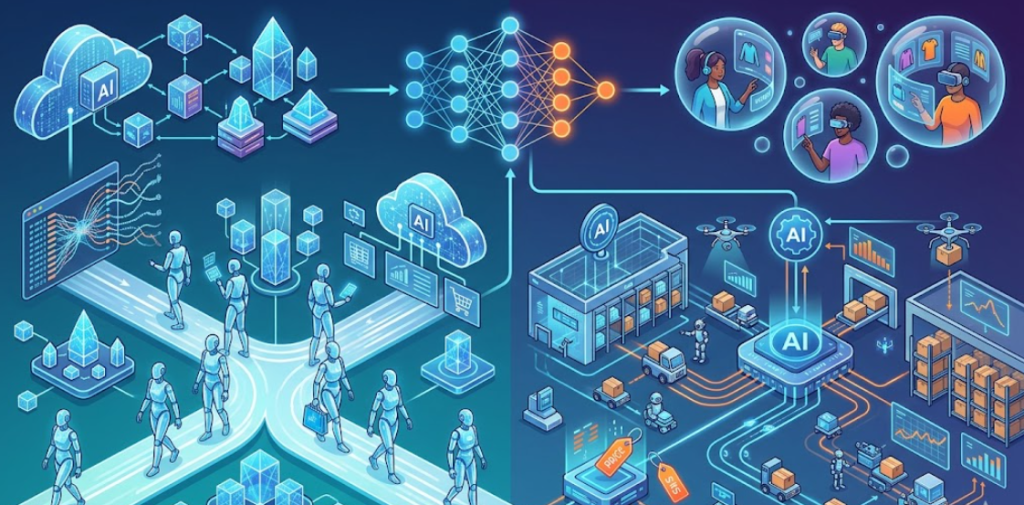
Advanced neural networks have moved beyond simple recommendations to a phase of autonomous operational execution. In 2026, the industry is defined by “Agentic Commerce,” where intelligent agents act as shoppers capable of browsing and completing transactions for consumers. This shift means retailers no longer optimize for human eyes but for machine-readable algorithms that prioritize structured data over traditional copy.
Understanding the trajectory of AI in Ecommerce is essential for brands wanting to remain discoverable in a zero-click search environment. As digital assistants take over the discovery phase, this technology becomes the primary bridge between a brand’s inventory and the customer’s final purchase decision. Successful merchants are those treating their product data as a language that these agents can speak fluently.
The Rise of Agentic Shopping Assistants
The emergence of autonomous agents is redefining how consumers interact with digital storefronts and global marketplaces. The most significant development for this technology this year is the transition from passive chatbots to active agents. These tools interpret complex natural language prompts to find specific products and have them delivered quickly. This requires a complete rethink of how we present information to ensure compatibility with agentic discovery protocols.
Autonomous Execution
Agents now utilize protocols to call merchant APIs, allowing them to compare prices and check real-time stock across thousands of vendors in milliseconds. Unlike traditional search engines that return a list of links, an agent analyzes technical specifications to ensure the product meets user-defined constraints. This autonomy means the purchase journey is compressed from hours of browsing into a single, intent-driven interaction.
To put this into perspective: instead of a human scrolling through dozens of ‘running shoe’ listings, their personal AI agent queries your store’s API directly. It verifies if you have a size 10 in stock with specific marathon-grade cushioning and checks if the delivery window aligns with the user’s upcoming race-completing the entire transaction in under 200 milliseconds. This is the difference between being ‘found’ and being ‘bought’.
Comparison: Traditional Search vs. Agentic Commerce (2026)
| Feature | Traditional Ecommerce (SEO) | Agentic Commerce (GEO) |
| Primary Audience | Human Shoppers | Autonomous AI Agents |
| Optimization Goal | Clicks and Keyword Matches | Structured Data and API Response |
| Discovery Method | Scrolling through Results | Direct Data Retrieval/Citation |
| Checkout Process | Manual Data Entry | Instant, Invisible Authorization |
For the retailer, this means your technical backend must be agent-ready. If your API cannot provide an instant response to a stock query, the agent moves to a competitor who can. This shift emphasizes maintaining a high-speed, reliable data connection between your warehouse and the global network.
Optimizing Discovery Standards for AI in Ecommerce
To thrive in this new era, brands must ensure their data is optimized for Agentic Protocols so these assistants can read their catalog accurately. This involves moving beyond marketing fluff and focusing on hard attributes such as material density and verified certifications. Agents do not get excited by catchy adjectives; they look for structured strings that match a user’s requirements.

Adhering to the technical standards defined in Agentic Commerce is a great way to ensure consistency across all platforms. When your product attributes are standardized, you reduce the noise that can lead an agent to ignore your listing. Structured data is the new SEO currency, ensuring your brand is cited as the definitive answer and building your authority in the digital space.
Smart Inventory and Demand Forecasting
Predictive logistics and intelligent stock management have become the backbone of modern global supply chain operations. On the operational side, AI in Ecommerce has perfected the art of predictive logistics. By analyzing variables from social media trends to supply chain shifts, systems predict stockouts before they happen. This allows merchants to be proactive, securing their market share through superior availability.
Dynamic Pricing and Allocation
Modern systems utilize sophisticated algorithms to adjust prices in milliseconds based on competitor movement and real-time demand. Furthermore, these tools allow for dynamic inventory allocation, moving stock across Amazon, eBay, and TikTok Shop based on where the highest sales velocity is occurring. This level of intelligence is why multichannel listing software is becoming a mandatory part of the modern merchant stack. By automating these high-frequency decisions, you free up your team to focus on brand strategy within the AI in Ecommerce ecosystem.
Risk Mitigation
High-level tools reduce the likelihood of dead stock by identifying slow-moving items early and suggesting targeted promotional campaigns. By integrating sales data with external factors like weather patterns, the system provides a comprehensive risk profile for every SKU. Predictive forecasting can cut errors by up to 50%, allowing you to maintain leaner, more efficient warehouses. Utilizing a smart system ensures your logistics are as intelligent as your marketing when implementing AI in Ecommerce strategies.
Operational Excellence Through Intelligence
Managing a brand across a dozen different international marketplaces can quickly turn into a logistical nightmare. You aren’t just selling products because you’re managing a constant flood of data from every corner of the globe. To stay sane, you need one central system that connects the dots for you.
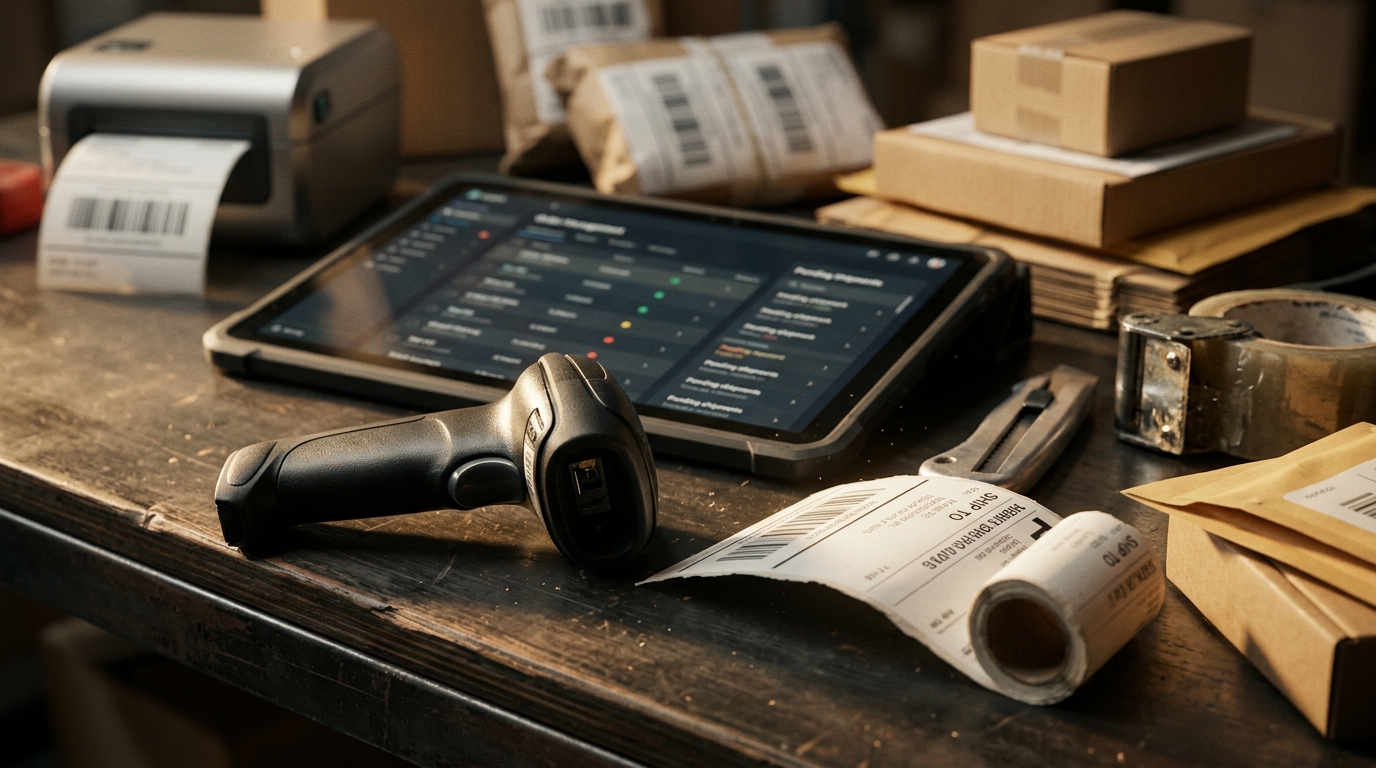
When you plug in multi channel fulfilment software, you’re essentially putting the logistics on autopilot. The smart insights from your AI in Ecommerce setup don’t just sit there. Instead, they turn into actual shipping labels and outgoing orders in real-time. It closes the gap between “making a sale” and “getting it out the door” without you having to click a thousand buttons. In a world where AI in Ecommerce is setting a lightning-fast pace, this kind of streamlined workflow is what keeps your business from falling behind.
Hyper-Personalized Customer Journeys
In 2026, every marketing email and product page is generated in real-time to match the specific browsing history and preferences of the user. When these personalized touchpoints are managed through the crazy vendor hub, the brand experience remains consistent regardless of where the customer interacts. This ensures your brand voice is never lost. Hyper-personalization builds the kind of deep loyalty that is immune to simple price-cutting from competitors who lack advanced AI in Ecommerce capabilities.
The Future of Brand Discovery
As AI in Ecommerce dominates search, traditional SEO is being replaced by Generative Engine Optimization (GEO). This involves structuring your descriptions so that AI models cite your brand as the best answer. By focusing on information density and factual accuracy, brands can secure high-authority citations within the generated responses of shopping agents. This shift from keyword density to entity-based relevance is the cornerstone of 2026 marketing.
Reducing Friction with Instant Checkout
Let’s face it, the worst part of shopping is the tedious checkout process, but “invisible checkout” is finally getting rid of that headache. Automated payment systems now let AI agents handle the boring stuff, like authorizing secure payments instantly as long as the price fits the user’s budget. It turns the entire shopping experience into something as simple as thinking of a command.

If your brand supports these instant protocols, you’re going to see those frustrating abandoned cart numbers plummet. This is commerce moving at the speed of thought, backed by a smart network that handles the technicalities. At the end of the day, making life this easy for your customers is the real test of whether your AI in Ecommerce strategy is actually
Conclusion
The evolution of AI in Ecommerce has fundamentally changed the merchant-to-customer relationship. We have moved past the era of simple search bars into an age of autonomous agents. To succeed, businesses must embrace a data-first strategy that feeds these intelligent systems. Ultimately, the future of AI in Ecommerce belongs to those who provide the most reliable data to the agents of tomorrow. To see how you can unify your data, explore the Crazy Vendor platform today.