









Smart inventory management is one of the most important systems for e-commerce businesses in 2026. With higher customer expectations, faster delivery standards, and rising storage costs, sellers need inventory workflows that reduce waste and improve profit. When operations stay organized, and data supports every decision, businesses avoid unnecessary costs and keep fulfillment smooth.
Understanding The Cost Of Waste In E-commerce Today
Waste is more than products that do not sell. It includes overbuying, poor stock control, obsolete items, slow stock turnover, high storage fees, and extra packaging. These issues drain profit and limit how fast a business can scale. In 2026, supply chains move faster, and businesses that ignore waste fall behind competitors with leaner systems.
Smart inventory management reduces these risks by helping sellers track products, control movement, and detect waste early. It keeps operations efficient, protects profit, and supports a more sustainable workflow.
The Hidden Costs of Poor Inventory Management and How to Avoid Them provides a deeper look into how inefficient inventory practices hurt business performance.
Accurate Demand Forecasting
Smart inventory management starts with accurate demand forecasting. Predicting customer demand is essential to avoid both stockouts and overstocking. Using advanced analytics, businesses can forecast demand based on historical data, market conditions, and seasonal trends. By aligning inventory with actual demand, businesses can prevent overproduction and reduce waste.
Implementing machine learning models to forecast demand further supports smart inventory management, enabling businesses to anticipate demand spikes or slowdowns in product velocity. This proactive approach minimizes storage waste and ensures products are always available when needed.
Embracing Just-in-Time (JIT) Inventory Systems
A Just In Time system helps sellers keep stock levels lean. Products arrive only when needed, which reduces holding costs and prevents goods from sitting too long in storage. This also limits excess inventory that may expire, become outdated, or require markdowns.
For JIT to work in 2026, sellers need reliable suppliers and quick communication. When shipments flow smoothly, the entire fulfillment process becomes more efficient.
Automated Inventory Tracking
Manual tracking is slow and often inaccurate. Automation is now essential for sellers who want clear visibility of stock levels across their entire business. Automated systems connect with e-commerce platforms, update stock in real time, alert sellers when items run low, and flag slow-moving products.
CrazyVendor helps sellers manage these tasks by bringing tracking, forecasting, and fulfillment tools into one dashboard. With fewer manual steps, sellers reduce human error, clean their data, and avoid costly mistakes.
Efficient Stock Rotation Techniques
Smart inventory management includes proper stock rotation so products move in the right order. Many businesses use FIFO, which ensures older inventory sells before newer arrivals. This prevents waste, especially for items with expiration dates or long storage times.
With regular audits and automated stock tracking, sellers can identify slow movers early. This improves freshness, lowers storage waste, and keeps the warehouse organized.
The Intersection of Marketing and Inventory Management delves into how aligning marketing with inventory practices can boost product turnover and help reduce waste, ensuring stock is marketed effectively.
Utilizing Data Analytics to Drive Inventory Decisions
Inventory moves faster in 2026, and data plays a major role in every decision. Sellers need to study customer behavior, product performance, and demand trends to choose the right stock levels. Good analytics prevent overstocking, identify best sellers, and reduce unnecessary purchases.
CrazyVendor’s analytics tools give sellers clear insight so they can adjust stock plans as needed. With accurate data, inventory becomes a controlled process rather than a guess.
Sustainable Packaging as Part of Inventory Strategy
Packaging is a hidden form of waste that many sellers overlook. In 2026, sustainability expectations are higher. Smart packaging reduces storage needs, cuts shipping costs, and supports eco-friendly goals. Choosing recyclable or biodegradable materials lowers waste and helps brands match what customers expect.
When inventory and packaging work together, the entire fulfillment process becomes more efficient.
Supplier Relationships For Better Inventory Flow
Establishing and maintaining strong supplier relationships is a crucial element of smart inventory management. Reliable suppliers ensure that products arrive on time, and transparent communication helps manage inventory flow without delays.
Smart systems can track supplier performance, monitor delivery schedules, and assess cost efficiency, ensuring that your supply chain runs smoothly and without interruptions. Maintaining these relationships supports a lean, waste-free inventory system that enhances your business’s operational efficiency.
Multi-Channel Inventory Visibility
Sellers who operate on Amazon, Walmart, Shopify, and Etsy need inventory that updates correctly on every channel. When systems are disconnected, overselling, stock discrepancies, and delayed fulfillment happen.
Integrating multi-channel inventory solutions, such as CrazyVendor’s centralized platform, ensures accurate stock tracking across all sales channels, reducing waste, and boosting customer satisfaction.
By synchronizing inventory across platforms, businesses maintain control over their stock levels, preventing overstocking and stockouts.
Avoiding Overstocking and Understocking
Finding the right balance between too much and too little inventory is key in 2026. Overstocking increases storage fees and ties up capital, while understocking causes missed sales and poor customer satisfaction.
Zik is one of the tools many sellers use to prevent these issues. Zik is a powerful dropshipping automation tool that helps sellers optimize inventory across multiple channels by syncing stock levels, automating order fulfillment, and forecasting demand. With its intelligent features, it minimizes the risks of surplus or shortages by ensuring timely restocking based on data-driven insights.
Smart Returns Management
Returns create unnecessary waste, but smart inventory management helps reduce that impact. A streamlined returns system helps sellers restock usable items quickly and update inventory levels accurately.
By automating returns, businesses understand why products come back and use that information to adjust stock, improve product listings, or change suppliers.
Guides like Using Customer Feedback To Improve Inventory Decisions explain how feedback helps improve product quality and demand forecasting.
Cloud-Based Inventory Solutions
Cloud tools support smart inventory management by giving sellers real time visibility, fast syncing, and easier remote access. Cloud platforms scale as the business grows and prevent downtime or data loss.
Reducing Human Error with Automation
Manual errors interrupt inventory flow and often lead to unnecessary costs. Smart inventory management reduces the risk of human error through automation.
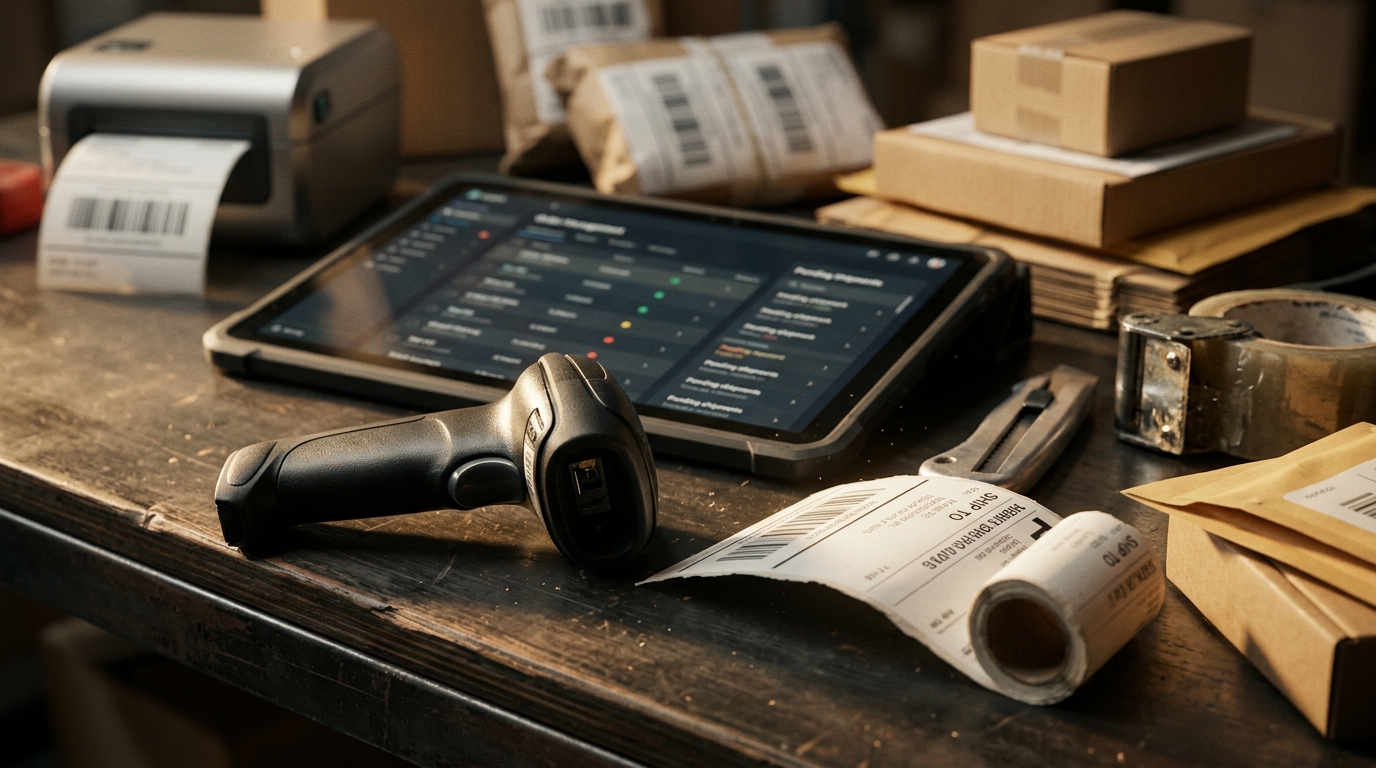
With tools like barcode scanning, RFID technology, and automated order processing, businesses can increase inventory accuracy and streamline fulfillment, ensuring that products are always where they need to be, when they need to be there.
Seasonal Inventory Planning
Every eCommerce business experiences seasonal demand fluctuations. With smart inventory management, you can prepare for peak seasons without overstocking by analyzing historical data and market forecasts.
Planning for high-demand periods, such as Black Friday or Cyber Monday, the holiday season, or the New Year sales. Accurate stock levels ensure smooth operations and reduce post-season waste.
Integrating Smart Inventory with Fulfillment Partners
Many sellers use fulfillment centers or 3PLs in 2026. Smart inventory tools integrate with these partners to keep stock levels and movement visible. This helps sellers maintain control and prevent errors even when fulfillment happens off-site.
A connected system reduces waste, improves shipping accuracy, and helps sellers scale more confidently.
Cost Savings Through Waste Reduction
The biggest advantage of smart inventory management is cost savings. By lowering excess stock, reducing storage fees, limiting markdowns, and removing outdated items, sellers save both money and space. With less waste, profit grows more predictably.
A data driven approach keeps the inventory lean, efficient, and ready for fast changes in the market.
Enhancing Customer Experience
Customers rely on accurate stock information and fast delivery. Smart inventory management supports this by preventing stockouts, reducing delays, and increasing order accuracy. Faster fulfillment builds trust and customer loyalty.
A waste-free inventory system improves both operations and customer experience.
Conclusion
Smart inventory management helps e-commerce businesses reduce waste, lower costs, and operate more efficiently in 2026. With clear data, automation, accurate forecasting, and cross-channel visibility, sellers can build stronger workflows and keep profit steady.
CrazyVendor provides the tools needed to manage inventory with confidence and scale sustainably.
You can also follow us on social media for more e-commerce insights and updates!