






In the modern digital economy, the friction between a customer and their purchase is often determined by the checkout experience. Offering a diverse range of online payment methods is no longer just a convenience; it is a critical factor in reducing cart abandonment and building global trust.
As consumer preferences shift toward digital wallets and buy-now-pay-later (BNPL) services, retailers must adapt their infrastructure to support the transaction styles of a new generation. By diversifying your checkout options, you can reach international markets that rely on localized financial networks rather than traditional credit cards.
Selecting the right mix of tools ensures that every visitor to your storefront has a viability to complete their transaction. Ultimately, your choice of financial gateways serves as the final bridge in the customer journey.
The Shift Toward Digital Wallets
The most significant trend for online payment methods in 2026 is the dominance of digital wallets like Apple Pay and Google Pay. These systems offer one-touch checkout capabilities that eliminate the need for manual data entry, which significantly boosts conversion rates on mobile devices.
- Speed of Transaction: Reduces the time from discovery to purchase.
- Enhanced Security: Wallets use Tokenization to protect sensitive financial information.
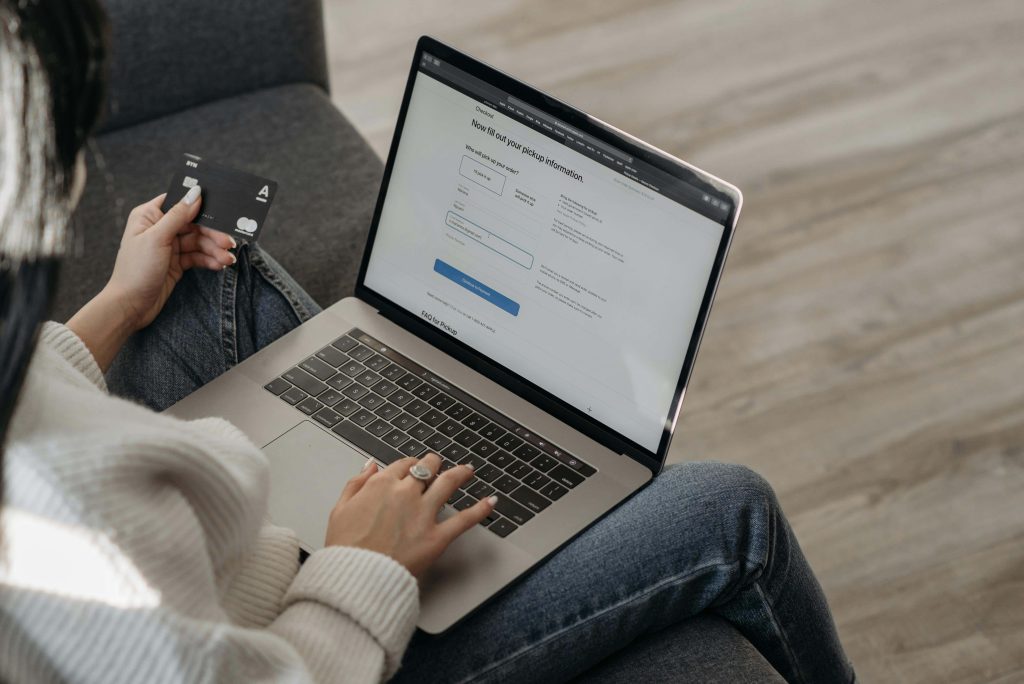
Global Accessibility and Localized Payments
If you are selling internationally, your online payment methods must reflect the local habits of your target audience. In many regions, bank transfers or local digital apps are preferred over Western credit card networks.
Integrating these online payment methods into your store allows you to scale globally without losing customers at the final stage. Using multichannel listing software helps you manage these diverse regional storefronts from a single hub.
- Currency Conversion: Automated handling of local exchange rates.
- Trust Factors: Providing familiar logos at checkout increases buyer confidence.
Comparison: Traditional vs. Modern Payment Methods
| Method Type | Examples | Primary Benefit | Security Level |
| Credit/Debit | Visa, Mastercard | Universal acceptance | High |
| Digital Wallets | Apple Pay, PayPal | One-click convenience | Very High |
| BNPL | Klarna, Afterpay | Higher average order value | Moderate |
Operational Integration and Security
In the landscape of 2026, a payment method is only as good as the system backing it. Seamless integration between your financial gateways and your operational core is vital for maintaining both speed and safety. When a transaction is processed, it must trigger a ripple effect through your inventory and fulfillment workflows without manual intervention. This synchronization doesn’t just accelerate delivery; it creates a robust security perimeter. By consolidating your payment data with your order management, you gain a high-level view that allows you to spot anomalies and prevent fraudulent chargebacks before they impact your cash flow.
Synchronizing Payments with Fulfillment
A core challenge of managing multiple online payment methods is ensuring that once a payment is authorized, the order moves instantly to the warehouse. Integrating multi channel fulfilment software ensures that the moment a transaction is cleared, the shipping process begins, preventing delays that can lead to disputes.
Protecting Against Fraud and Chargebacks
The more online payment methods you offer, the more robust your fraud detection must be. Sophisticated merchants use a centralized dashboard to monitor orders for suspicious activity across all platforms. By tracking your sales data on the Crazy Vendor platform, you can identify patterns that might indicate a high-risk transaction before you ship the product.
Future Trends in Digital Transactions
The evolution of commerce is moving toward a “frictionless” future where the boundaries between discovery and ownership continue to blur. As we look beyond 2026, the standard for online payment methods is shifting from simple card entries to immersive, identity-based experiences. We are entering an era where the transaction becomes an invisible part of the customer journey, driven by deep integration with personal tech and social ecosystems. Merchants who stay ahead of these trends aren’t just adopting new buttons at checkout-they are reimagining the entire concept of financial exchange to meet the expectations of an increasingly digital-native global audience.
The Rise of Biometric Authorization
Expect online payment methods to lean more heavily on face and fingerprint recognition to authorize high-value orders, reducing the risk of stolen card information. Incorporating these emerging online payment methods helps maintain a secure environment for high-ticket electronics and luxury goods.
Integrating Loyalty with Payments
The latest online payment methods now allow customers to apply store credit or loyalty points directly within the payment gateway, further incentivizing repeat business.
Conclusion
Selecting the appropriate online payment methods is a strategic decision that directly impacts your bottom line. By offering the specific options your customers prefer, you remove the final hurdle to a successful sale.
Ultimately, the efficiency of your financial infrastructure depends on how well it is integrated with your inventory and shipping tools. Using an all-in-one hub like crazy vendor ensures that your transactions and operations remain in perfect sync.
Once you master your strategy for online payment methods, your business will be better positioned for global growth.
Investing in modern online payment methods is an investment in the longevity of your brand.